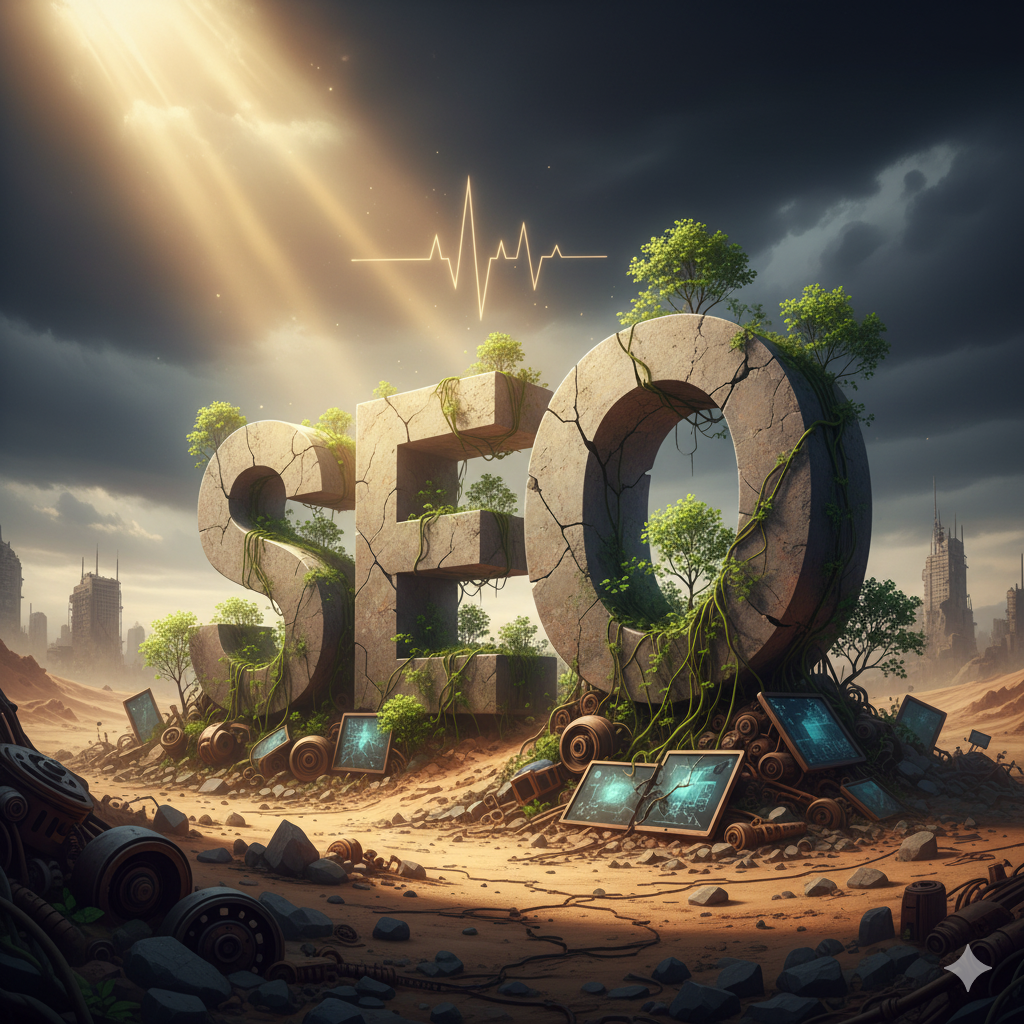

Search Engine Optimization (SEO) has been declared “dead” countless times over the years. Yet every time, it comes back stronger, smarter, and more vital to online success. In 2025, SEO is far from obsolete—it’s evolving faster than ever. Businesses that understand this evolution are the ones dominating search rankings and driving consistent traffic and conversions.
In this article, we’ll uncover why SEO remains a cornerstone of digital marketing, the myths that make people think it’s fading, and how modern SEO continues to shape the future of online visibility.
1. The Myth of SEO’s Death
The phrase “SEO is dead” often resurfaces whenever Google updates its algorithms or new technologies like AI-driven search emerge. But these changes don’t kill SEO—they redefine it.
SEO isn’t about gaming the system anymore. It’s about understanding user intent, creating valuable content, and improving website experience. Search algorithms are becoming more human-like, which means the key to ranking well is to deliver what real people actually want.
Businesses that adapt to these changes are not only surviving—they’re thriving.
2. SEO Is Evolving, Not Disappearing
The truth is that SEO has never been static. It’s an ever-changing strategy. In 2025, SEO has become more technical and user-centered than ever before. From optimizing for voice searches to ensuring fast-loading mobile pages, SEO now covers every part of a website’s ecosystem.
Modern SEO Focus Areas:
- User Experience (UX): Google now prioritizes how visitors interact with your site—speed, layout, and content clarity.
- Search Intent Optimization: Matching content to what users are truly searching for.
- AI and Machine Learning: Smarter algorithms like Google’s RankBrain and Gemini analyze user patterns better than ever.
- E-E-A-T (Experience, Expertise, Authoritativeness, Trustworthiness): Building credibility and trust with quality content.
SEO isn’t dying—it’s maturing.
Need Help With Your Marketing or Website?
Not getting enough leads or sales? Get a free consultation and discover how to improve your website and marketing.
- Find out what may be stopping visitors from contacting you
- Discover where your website or marketing could perform better
- Get clear recommendations to improve leads, calls, and conversions
3. Content Still Rules the Game
In 2025, content remains the heartbeat of SEO. The difference is how content is crafted and optimized. High-quality, engaging, and trustworthy content outperforms keyword stuffing or generic articles.
The rise of AI-generated content means human authenticity now matters even more. Google rewards brands that provide helpful, original insights over mass-produced content.
If your content answers questions, solves problems, and connects emotionally with readers, your SEO will thrive.
4. Search Engines Still Drive the Most Traffic
Despite social media and paid ads, organic search remains one of the biggest traffic sources on the internet. Statistics show that over 68% of online experiences start with a search engine.
People trust Google results. When they search for something, they’re actively looking for answers or services. That’s why SEO continues to deliver one of the highest returns on investment in digital marketing.
5. Paid Ads Can’t Replace SEO
While PPC and social media ads offer fast results, they stop the moment your budget runs out. SEO, on the other hand, builds lasting visibility.
Think of SEO as a long-term investment. Once you establish authority, your site continues to attract visitors without needing to pay for every click.
Businesses that combine SEO with paid ads see the best of both worlds—immediate traffic from ads and sustained growth from organic visibility.
6. Voice Search and AI Are Expanding SEO Opportunities
With the popularity of virtual assistants like Siri, Alexa, and Google Assistant, voice search has transformed how people find information.
This means SEO is no longer just about typing keywords—it’s about optimizing for natural, conversational language. People are asking full questions now:
- “Where can I find affordable website builders in the Philippines?”
- “What’s the best SEO strategy for small businesses?”
Optimizing for voice search and AI tools opens doors for more precise targeting and better user experiences.
7. Local SEO Is Stronger Than Ever
For small and medium-sized businesses, local SEO is a game changer. When users search “near me” or for services in their area, Google’s local algorithm determines who appears in the top 3 local pack listings.
Local SEO helps businesses:
- Show up on Google Maps.
- Get more reviews and calls.
- Build trust within their communities.
In 2025, people still prefer local recommendations. That’s why local SEO remains an unbeatable marketing strategy.
8. SEO Adapts to Every New Technology
Every time a new platform emerges—whether it’s TikTok, AI chatbots, or voice search—SEO finds a way to adapt. Search optimization isn’t limited to Google anymore. It’s everywhere.
Optimizing content for YouTube, social media, Amazon listings, or even app stores is part of modern SEO. The principles remain the same: visibility, relevance, and user experience.
SEO’s flexibility is exactly why it won’t die—it evolves with technology.
9. Data-Driven SEO Gives Businesses a Competitive Edge
Modern SEO relies heavily on analytics. Marketers now use tools like Google Search Console, Ahrefs, and SEMrush to study performance, user behavior, and competitor gaps.
By analyzing real-time data, businesses can:
- Identify which keywords bring conversions.
- Understand what content attracts the most engagement.
- Improve site structure and user navigation.
Data-driven SEO makes marketing decisions smarter, faster, and more profitable.
10. The Future of SEO Is Human-Centered
The biggest reason SEO isn’t dying anytime soon is that it’s rooted in human behavior. As long as people use search engines to find information, products, and services, SEO will stay alive.
Even as AI becomes more advanced, human curiosity and emotion will always guide how we search. SEO simply follows that journey—adapting to serve users better.
11. Why Businesses Can’t Afford to Ignore SEO
In 2025 and beyond, businesses that ignore SEO risk disappearing from digital visibility. Without SEO:
- You lose organic traffic.
- Competitors dominate your market.
- You spend more on ads with less ROI.
SEO is the foundation of every successful digital strategy. Whether you’re running an e-commerce store, a local business, or a personal brand, SEO helps people find you when they need you most.
12. How to Keep Up With SEO Changes
SEO isn’t dead—but staying ahead requires adaptability. To keep your strategy strong:
- Stay updated with Google algorithm changes.
- Focus on quality, not shortcuts.
- Optimize for both users and search engines.
- Monitor analytics and refine your approach regularly.
Consistency is key. SEO rewards persistence and effort over time.
Conclusion: SEO Is Here to Stay
The digital world keeps changing, but SEO remains its backbone. As search engines grow smarter, SEO becomes more about connecting humans with valuable, trustworthy information.
So, the next time you hear someone say “SEO is dead,” remember this: it’s not dying—it’s evolving. Businesses that embrace SEO’s evolution will continue to grow, attract leads, and dominate their online markets for years to come.