
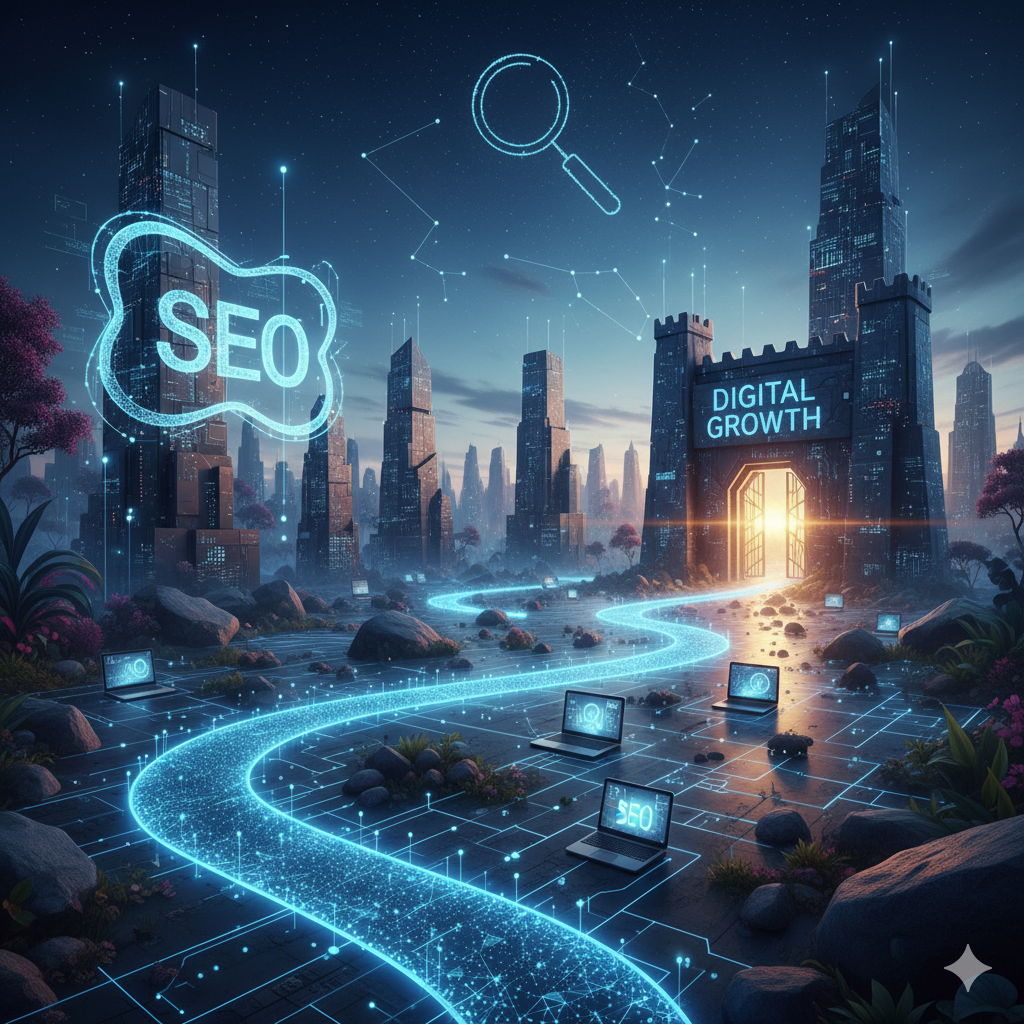

In today’s rapidly evolving digital landscape, businesses and brands must adapt to stay relevant. One of the most effective ways to do so is through Search Engine Optimization (SEO). Whether you’re a startup or an established brand, SEO is the bedrock upon which digital success is built. This powerful tool has become the driving force behind online visibility, customer acquisition, and long-term growth.
But why is SEO such an essential component of digital growth? How can businesses leverage SEO to stay competitive and boost revenue? This comprehensive guide will explore the importance of SEO in the digital world, its impact on visibility and brand authority, and actionable strategies to implement for your business.
What Is SEO and Why Does It Matter?
At its core, SEO is the process of optimizing a website to rank higher in search engine results pages (SERPs) for relevant keywords and phrases. When users search for a specific topic, product, or service, they rely on search engines like Google to provide the most relevant and trustworthy results. SEO ensures your website appears in these search results, helping drive organic traffic.
However, SEO is not just about getting your site on the first page of Google. It’s about creating a seamless, positive experience for users while also meeting the criteria search engines use to rank content. From site speed to content relevance, SEO touches every aspect of your digital presence.
The Role of SEO in Building Digital Visibility
SEO has become indispensable for businesses aiming to increase their online visibility. In fact, over 93% of online experiences begin with a search engine, and over 75% of users never scroll past the first page of search results. This highlights the importance of securing a top spot on SERPs. When users can find your website easily, they’re more likely to engage with your content, trust your brand, and eventually make a purchase.
Increased Organic Traffic: A Key to Long-Term Growth
Unlike paid advertising campaigns that require a continuous investment, SEO helps drive organic traffic to your website. With well-optimized content, your website can attract consistent visitors over time without the need for hefty ad spends. This kind of traffic is often more valuable, as organic users are typically more engaged and likely to convert into loyal customers.
How SEO Improves User Experience (UX) and Engagement
When it comes to digital growth, user experience is paramount. Search engines have evolved to prioritize websites that provide a positive user experience. This includes fast loading times, mobile responsiveness, intuitive navigation, and content that answers users’ queries effectively.
Why Search Engines Value User-Centric Websites
Google’s algorithms have increasingly focused on delivering the best possible results to users. As a result, websites that are user-friendly, mobile-responsive, and provide high-quality content tend to rank better. These elements all contribute to SEO success by not only making your site easier to navigate but also improving overall user satisfaction.
How Improved UX Leads to Higher Engagement Rates
A seamless user experience directly impacts engagement. When users find it easy to interact with your website, they spend more time browsing and exploring your offerings. This higher engagement not only builds trust with potential customers but also signals to search engines that your site is valuable, further boosting your rankings.
Need Help With Your Marketing or Website?
Not getting enough leads or sales? Get a free consultation and discover how to improve your website and marketing.
- Find out what may be stopping visitors from contacting you
- Discover where your website or marketing could perform better
- Get clear recommendations to improve leads, calls, and conversions
The Power of Quality Content: SEO’s Heartbeat
Content is king in the world of SEO. High-quality, relevant content is what drives both traffic and conversions. But it’s not just about creating content that appeals to users; it’s also about making sure it’s optimized for search engines.
Creating Content That Satisfies User Intent
To maximize your SEO efforts, it’s essential to create content that aligns with the intent of your target audience. Whether they are looking for information, a solution to a problem, or a product to purchase, your content should address their needs directly. By identifying and targeting long-tail keywords, businesses can attract more specific, highly-engaged users who are ready to convert.
The Importance of Keyword Research in Content Strategy
Effective keyword research is at the foundation of every successful SEO strategy. Understanding what terms and phrases your audience is searching for allows you to tailor your content accordingly. This helps you rank higher for relevant searches, ensuring your content reaches the right people at the right time.
Local SEO: Expanding Reach in Local Markets
For businesses targeting local customers, Local SEO is an invaluable tool. By optimizing your website for local searches, you can attract more customers in your geographical area. This is especially crucial for businesses with physical locations, such as retail stores, restaurants, and service providers.
Claiming Your Google My Business Listing
One of the first steps to improving your Local SEO is claiming and optimizing your Google My Business (GMB) listing. This free tool allows your business to appear in Google’s local search results and Google Maps. By keeping your GMB profile up-to-date with accurate business information, you increase your chances of attracting local customers who are ready to make a purchase.
Link Building: Enhancing Your Website’s Authority
Link building is one of the most effective off-page SEO strategies. When other reputable websites link to your content, search engines view this as a vote of confidence in your website’s authority and relevance. As a result, your website's ranking can improve, helping you attract more traffic and establish credibility in your industry.
Developing a Strong Backlink Strategy
The quality of backlinks is more important than the quantity. Gaining backlinks from high-authority websites in your niche signals to Google that your content is trustworthy and valuable. To build a successful backlink strategy, focus on creating shareable content, reaching out to industry influencers, and leveraging guest posting opportunities.
The Analytics Behind SEO: Measuring Success
No SEO strategy is complete without measurement. Tracking key performance indicators (KPIs) like organic traffic, bounce rate, average session duration, and conversion rates will help you understand the effectiveness of your SEO efforts. Tools like Google Analytics and Google Search Console provide valuable insights into how users are interacting with your site, which can inform future optimizations.
Adapting and Evolving SEO Strategies Based on Data
SEO is not a one-time effort; it’s an ongoing process. By continuously monitoring your site’s performance and analyzing data, you can identify areas for improvement and adapt your strategy accordingly. This iterative approach ensures that your website remains competitive and continues to grow over time.
Future-Proofing Your Digital Strategy with SEO
SEO is not just a short-term tactic; it’s a long-term investment. As search engines continue to evolve, businesses must adapt to new trends, algorithm updates, and user behaviors. For example, the rise of voice search, artificial intelligence, and mobile-first indexing all have significant implications for SEO.
The Importance of Staying Updated on SEO Trends
To stay ahead of the curve, businesses must stay informed about the latest SEO trends and updates. Subscribing to industry blogs, attending webinars, and joining SEO communities can help you keep your strategy up-to-date and ensure your digital growth remains on track.
Conclusion: SEO as the Foundation for Digital Growth
SEO is the lifeblood of digital growth. Without it, your business risks getting lost in the crowded digital landscape. By prioritizing SEO, you not only improve your website’s visibility and engagement but also build a strong foundation for long-term success. Whether you’re focusing on content creation, user experience, or technical SEO, every aspect of your online presence plays a crucial role in your growth journey.
Implementing SEO strategies is not a one-size-fits-all approach—it requires constant monitoring, adjustments, and innovation. But with the right tactics, SEO can propel your brand to new heights, ensuring that your business thrives in the competitive world of digital marketing.