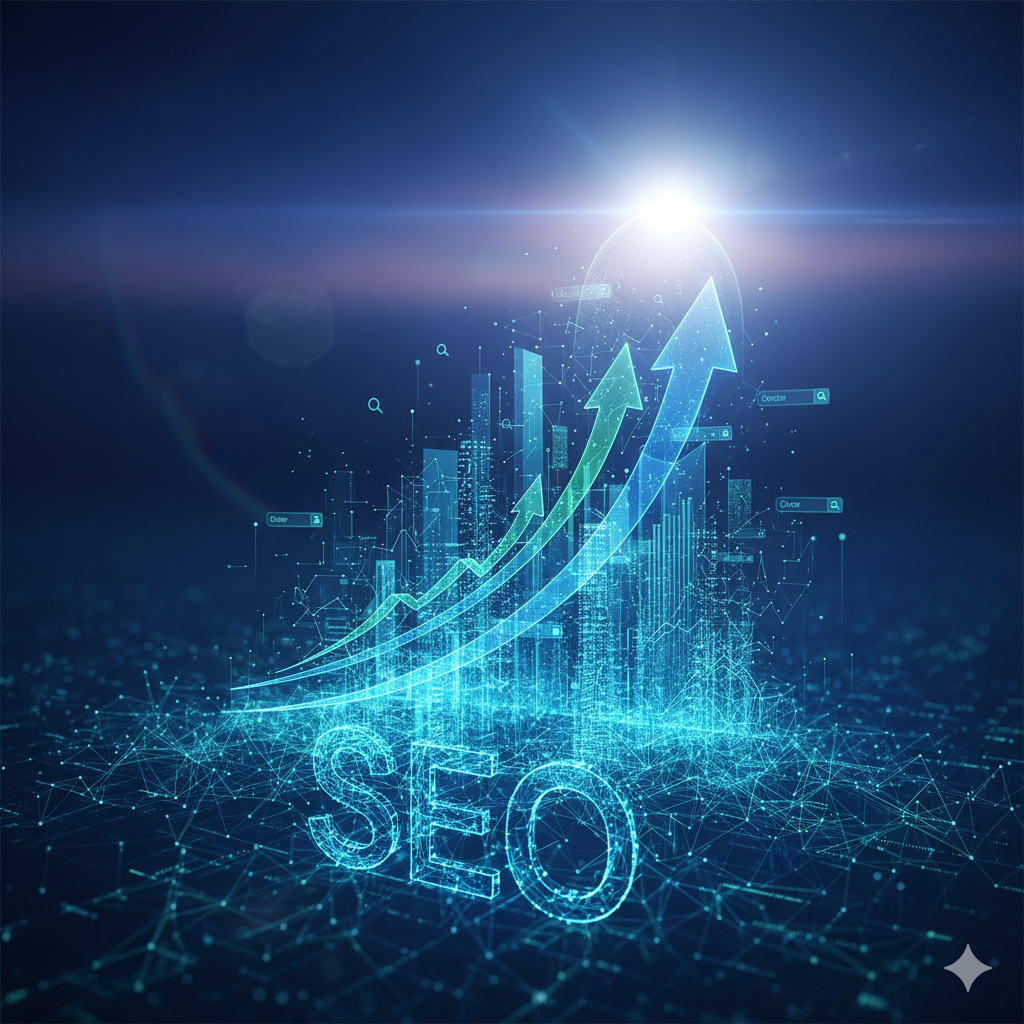

In today’s fast-paced digital world, simply having a website or an online presence isn't enough to ensure success. Whether you're running an e-commerce store, a personal blog, or a corporate website, the primary goal is to drive traffic, attract potential customers, and convert them into loyal clients. But how do you get noticed in a sea of websites competing for attention? The answer lies in one powerful tool: SEO (Search Engine Optimization).
Need Help With Your Marketing or Website?
Not getting enough leads or sales? Get a free consultation and discover how to improve your website and marketing.
- Find out what may be stopping visitors from contacting you
- Discover where your website or marketing could perform better
- Get clear recommendations to improve leads, calls, and conversions
SEO is the unsung hero of online growth. It’s the process of optimizing your website to rank higher in search engine results pages (SERPs) for relevant keywords and phrases. While there are other strategies to grow an online business, SEO remains the most sustainable, cost-effective, and impactful approach. If you’re wondering why SEO should be the foundation of your online strategy, here’s why.
1. SEO Drives Organic Traffic – The Lifeblood of Your Website
One of the primary reasons SEO is crucial for online growth is because it drives organic traffic. Organic traffic refers to visitors who land on your website through unpaid search engine results. These visitors are typically looking for something specific, which means they are often more engaged and likely to convert.
When your website ranks high for the right keywords, you get more exposure to potential customers actively searching for the products or services you offer. This isn’t just about getting any traffic; it’s about attracting qualified traffic that has a higher chance of converting into sales.
2. SEO Builds Credibility and Trust With Your Audience
Trust is the cornerstone of any successful online business. Users are more likely to trust and engage with websites that appear on the first page of search results. In fact, research shows that 75% of users never scroll past the first page of search engine results.
By implementing SEO best practices, your website can rank higher for relevant searches, which builds authority and trust with your audience. Google and other search engines use complex algorithms to determine which websites are trustworthy and reliable. By optimizing your website’s content, structure, and backlinks, you increase your chances of ranking higher, signaling to users that your website is a credible source of information.
3. SEO Delivers Long-Term Results – More Bang for Your Buck
Unlike paid advertising, where your ads stop showing once your budget runs out, SEO offers long-term results that continue to benefit you even after your efforts. Once you rank for a specific keyword or phrase, you’ll continue to receive traffic from that search query without having to pay for every click.
SEO is an ongoing process, but the long-term benefits make it an invaluable investment. It requires patience and consistency, but the reward is sustained organic traffic, increased brand visibility, and a steady flow of leads that won't disappear once your ad budget does.
4. SEO Enhances User Experience (UX) and Website Usability
Search engines like Google are increasingly focused on user experience (UX). Websites that offer fast loading times, mobile responsiveness, and a clear site structure are more likely to rank higher. SEO isn’t just about keywords; it’s about improving the overall experience for your users.
A website that is easy to navigate, has clear calls to action, and loads quickly is more likely to keep visitors engaged, which reduces your bounce rate and improves conversion rates. As a result, SEO and UX go hand in hand—optimizing your website for both search engines and users ensures that you’re meeting the needs of both.
5. SEO Enables Targeted Marketing – Reach Your Ideal Audience
One of the most powerful aspects of SEO is its ability to help you target the right audience. With paid ads, you can target specific demographics, but with SEO, you can target people who are actively searching for your services or products. By optimizing your website with long-tail keywords and other SEO strategies, you ensure that your content reaches people who are most likely to benefit from what you offer.
For instance, if you're an online fitness coach, you might optimize your website for keywords like “best online fitness coach for beginners” or “online fitness coaching for weight loss.” This way, your content speaks directly to individuals who need your services, increasing your chances of converting those visitors into clients.
6. SEO Provides Valuable Insights Into Your Audience and Industry Trends
SEO tools like Google Analytics, SEMrush, and Ahrefs provide valuable data that can inform your overall marketing strategy. These tools give you insights into which keywords are driving traffic to your website, how visitors are interacting with your content, and where you can improve.
By regularly analyzing this data, you can make informed decisions about your content strategy, keyword targeting, and even product development. SEO doesn’t just help you get traffic—it helps you understand your audience and adapt to their needs.
7. Local SEO Is Crucial for Business Growth
For businesses with a physical presence or those targeting local customers, Local SEO is a game-changer. Local SEO optimizes your website for location-based searches, helping you connect with people in your area. For instance, if someone searches for “best coffee shop near me,” your business could appear in the search results if you’ve implemented the right local SEO strategies.
Claiming and optimizing your Google My Business profile, using location-specific keywords, and gathering local reviews can significantly improve your visibility in local search results. This is crucial for small businesses looking to grow their customer base and build a strong local presence.
8. SEO Is Cost-Effective and Offers a Higher ROI Than Paid Ads
While pay-per-click (PPC) advertising can deliver immediate results, it often comes with a high price tag. SEO, on the other hand, offers a much higher ROI (Return on Investment) over the long term. While it may take time to see results, the investment in SEO is worth it because it attracts organic traffic that doesn’t require ongoing payment for clicks.
Over time, SEO helps you build a solid foundation for your online presence, creating a continuous stream of leads and sales without the constant need to fund paid ads.
9. SEO Helps You Stay Ahead of the Competition
In today’s highly competitive online market, SEO is one of the few strategies that can help you stay ahead of the competition. As more and more businesses invest in SEO, those who neglect it risk falling behind. By continually optimizing your website and adapting to the latest SEO trends, you can stay competitive and ensure that your website ranks above your competitors in the search results.
10. SEO Helps You Track Performance and Measure Success
One of the greatest benefits of SEO is its ability to be measurable. With tools like Google Analytics, you can track the success of your SEO campaigns in real time. You can see which keywords are driving traffic, how visitors are interacting with your content, and which areas of your website need improvement.
This data allows you to fine-tune your SEO efforts to achieve better results over time, ensuring that your online growth remains consistent and effective.
Conclusion: SEO Is the Backbone of Online Success
In an increasingly digital world, SEO is the foundation of your online growth. It’s not just about improving search rankings; it’s about driving targeted traffic, building trust, enhancing user experience, and ultimately, growing your business sustainably.
Whether you're just starting out or looking to scale, prioritizing SEO will give you the competitive edge you need to succeed online. Start optimizing your website today and watch your online presence grow!