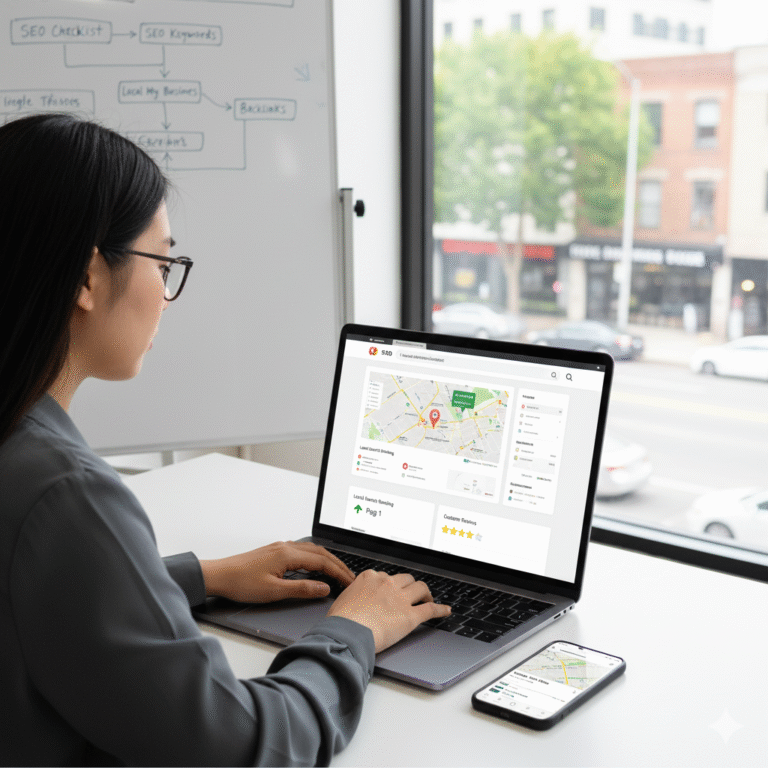

In the ever-evolving digital landscape, businesses need more than just a website to succeed. They need to ensure that their online presence is visible and relevant to the right audience. One of the most effective ways to achieve this is through Local SEO. If you’ve ever wondered why Local SEO is crucial for business growth, you’re not alone. Many businesses overlook the power of optimizing for local search results, yet it can be the key to skyrocketing visibility, driving foot traffic, and ultimately, increasing revenue.
In this blog post, we will dive into the importance of Local SEO, explore its benefits, and highlight why it should be an integral part of your digital marketing strategy.
What is Local SEO? The Basics Explained
Before we dive into why Local SEO is important, let’s define what it is. Local SEO refers to the process of optimizing your website and online presence to rank higher in search results for geographically-specific queries. This type of SEO focuses on improving visibility in local search results, which is particularly important for businesses that operate in a specific location or region.
For example, if you own a coffee shop in Los Angeles, you want to show up when someone types "best coffee near me" or "coffee shops in Los Angeles." Local SEO ensures that when potential customers search for services or products in your area, they’ll find your business.
Why is Local SEO So Important for Business Growth?
In today’s highly competitive digital landscape, standing out in your local area is more important than ever. Here are some reasons why Local SEO is essential for business growth:
1. Increased Online Visibility & Local Reach
Local SEO helps your business show up on the map when people search for services or products that you offer, especially when they are nearby. When people use search engines like Google to find a nearby business, they often see results based on proximity, reviews, and relevance. Optimizing your site for local search allows your business to be discovered by those in your area, making it more likely for them to engage with your services.
2. More Targeted Traffic = More Conversions
When you optimize for local SEO, you’re attracting highly targeted traffic. Local search queries often indicate a more immediate intention to purchase or visit a store. For example, someone searching for “plumbers near me” is likely in urgent need of a plumber. By showing up for these types of searches, you can engage visitors who are ready to convert.
Targeted traffic is essential for driving more leads and conversions, which leads to increased sales and revenue.
3. Improved Google My Business (GMB) Ranking
Google My Business (GMB) is a powerful tool that helps businesses show up on Google’s local map pack. Optimizing your GMB profile is one of the most effective ways to improve local SEO. When people search for services in your area, your GMB listing provides key information such as your business hours, location, and customer reviews. A well-optimized GMB profile helps you stand out in search results and build trust with potential customers.
4. Mobile Optimization for Local Searches
With the rise of smartphones, more and more people are conducting searches on the go. According to recent data, over 50% of all searches are now made from mobile devices. This trend is even more pronounced for local searches, as people frequently use their phones to find nearby businesses. Local SEO ensures that your website is mobile-friendly and optimized for mobile search results, helping you capture the attention of on-the-go users.
5. Building Trust & Credibility
Local SEO is a great way to build trust with your audience. Reviews and ratings on platforms like Google, Yelp, and Facebook not only improve your SEO rankings but also provide social proof of your business’s credibility. Potential customers are more likely to choose a business that has positive reviews and high ratings. By actively managing your reviews and responding to customer feedback, you can foster trust and encourage more conversions.
6. Cost-Effective Marketing Strategy
Compared to traditional advertising methods, such as TV, radio, or print ads, Local SEO is a much more cost-effective marketing strategy. Once optimized, it provides ongoing benefits without the need for continuous spending. Investing time and effort into Local SEO can yield long-term results, driving organic traffic and reducing your need to spend money on paid ads.
7. Stay Ahead of Competitors
In a competitive market, businesses that neglect Local SEO risk losing out to competitors who are optimizing their online presence for local search. By implementing an effective local SEO strategy, you gain a competitive edge. Ensuring your business is visible when customers search for your services is crucial in maintaining a competitive advantage.
Need Help With Your Marketing or Website?
Not getting enough leads or sales? Get a free consultation and discover how to improve your website and marketing.
- Find out what may be stopping visitors from contacting you
- Discover where your website or marketing could perform better
- Get clear recommendations to improve leads, calls, and conversions
How to Optimize Your Website for Local SEO: Key Strategies
Now that we’ve established why Local SEO is important, let’s take a look at how to optimize your website for local search.
1. Optimize Your Google My Business Listing
Your Google My Business (GMB) profile is a key component of local SEO. Ensure that your business name, address, phone number (NAP), and hours of operation are accurate and consistent across all online platforms. Include high-quality images of your business, and encourage customers to leave reviews.
2. Use Local Keywords
Incorporate local keywords into your website content, meta descriptions, and titles. For example, if you’re a dentist in San Francisco, include keywords like “San Francisco dentist,” “dentist near me,” and “best dentist in San Francisco.” This helps search engines understand your location and relevance to users in your area.
3. Create Local Content
Create content that speaks to the local community. Write blog posts about local events, collaborations with other local businesses, or topics that are relevant to your area. This helps you connect with your audience while boosting your local SEO rankings.
4. Optimize for Mobile Devices
As mobile search continues to rise, having a mobile-friendly website is crucial. Ensure your website is responsive, loads quickly, and provides a seamless experience for mobile users.
5. Get Listed in Local Directories
In addition to Google My Business, getting listed in local directories such as Yelp, Yellow Pages, and other regional business directories can improve your local SEO. These listings act as additional signals to search engines about your business’s legitimacy and location.
6. Encourage Reviews and Respond to Them
Customer reviews are an essential part of local SEO. Encourage your satisfied customers to leave reviews on Google, Yelp, and other platforms. Responding to reviews, whether positive or negative, shows that you value customer feedback and are actively engaged with your audience.
The Impact of Local SEO on Small and Medium-Sized Businesses
Local SEO is particularly beneficial for small and medium-sized businesses (SMBs) that rely on a local customer base. With a strong local SEO strategy, SMBs can compete with larger corporations by driving highly targeted traffic to their websites and physical locations. This increased visibility can lead to more foot traffic, phone calls, and inquiries, ultimately resulting in higher revenue and growth.
Conclusion: Invest in Local SEO for Long-Term Business Success
In summary, Local SEO is a critical tool for driving growth and enhancing your online presence. It increases visibility, brings in more targeted traffic, improves your credibility, and helps you stay ahead of competitors. Whether you’re a local coffee shop, law firm, or service-based business, optimizing for local search can help you attract the right customers, build trust, and increase conversions.
If you haven’t yet implemented a local SEO strategy for your business, now is the time to start. By taking the steps to optimize your website and online presence, you’ll set your business up for long-term success and continued growth.