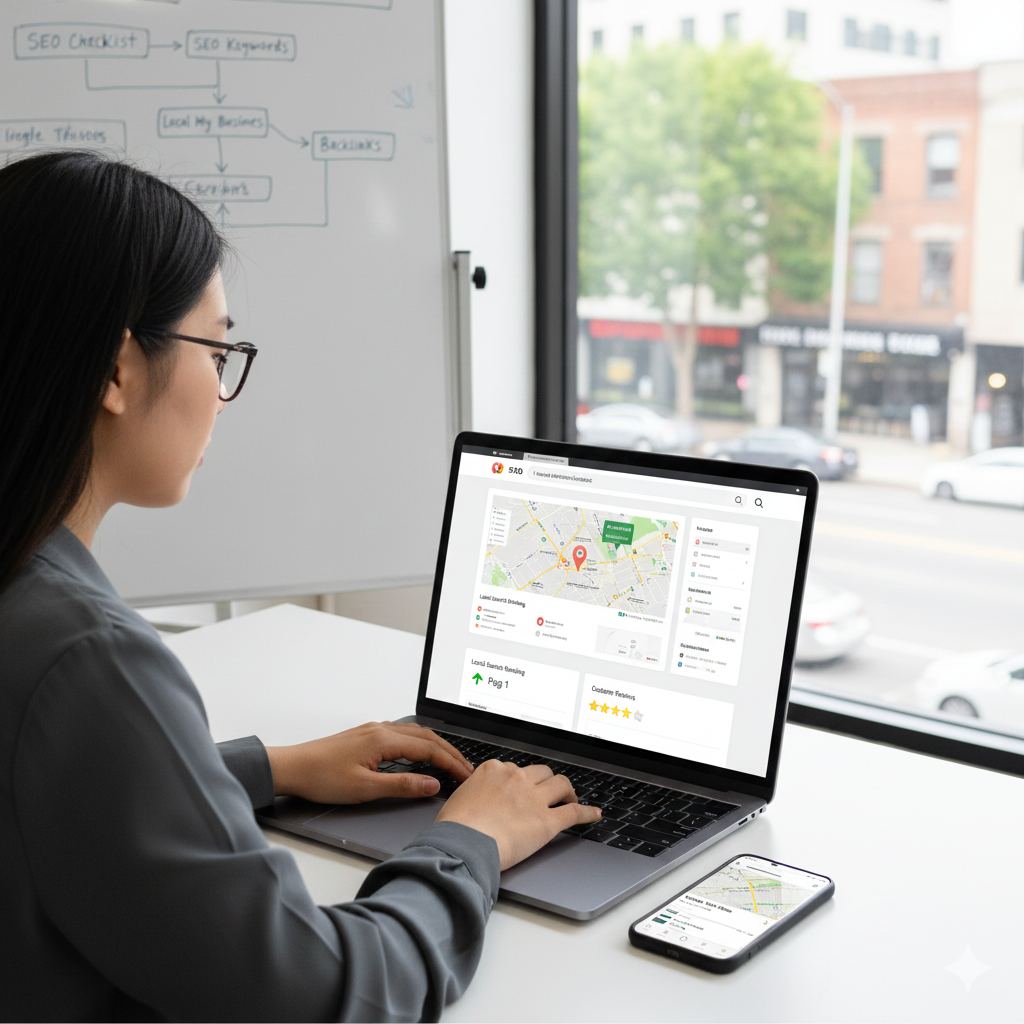

When people search online for nearby services or local businesses, they usually make quick decisions based on what they see on the first page of Google. Whether someone is searching for “best coffee shop near me” or “emergency plumber in my city,” your business needs to appear where your customers are looking. That’s exactly why optimizing your website for local search results is no longer optional—it’s essential for competing in today’s digital landscape.
Local SEO has evolved dramatically in recent years. Google’s algorithm updates now prioritize user intent, proximity, and real-world credibility. This means your website must be optimized not only for keywords, but also for user experience, local relevance, and brand trust. In this detailed guide, you’ll learn how to optimize your website for local search in a practical, step-by-step way—without relying on shortcuts that no longer work.
Why Local SEO Matters More Than Ever
Local SEO influences how easily potential customers find your business online when they’re ready to make a purchase. Here’s why it matters:
- 46% of all Google searches have local intent
- 78% of local mobile searches result in a purchase within 24 hours
- Google’s local pack appears above organic results in most local searches
If your business isn’t optimized for local search, you’re leaving a massive amount of revenue on the table.
1. Conduct Local Keyword Research With Real Search Intent
High-quality local SEO begins with understanding what your local customers are searching for. Long-tail, local-intent keywords drive highly targeted traffic, especially for service-based businesses.
How to find local search keywords
- Look for location-based phrases like:
- “near me” keywords
- “[service] in [city]”
- “[business type] open now”
- Use keyword tools such as Google Keyword Planner, Ubersuggest, or Semrush.
- Study competitors already ranking in your area.
- Consider seasonal and hyperlocal intent (neighborhoods, landmarks, ZIP codes).
Examples of long-tail local keywords
- “affordable home cleaning services in west Chicago”
- “best family dentist near Houston Galleria”
- “24/7 emergency plumber in north Tampa”
Optimizing for these long-tail phrases helps your site appear in searches with high buying intent.
2. Optimize Your Google Business Profile (Your #1 Local SEO Asset)
Your Google Business Profile (formerly Google My Business) heavily influences your visibility in Google Maps and the local pack. A fully optimized profile often leads to more calls, website clicks, and in-person visits.
Key steps to improve your Google Business Profile
- Use your exact business name (no keyword stuffing).
- Choose the most accurate business categories.
- Write a complete, engaging business description.
- Add high-quality images and videos showcasing your products, services, and location.
- Keep your hours updated, including holiday hours.
- Regularly publish Google Posts.
- Encourage and respond to customer reviews.
A well-maintained GBP builds trust with both potential customers and Google’s algorithm.
3. Optimize Your Website for Local Search On-Page SEO
Every page on your site should clearly signal your geographic relevance. This helps Google understand where your business operates and what services you provide.
Essential on-page optimization steps
- Include the city and service keyword in your title tags.
- Add local terms naturally throughout your headings and body content.
- Embed a Google Map on your contact page.
- Use schema markup to highlight your business name, address, phone, and hours.
- Create location-specific service pages if you serve multiple cities.
Example of an optimized title tag:
“Professional Roof Repair in Austin, TX | Same-Day Local Roofing Services”
4. Build High-Quality Local Backlinks and Citations
Local citations and backlinks act as trust signals that verify your business is legitimate and relevant to your region.
Where to get local citations
- Local business directories
- Chamber of Commerce listings
- Business association websites
- Local blogs and news outlets
- Industry-specific directories
Types of powerful local backlinks
- Sponsorships of local events or sports teams
- Guest posts on community blogs
- Local partnerships and collaborations
- Press releases about business milestones
Strong citations and backlinks help boost your domain authority and local relevance.
5. Create City-Targeted Content That Reflects Your Local Expertise
Google rewards businesses that demonstrate deep local expertise. Publishing locally relevant content helps build your authority and strengthens your connection to local audiences.
Examples of location-focused content
- City landing pages
- Local buyer guides
- “Best of” lists (restaurants, services, etc.)
- Neighborhood service area pages
- Blog posts about local events, laws, and trends
Example article:
“How to Choose the Right Electrician in Downtown San Diego”
This type of content positions your brand as a go-to expert in your region.
6. Improve Website Speed, Mobile-Friendliness, and User Experience
Local customers often browse on mobile devices while on the go. That means your site must load quickly and provide a seamless experience.
Local SEO-friendly UX improvements
- Ensure your site loads in under 3 seconds.
- Use a clean, mobile-responsive design.
- Place your phone number clickable at the top of your site.
- Add clear service descriptions and pricing.
- Include real photos of your business, staff, or location.
- Add FAQs that match local search queries.
A strong user experience improves dwell time and lowers bounce rates—which boosts rankings.
7. Encourage Customer Reviews and Build Online Reputation
Online reviews are a major ranking factor in Google’s local algorithm. More importantly, they strongly influence purchasing decisions.
Tips for review generation
- Ask customers immediately after a purchase or service.
- Provide a direct link to your reviews page.
- Respond to reviews professionally and quickly.
- Handle negative reviews calmly and constructively.
- Highlight positive reviews on your website.
The more authentic reviews your business receives, the more trustworthy it appears.
8. Use Local Business Schema to Strengthen Search Engine Signals
Schema markup helps search engines better understand the details of your business. When properly implemented, it improves search visibility and enhances how your business appears in rich results.
Local schema types to include
- LocalBusiness
- Organization
- Product
- FAQ
- Events (if applicable)
Schema is a behind-the-scenes boost that can improve both click-through rates and ranking clarity.
9. Optimize for Voice Search and “Near Me” Queries
Voice search continues to grow, especially for local queries. People often ask voice assistants questions like:
- “Where’s the nearest pizza restaurant?”
- “Find a 24-hour locksmith near me.”
- “Who is the best hair salon in my area?”
How to optimize for voice search
- Write content in natural, conversational language.
- Add FAQ sections targeting common voice questions.
- Include long-tail local keywords with “near me” intent.
- Maintain accurate Google Business Profile data.
Voice search optimization helps capture on-the-go customers with urgent needs.
10. Track Local SEO Performance and Adjust Regularly
Local SEO is not a one-time task—it requires ongoing monitoring and optimization.
What to track
- Local keyword ranking positions
- Google Maps visibility
- Website traffic from local searches
- Conversions: calls, direction requests, form submissions
- Customer reviews and ratings
- Competitor performance
Regular analysis helps you stay ahead of search algorithm changes and local competitors.
Final Thoughts: Dominate Local Search by Being Locally Relevant
Optimizing your website for local search results is about more than keywords—it’s about proving your business is the most trustworthy, relevant, and reliable choice in your area. When you combine strong on-page SEO, optimized Google Business Profile data, high-quality local content, and excellent customer experience, you create a local SEO strategy that delivers long-term results.
If you follow the steps in this guide consistently, your visibility will improve, your organic traffic will grow, and your business will stand out above the competition—exactly where your customers are searching.