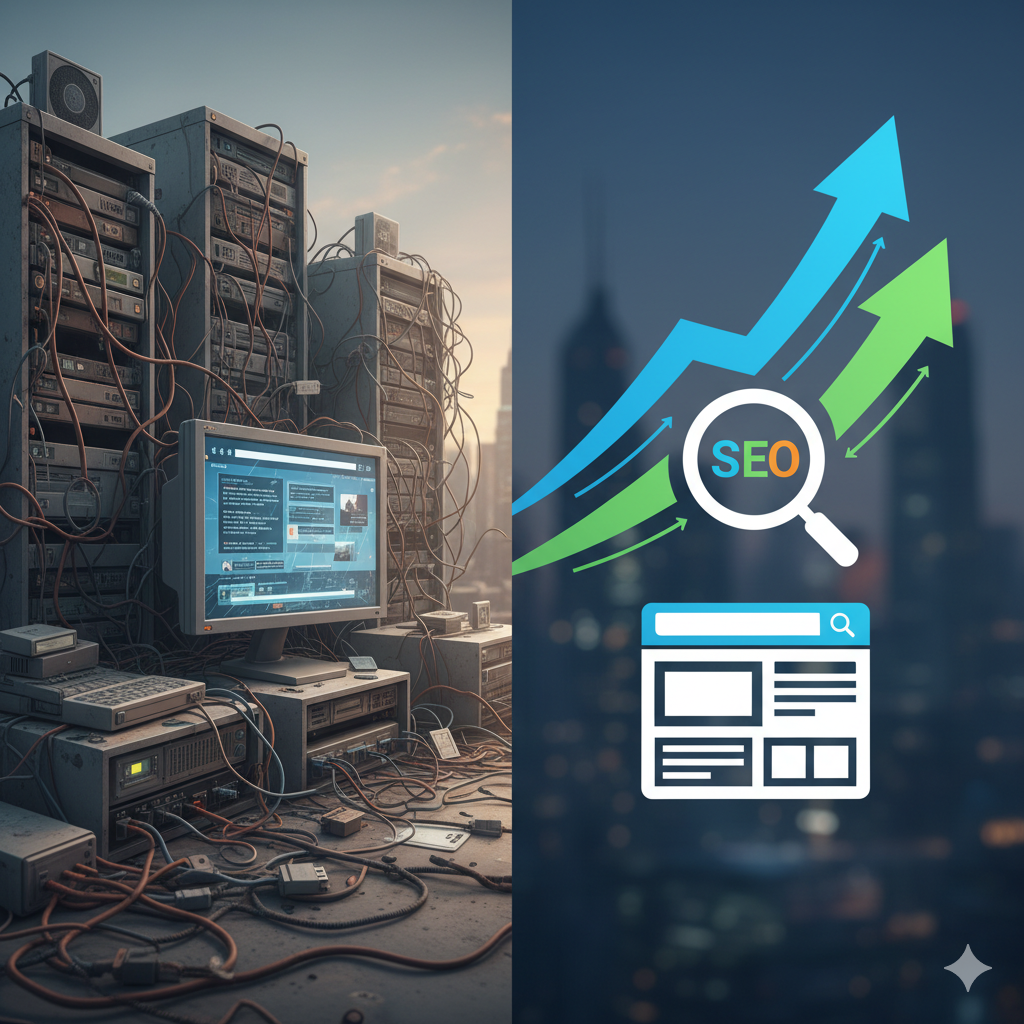

Website redesigns are exciting milestones for businesses looking to enhance their digital presence. Whether you're giving your site a fresh look or improving its functionality, a redesign often involves more than just aesthetics. It's an opportunity to refine user experience (UX), improve site speed, and optimize for conversions. However, one crucial element often overlooked in the redesign process is SEO (Search Engine Optimization).
SEO is not just about keyword research or on-page tactics—it’s about making sure your site is discoverable, fast, mobile-friendly, and offering value to both users and search engines. If you don’t have a solid SEO strategy in place when redesigning your website, all the hard work you put into design and development might go to waste.
Here’s why every redesign needs a strategic approach to SEO and how to ensure you’re not only enhancing your site’s aesthetics but also its discoverability and search rankings.
1. The Importance of SEO During a Website Redesign
SEO plays a critical role in the performance of a website, and a redesign offers a chance to improve it. Without incorporating SEO, your redesign could end up negatively impacting your search engine rankings, potentially driving away traffic that you’ve worked hard to earn.
Why SEO Matters More Than Ever
- Search Visibility: If you want to drive organic traffic to your website, SEO is key. Without optimizing for search engines, you could lose valuable traffic.
- User Experience (UX): Good SEO isn’t just about ranking—it’s about making the site user-friendly. Search engines like Google favor sites that provide positive UX signals, such as fast load times, intuitive navigation, and mobile optimization.
- Revenue Impact: SEO is one of the most cost-effective ways to drive traffic. A well-optimized site ranks higher in search engines, leading to more visitors and potentially more conversions.
When redesigning a website, it’s critical to integrate SEO elements from the start rather than trying to "fix" issues afterward.
2. Avoiding the Mistakes of SEO After the Redesign
After a redesign, many businesses make the mistake of thinking SEO is something that can be “tacked on” after the new site is live. In reality, integrating SEO best practices throughout the entire redesign process will ensure long-term success.
Common SEO Mistakes During Website Redesign
- Ignoring Page Redirection: A redesign often means changes to the URL structure. Forgetting to set up proper redirects (301 redirects) could result in broken links, loss of traffic, and a significant drop in search rankings.
- Forgetting Content Optimization: Just because the site looks beautiful doesn’t mean it’s optimized for the keywords and topics your audience is searching for. SEO content optimization should be a priority, even during the redesign.
- Skipping Technical SEO Elements: Technical SEO includes elements like site speed, mobile responsiveness, schema markup, and ensuring that search engines can crawl and index your site properly. These should be checked before and after the redesign.
SEO is an ongoing process, and it’s crucial to ensure that SEO is baked into every stage of your redesign—from planning and content creation to development and post-launch maintenance.
Need Help With Your Marketing or Website?
Not getting enough leads or sales? Get a free consultation and discover how to improve your website and marketing.
- Find out what may be stopping visitors from contacting you
- Discover where your website or marketing could perform better
- Get clear recommendations to improve leads, calls, and conversions
3. The Essential Elements of SEO to Implement During Your Redesign
To successfully integrate SEO into your website redesign, consider focusing on the following key elements:
1. Keyword Research and Optimization
Perform thorough keyword research to identify high-volume, relevant terms your target audience is searching for. Integrate these keywords into your website’s content, meta descriptions, headers, and image alt texts.
2. Responsive Design for Mobile
With more than half of web traffic coming from mobile devices, responsive design is no longer optional. Search engines like Google give preference to mobile-friendly websites, so ensure your new design provides a seamless mobile experience.
3. Fast Load Speed
Page speed is a critical ranking factor. Slow websites can negatively impact your rankings and increase bounce rates. Use tools like Google PageSpeed Insights to evaluate and optimize your site’s load time.
4. Content Strategy
A content strategy that targets the right keywords while delivering valuable, engaging, and well-structured content is essential for SEO success. High-quality content will drive traffic and keep visitors engaged, reducing bounce rates and improving dwell time.
5. Structured Data and Schema Markup
Add structured data (schema markup) to your website to help search engines understand your content better. This can lead to enhanced visibility in search results, such as rich snippets and knowledge panels.
6. Internal Linking and Navigation
A well-structured site with easy-to-follow navigation helps both users and search engines. Create clear internal linking to allow both crawlers and users to easily navigate between related content.
7. URL Structure and 301 Redirects
Ensure that all URL structures are clean and descriptive, making it easier for search engines to understand the page’s content. Also, implement 301 redirects for any changed or removed URLs to maintain your link equity and prevent broken links.
4. How to Measure SEO Success After the Redesign
Once your redesigned site is live, it’s important to track and measure its SEO performance. Analytics tools like Google Analytics, Google Search Console, and third-party SEO platforms can help you track key metrics such as:
- Organic Traffic: Monitor how your organic traffic grows or changes after the redesign.
- Bounce Rate: A drop in bounce rate is usually an indication of an improved user experience.
- Search Engine Rankings: Track your keyword rankings to ensure your site is still performing well in search results.
- Conversion Rate: Ultimately, the goal of any website is to convert visitors. Monitoring conversions and sales after the redesign will help you measure success.
By tracking these metrics, you can adjust your SEO strategy and continue to optimize your site for the best results.
5. The Long-Term Benefits of Integrating SEO Into Your Redesign
A well-executed SEO strategy during your redesign offers long-term benefits that go beyond immediate traffic and ranking improvements. These include:
Sustained Traffic Growth
Integrating SEO ensures that your site will continue to attract organic traffic over time, providing a long-term growth strategy that’s more sustainable than relying on paid ads or other marketing tactics.
Enhanced User Engagement
A better user experience leads to higher user engagement, longer sessions, and increased conversions. When users can easily find what they’re looking for, they are more likely to stay on your site longer and make purchases.
Improved Brand Visibility
Good SEO increases your chances of appearing in the top search results, which increases your brand's visibility and credibility in your industry.
Better ROI
Unlike paid advertising, the traffic generated through SEO efforts is free and highly targeted. A well-optimized site ensures a higher ROI over the long term by continuously driving traffic without the ongoing cost of ads.
Conclusion: Don’t Neglect SEO During Your Website Redesign
A website redesign is an exciting opportunity to improve both the look and functionality of your site. But without a solid SEO strategy, all of your design efforts could be in vain. By planning for SEO from the start, you ensure your redesigned website is optimized for search engines, provides a better user experience, and ultimately drives more traffic and conversions.
Invest in SEO during your website redesign, and you’ll reap the benefits of improved rankings, higher organic traffic, and greater business growth.