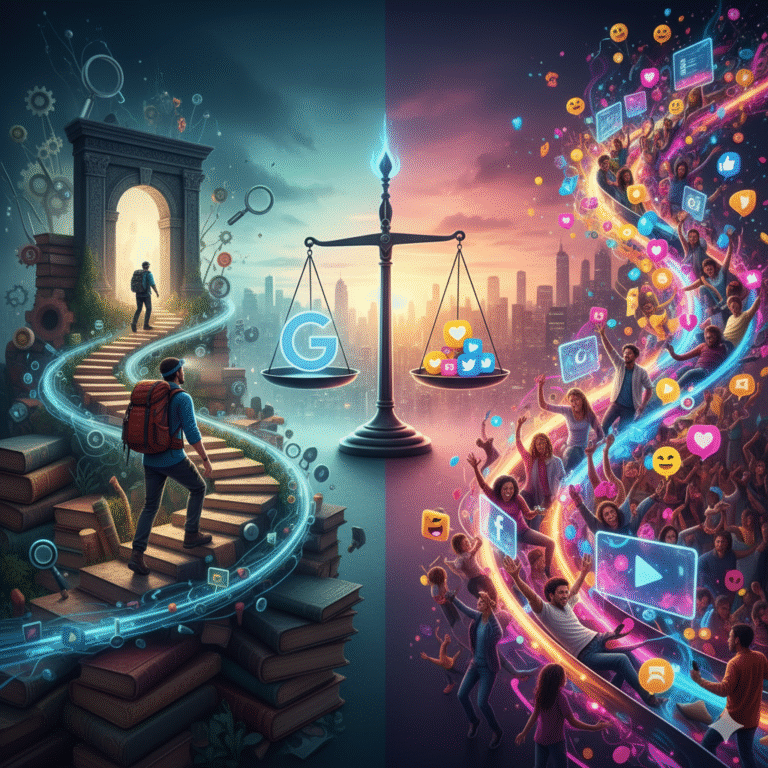

In today’s digital-first world, your marketing agency’s website isn’t just a business card—it’s the cornerstone of your brand identity, credibility, and client acquisition strategy. With thousands of agencies competing for the same audience, a poorly designed website can cost you valuable leads and undermine your authority in the market. On the other hand, a thoughtfully crafted, professional website can position your agency as an industry leader and generate consistent business growth.
Need Help With Your Marketing or Website?
Not getting enough leads or sales? Get a free consultation and discover how to improve your website and marketing.
- Find out what may be stopping visitors from contacting you
- Discover where your website or marketing could perform better
- Get clear recommendations to improve leads, calls, and conversions
Here’s why every marketing agency needs a great website and how you can make yours stand out.
1. First Impressions Matter: Your Website Is Your Agency’s Front Door
Clients often judge your agency within seconds of visiting your website. A sleek, modern design immediately signals professionalism, credibility, and attention to detail. Conversely, an outdated or cluttered website can make potential clients question your expertise and trustworthiness.
Key takeaway: Your website is the first impression clients get—make it count.
2. Build Trust and Authority Through Professional Design
Trust is the foundation of any business relationship. A well-structured website with clear messaging, client testimonials, case studies, and certifications immediately establishes authority. When visitors see that you care about your own digital presence, they are more likely to believe you’ll care about theirs.
Pro tip: Highlight awards, successful campaigns, and recognizable client logos prominently.
3. Improve Lead Generation with Clear Calls-to-Action (CTAs)
A great website doesn’t just look good—it converts visitors into clients. Strategically placed CTAs such as “Request a Free Consultation” or “View Our Case Studies” guide potential clients through the buying journey.
Without a strong website, even the most skilled marketers struggle to convert traffic into leads.
4. Showcase Your Portfolio Effectively
Your website is the perfect platform to display your agency’s success stories. High-quality images, detailed project descriptions, and measurable results demonstrate your capabilities in a way no brochure can.
Potential clients want proof—your website is the best way to provide it.
5. Search Engine Optimization (SEO) Starts with a Strong Website
Even if your marketing agency specializes in digital advertising or social media, your own SEO strategy depends on your website. A site optimized for search engines ensures that clients searching for marketing services can find you online.
Elements like fast load times, mobile responsiveness, and optimized content improve both user experience and search engine rankings.
6. Mobile Responsiveness Is Non-Negotiable
More than 60% of web traffic comes from mobile devices. A website that doesn’t adapt to mobile screens signals outdated practices and reduces engagement. A responsive design ensures that your website looks professional, whether visitors use a smartphone, tablet, or desktop.
7. Strengthen Your Brand Identity Online
Your website is an extension of your brand. Color schemes, typography, and imagery should reflect your agency’s personality and values. Consistent branding across your website helps visitors remember you and reinforces trust.
Tip: Include a brand story section to humanize your agency and connect emotionally with potential clients.
8. Integrate Analytics to Make Data-Driven Decisions
A great website isn’t just a digital brochure—it’s a tool for growth. By integrating analytics tools, you can track visitor behavior, conversion rates, and traffic sources. This data helps refine marketing strategies and prove ROI to clients.
9. Offer Valuable Content to Engage Visitors
Marketing agencies thrive on thought leadership. Blogs, whitepapers, eBooks, and case studies position your agency as a knowledgeable resource and attract organic traffic.
Content marketing through your website also nurtures leads over time, creating long-term value beyond immediate client inquiries.
10. Keep Your Agency Competitive
The marketing landscape is fiercely competitive. Agencies without a strong online presence risk being overlooked in favor of competitors with polished, high-performing websites. A great website ensures you stay relevant and competitive.
11. Enhance Client Communication
A website can streamline communication through forms, chatbots, or integrated scheduling systems. Clients appreciate the convenience, and your team can manage leads more efficiently.
12. Demonstrate Technical Expertise
A professional website reflects your technical proficiency. Clean coding, fast load times, security measures, and smooth navigation subtly communicate that your agency is detail-oriented and capable of handling complex marketing campaigns.
13. Increase Conversions Through Optimized Landing Pages
Landing pages tailored for specific services, campaigns, or target audiences are powerful conversion tools. They provide focused messaging, eliminate distractions, and encourage action, increasing your lead generation potential.
14. Reduce Marketing Costs Long-Term
While a high-quality website is an upfront investment, it can reduce other marketing costs over time. With strong SEO, effective CTAs, and lead-capturing features, your website becomes a 24/7 marketing asset that continuously generates business.
15. Adaptability for Future Marketing Trends
Digital marketing is constantly evolving. A well-built website allows your agency to integrate new features like AI chatbots, interactive content, video marketing, and other emerging trends without requiring a full redesign.
16. Showcase Your Unique Selling Proposition (USP)
Every marketing agency has something unique to offer. A great website clearly communicates your USP and differentiates you from competitors. Whether it’s a specialized service, industry expertise, or innovative approach, your website is the best platform to highlight it.
17. Build Long-Term Client Relationships
A website isn’t just about attracting new clients—it’s about retaining existing ones. Regular updates, client portals, newsletters, and blog content keep clients engaged and coming back for more.
18. Improve Online Reputation Management
Potential clients research agencies online before reaching out. A professional website paired with client testimonials, reviews, and case studies helps control your online narrative and reinforces a positive reputation.
19. Support Multichannel Marketing Strategies
Your website serves as the central hub for all marketing efforts. Social media campaigns, email marketing, paid advertising, and offline promotions all direct traffic to your website. Without a strong website, these channels lose effectiveness.
20. Future-Proof Your Agency with a Scalable Website
As your agency grows, your website should scale with it. Modular designs, CMS flexibility, and robust hosting ensure that your website can expand without sacrificing performance or user experience.
Conclusion
In the digital age, a marketing agency without a great website is like a shop without a storefront—potential clients can’t find you, and your credibility suffers. Investing in a professional, optimized, and engaging website not only attracts more leads but builds trust, showcases expertise, and ensures long-term growth.
Your website isn’t just a marketing tool—it’s the foundation of your agency’s success. Prioritize it, and the results will speak for themselves.