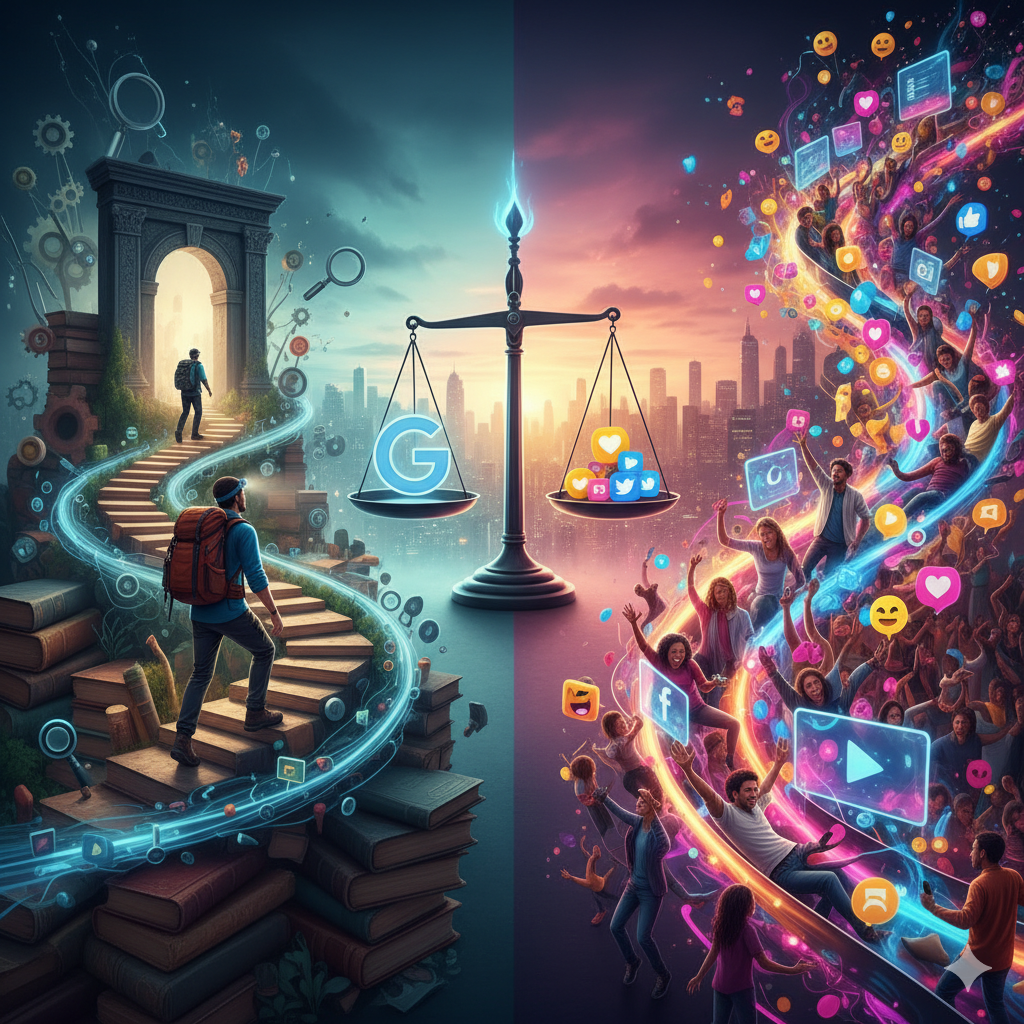

In the fast-changing world of digital marketing, one question keeps coming back — which delivers better results: SEO or social media?
Both play vital roles in online success, but they work in very different ways. While SEO builds long-term visibility through search engines, social media drives instant engagement and brand awareness.
Choosing between the two depends on your goals, audience, and marketing timeline. Let’s explore which strategy comes out on top and how you can use both to boost your business growth.
1. Understanding SEO: The Foundation of Long-Term Growth
Search Engine Optimization (SEO) focuses on improving your website’s visibility in Google, Bing, and other search engines. When done right, SEO helps your pages appear on the first page of search results, attracting organic, free traffic from users actively searching for your products or services.
Key Benefits of SEO:
- Long-term traffic that continues even after campaigns end.
- Builds trust and authority through consistent search visibility.
- Cost-effective compared to paid ads or sponsored posts.
- Targets high-intent customers ready to make a purchase.
Example:
A local appliance repair company that ranks first for “refrigerator repair near me” will consistently attract customers without spending daily on ads. That’s the power of SEO — results that compound over time.
2. What Social Media Marketing Brings to the Table
Social media marketing focuses on engaging your audience through platforms like Facebook, Instagram, TikTok, LinkedIn, and X (Twitter).
It’s less about search ranking and more about community, awareness, and personality.
Key Benefits of Social Media:
- Builds a loyal community and brand personality.
- Helps create viral content that spreads quickly.
- Provides real-time interaction with your audience.
- Great for short-term promotions, product launches, and storytelling.
Example:
A beauty brand posting a viral TikTok tutorial can get thousands of followers overnight. But the buzz may fade in days — unless supported by consistent SEO and website traffic.
Need Help With Your Marketing or Website?
Not getting enough leads or sales? Get a free consultation and discover how to improve your website and marketing.
- Find out what may be stopping visitors from contacting you
- Discover where your website or marketing could perform better
- Get clear recommendations to improve leads, calls, and conversions
3. SEO vs Social Media: The Core Difference
The main difference between SEO and social media lies in intent and longevity.
SEO captures people who are actively searching for something. Social media reaches people who are browsing or discovering.
| Feature | SEO | Social Media |
|---|---|---|
| Audience Intent | Users searching for solutions | Users browsing content |
| Result Speed | Slower, long-term | Fast, short-term |
| Cost | Lower over time | Often requires ad spend |
| Content Type | Articles, blogs, website pages | Videos, images, short posts |
| Longevity | Lasts for years | Fades in days or weeks |
| Engagement | Indirect (search traffic) | Direct (comments, likes, shares) |
4. Why SEO Wins for Long-Term ROI
If your goal is consistent traffic, authority, and conversions, SEO often wins.
It takes time to build, but the results last far longer. With keyword optimization, quality backlinks, and valuable content, your website becomes a trusted resource in your niche.
Why Businesses Prefer SEO:
- It drives qualified leads ready to buy.
- It offers better return on investment (ROI).
- It works 24/7 — even while you sleep.
- It reduces the need for paid ads over time.
Example:
An e-commerce site ranking high for “best skincare products for dry skin” gets continuous organic traffic, saving thousands in ad costs each month.
5. When Social Media Takes the Lead
Social media dominates when your goal is brand awareness, audience engagement, or fast exposure.
It’s the perfect channel for visual brands, personalities, and lifestyle products.
Why Social Media Can Win:
- Creates emotional connections through storytelling.
- Encourages user-generated content and sharing.
- Drives instant visibility for new launches.
- Builds a direct communication channel with customers.
Example:
A restaurant that posts engaging food videos on Instagram can quickly gain followers and local attention. The content keeps people coming back for updates, events, and promotions.
6. Combining SEO and Social Media for Maximum Impact
The truth is — SEO and Social Media aren’t enemies. They complement each other.
When used together, they create a powerful digital marketing strategy that attracts, engages, and converts audiences across platforms.
How They Work Together:
- Social media drives traffic and engagement to your website.
- SEO-optimized content provides valuable information that keeps visitors longer.
- Sharing blog posts on social platforms increases backlinks and authority.
- Search-friendly captions and hashtags improve discoverability on both Google and social channels.
Pro Tip:
When you publish a blog post, share it across Facebook, LinkedIn, and Pinterest with a catchy intro and relevant hashtags. This helps your SEO page gain clicks, shares, and backlinks faster.
7. Which Is Better for Small Businesses?
For small businesses with limited budgets, the choice between SEO and social media depends on your goals and timeline.
If You Need Quick Results:
Choose Social Media Marketing. Run short campaigns, create engaging reels, and connect directly with your audience.
If You Want Sustainable Growth:
Go with SEO. Build your site’s authority with blogs, keyword research, and optimized pages. The results may take 3–6 months, but they last for years.
Best Strategy:
Start with social media for visibility and invest in SEO for stability. Over time, both will support each other and grow your brand naturally.
8. Measuring Success: SEO Metrics vs Social Media Metrics
SEO Metrics:
- Organic traffic growth
- Keyword rankings
- Click-through rate (CTR)
- Bounce rate
- Conversion rate
Social Media Metrics:
- Engagement rate (likes, comments, shares)
- Follower growth
- Video views
- Post reach
- Website clicks from posts
Both sets of data help you understand how audiences interact with your brand. But SEO metrics often indicate purchase intent, while social media metrics show brand interest.
9. Real-World Case: SEO and Social Media in Action
Let’s say a fitness brand runs a blog post titled “10 Home Workouts for Beginners.”
- SEO brings in users searching “easy home workouts” or “beginner fitness routines.”
- The same post shared on Instagram gets comments and shares from followers.
- Over time, backlinks and engagement boost the post’s Google ranking.
This synergy proves that SEO and Social Media are strongest when used together.
10. Final Verdict: SEO vs Social Media — Who Wins?
The real winner depends on your goals:
- For sustainable growth and long-term ROI, SEO wins.
- For instant engagement and visibility, Social Media wins.
But if you want the best of both worlds — combine them.
Use social media to draw attention, and SEO to capture search traffic. That’s the ultimate formula for online success in 2025.
Conclusion: Build a Balanced Digital Strategy
The smartest marketers don’t choose sides — they build bridges.
SEO keeps your business visible in search results, while social media keeps your audience engaged and emotionally connected.
Together, they create a complete ecosystem that strengthens your brand, builds authority, and drives real business growth.
If you want long-lasting visibility and strong online presence, integrate both SEO and Social Media Marketing into your digital plan today.