
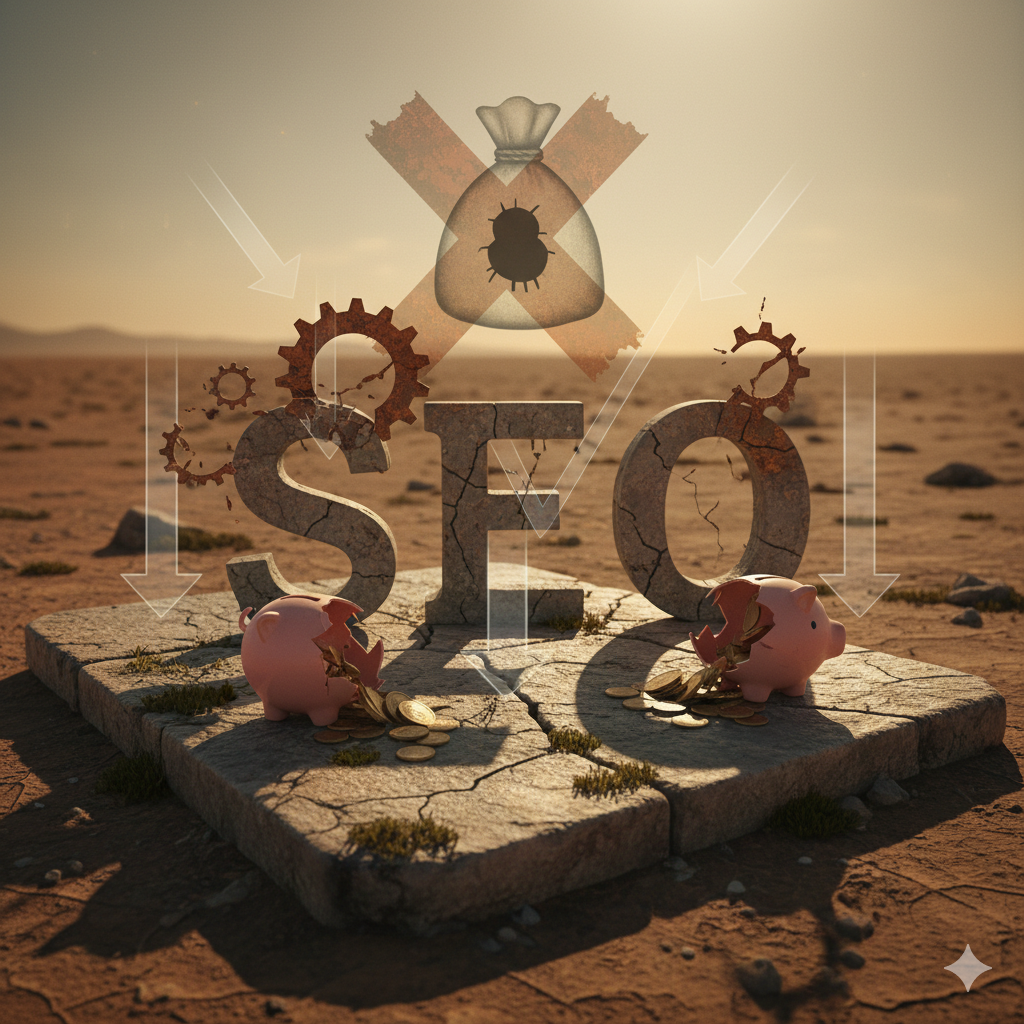

Search Engine Optimization (SEO) has always been the backbone of online success, yet many businesses still fall for common SEO myths that drain budgets and slow growth. In 2025, where Google’s algorithms evolve faster than ever, believing in outdated SEO tactics can cost you more than just rankings—it can cost you real money and potential customers.
Let’s uncover the most common SEO myths that could be silently sabotaging your online performance and what you can do instead to see real, lasting results.
1. Myth: SEO Is a One-Time Task
One of the biggest and most expensive misconceptions about SEO is thinking it’s a one-time setup. Many businesses invest in SEO for a few months, expecting long-term results without ongoing effort.
Reality: SEO is an ongoing process. Search engines frequently update their algorithms, new competitors enter your niche, and user behavior constantly changes. Without regular optimization, keyword tracking, and link-building, your rankings can quickly drop.
Pro Tip: Treat SEO like maintaining a car—it needs regular servicing. Keep auditing your website monthly and refresh your content to maintain performance.
2. Myth: Keyword Stuffing Boosts Rankings
Years ago, filling a page with as many keywords as possible might have worked. Today, keyword stuffing not only looks unnatural but can trigger Google penalties.
Reality: Google’s AI algorithms are now smarter. They focus on user intent, readability, and context rather than the number of times a keyword appears.
Pro Tip: Use long-tail keywords naturally throughout your content. Focus on quality over quantity.
Need Help With Your Marketing or Website?
Not getting enough leads or sales? Get a free consultation and discover how to improve your website and marketing.
- Find out what may be stopping visitors from contacting you
- Discover where your website or marketing could perform better
- Get clear recommendations to improve leads, calls, and conversions
3. Myth: Backlinks Don’t Matter Anymore
Some marketers believe that link-building is an outdated practice. But backlinks remain one of the strongest ranking factors when used correctly.
Reality: High-quality backlinks from relevant, trusted websites still boost your site’s authority and visibility. However, spammy or low-quality backlinks can hurt your site.
Pro Tip: Focus on earning backlinks by creating valuable content, guest posting, and collaborating with reputable sites in your niche.
4. Myth: SEO Works Instantly
SEO is not a quick-fix marketing tool. Many business owners expect immediate results after optimizing their site.
Reality: SEO takes time. It can take 3–6 months to see significant improvements depending on your competition, niche, and content quality.
Pro Tip: Stay patient and consistent. SEO is a long-term investment that rewards you with sustainable traffic and conversions.
5. Myth: Social Media Doesn’t Affect SEO
While social signals are not a direct ranking factor, ignoring social media can limit your brand’s reach and authority.
Reality: Social media boosts visibility, drives referral traffic, and helps your content get noticed by other creators—leading to more backlinks and exposure.
Pro Tip: Share your content consistently on platforms like LinkedIn, Facebook, and Instagram. It helps Google recognize your brand as a trusted source.
6. Myth: You Only Need to Rank on Google
Google may dominate the search market, but focusing only on it can make you miss other opportunities.
Reality: Other platforms like Bing, YouTube, and even Pinterest have search functions that attract millions of users daily.
Pro Tip: Optimize your content for multiple platforms—especially YouTube SEO if you use video marketing.
7. Myth: Local SEO Isn’t Necessary for Online Businesses
Some online businesses think local SEO doesn’t apply to them.
Reality: Even if you don’t have a physical store, local SEO helps you rank in specific regions and reach customers who are searching near them.
Pro Tip: Optimize your Google Business Profile and include local keywords to capture local search intent.
8. Myth: Content Quantity Beats Quality
Posting multiple low-quality articles may seem like a fast way to rank, but it can damage your brand and authority.
Reality: Search engines prioritize valuable, well-written content that provides genuine help to users.
Pro Tip: Focus on creating in-depth, informative, and engaging content that answers searchers’ questions better than competitors.
9. Myth: SEO Is All About Keywords
While keywords are important, SEO is much more than just finding the right phrases.
Reality: Modern SEO focuses on user experience (UX), content quality, site speed, mobile optimization, and intent.
Pro Tip: Combine keyword optimization with strong UX and technical SEO to achieve real, measurable results.
10. Myth: Paid Ads Can Replace SEO
Some businesses skip SEO entirely, thinking that paid ads like Google Ads are a faster solution.
Reality: Paid ads stop generating traffic as soon as you stop paying. SEO, on the other hand, builds long-term organic visibility.
Pro Tip: Combine both strategies. Use PPC for short-term goals and SEO for sustainable growth.
11. Myth: Duplicate Content Isn’t a Big Deal
Publishing the same content across multiple pages or copying from other sources can seriously hurt your site.
Reality: Search engines penalize websites with duplicate content because it confuses crawlers and reduces user value.
Pro Tip: Always write unique, original content and use canonical tags if necessary.
12. Myth: Mobile Optimization Doesn’t Matter Much
If your website isn’t optimized for mobile, you’re losing traffic and rankings.
Reality: Google prioritizes mobile-first indexing, meaning your mobile version is what gets ranked first.
Pro Tip: Test your website on mobile devices regularly and ensure pages load quickly and display correctly.
13. Myth: SEO Is Too Technical for Small Businesses
Many small business owners believe SEO is only for big corporations with large budgets.
Reality: With the right strategy, even small businesses can outrank bigger brands. SEO success depends on relevance, consistency, and smart targeting—not just money.
Pro Tip: Focus on local keywords, optimize your website structure, and publish consistent content.
14. Myth: Meta Descriptions Don’t Affect SEO
While meta descriptions don’t directly impact rankings, they influence your click-through rate (CTR).
Reality: A compelling meta description encourages users to click on your page instead of your competitor’s.
Pro Tip: Write concise, engaging meta descriptions with your target keywords and a clear call to action.
15. Myth: You Don’t Need Analytics to Succeed in SEO
Ignoring data means you’re running SEO blind.
Reality: Tools like Google Analytics and Search Console provide insights into user behavior, traffic sources, and keyword performance.
Pro Tip: Review your analytics regularly and adjust your strategy based on real data.
Conclusion: Stop Falling for SEO Myths and Start Investing in Real Strategies
SEO success doesn’t happen overnight, and it’s not built on myths. It’s about understanding search intent, creating valuable content, and staying consistent. By avoiding these costly SEO myths, you can save time, money, and frustration—while driving more qualified traffic to your website.
Remember: SEO is not an expense—it’s an investment. The businesses that treat it as such will continue to thrive in 2025 and beyond.