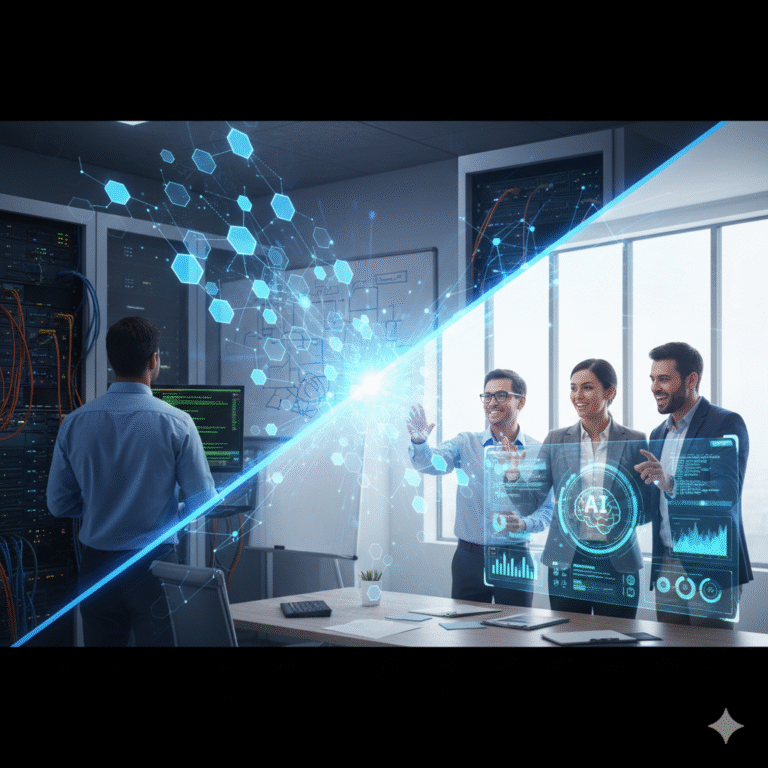


Legacy systems once formed the backbone of many successful organizations. They powered operations, stored critical data, and kept business processes running smoothly for decades. But as technology evolves at lightning speed, these aging systems have become far more of a liability than an asset. In 2025, businesses across every industry—from manufacturing and healthcare to finance and retail—are rethinking how their technology infrastructure supports long-term growth.
Modern platforms are no longer considered an optional upgrade; they’re now essential for meeting customer expectations, competing in global markets, and maintaining operational efficiency. Migrating legacy systems may sound overwhelming, but the benefits deeply outweigh the challenges.
This article explores the real-world advantages of modernizing legacy systems, why organizations can no longer afford to ignore outdated technologies, and how strategic migration can unlock new levels of innovation and agility.
Why Legacy Systems Are Holding Businesses Back
Many organizations continue to rely on legacy software because it still “works.” However, functioning and performing efficiently are not the same. Legacy systems introduce several long-term risks, including rising maintenance costs, limited integration capabilities, outdated security frameworks, and a shrinking pool of skilled professionals able to support them.
Common challenges posed by legacy systems:
- Slow performance and frequent downtime
- High maintenance and licensing costs
- Difficulty integrating with cloud services and modern APIs
- Security vulnerabilities and compliance issues
- Declining support and expertise
- Inability to scale or adapt to new business models
As digital transformation accelerates, businesses that cling to outdated systems risk falling behind competitors who are leveraging modern, agile, cloud-based platforms.
1. Improved Operational Efficiency and Performance
One of the most immediate benefits of migrating legacy systems is the dramatic improvement in performance. Modern platforms are built for today’s workloads. They offer faster processing speeds, smoother workflows, and automation capabilities that reduce manual labor and human error.
For example, cloud-based applications distribute workloads efficiently, ensuring systems run smoothly even during peak usage. Automated updates eliminate the downtime associated with traditional maintenance windows. As a result, teams can collaborate faster, data is more accessible, and operations run more predictably.
When efficiency increases, productivity follows.
2. Enhanced Security and Compliance
Cybersecurity threats continue to grow in complexity and scale. Legacy systems, which often rely on outdated security protocols, are especially vulnerable. Many older platforms cannot receive essential security patches or fail to meet modern compliance standards such as GDPR, HIPAA, and PCI-DSS.
Modernizing systems helps organizations:
- Implement real-time security monitoring
- Encrypt sensitive data
- Automate compliance reporting
- Utilize multi-factor authentication
- Reduce the risk of breaches and costly fines
Modern platforms—especially cloud-based solutions—offer built-in security frameworks that evolve with emerging threats. This ensures your organization is better protected today and in the future.
3. Lower Long-Term IT and Maintenance Costs
A significant misconception is that modernization is always expensive. While there is an investment involved, the long-term financial benefits are undeniable.
Legacy systems require:
- Expensive, outdated hardware
- High licensing fees
- Specialized (and increasingly rare) IT expertise
- Frequent repairs and downtime
Modern platforms, particularly cloud environments, shift expenses from capital expenditure (CapEx) to operational expenditure (OpEx). This is often more predictable, scalable, and cost-efficient.
Organizations typically experience lower maintenance costs, fewer outages, and reduced reliance on specialized legacy system experts. Over time, modernization pays for itself.
4. Scalability and Future-Proofing
Businesses today must adapt quickly to market changes, new customer expectations, and emerging technologies. Legacy systems lack the flexibility required for rapid innovation.
Modern platforms offer:
- On-demand scalability
- Easy upgrades and feature rollouts
- Built-in support for new integrations
- Cloud-native architectures compatible with AI, IoT, and automation tools
A modern system grows with your business rather than holding it back. As new opportunities arise—whether entering a new market or deploying a new customer experience model—the technology is ready to support the change.
5. Better Integration and Data Accessibility
Data drives decision-making. Unfortunately, legacy systems often hoard data in isolated silos, making it difficult to combine, analyze, or share information across the organization.
Modern platforms support:
- API-driven communication
- Real-time analytics
- Cloud-based data visibility
- Improved collaboration between departments
When data becomes accessible, leaders can make more informed decisions, employees can work faster, and organizations can respond quickly to new challenges or opportunities.
6. Improved User Experience and Employee Satisfaction
Old systems can frustrate teams and slow down daily tasks. Clunky interfaces, sluggish loading times, and outdated workflows directly impact productivity and morale.
Modern systems provide:
- User-friendly interfaces
- Faster response times
- Mobile and remote access
- Personalized dashboards
Employees feel empowered when they have the tools they need to perform better. Modern platforms also help attract and retain talent by demonstrating a commitment to innovation.
7. Stronger Customer Experience and Brand Loyalty
Customers expect fast, personalized, digital-first interactions. Legacy systems simply cannot deliver this consistently.
Modern platforms enable:
- Personalized customer journeys
- Faster service delivery
- Data-driven recommendations
- Seamless omni-channel experiences
Better technology leads to happier customers, stronger brand loyalty, and more revenue opportunities. In today’s competitive landscape, customer experience represents one of the most important reasons to modernize.
8. Competitive Advantage in a Digital World
Digital laggards often struggle to compete effectively. Businesses leveraging modern technologies can innovate faster, pivot more easily, and meet customer needs more intelligently.
Companies that modernize can:
- Develop new products faster
- Automate manual processes
- Utilize real-time analytics
- Explore AI-driven insights
- Enter new markets confidently
In many industries, modernization is no longer a strategy for growth—it’s a requirement for survival.
9. Support for AI, Machine Learning, and Automation
AI and automation are shaping the next generation of business operations. Legacy systems are generally incompatible with modern AI frameworks, limiting opportunities for innovation.
Migrating to a modern platform opens the door to:
- Predictive analytics
- Intelligent automation
- AI-guided decision-making
- Chatbots and virtual assistants
- Smart manufacturing technologies
Organizations that modernize position themselves at the forefront of technological evolution.
10. Increased Agility and Faster Time-to-Market
Agility is essential for modern organizations. The ability to develop, test, and deploy applications efficiently can determine whether a business stays ahead or falls behind.
Modern platforms support:
- Agile development methodologies
- Continuous integration and delivery (CI/CD)
- Rapid troubleshooting and iteration
- Faster delivery of new digital services
This agility speeds up innovation and shortens the time it takes for ideas to become powerful business solutions.
Final Thoughts
Migrating legacy systems to modern platforms may appear challenging, but it is one of the most rewarding investments an organization can make. From enhanced security and operational efficiency to improved customer experiences and the ability to embrace AI-driven innovation, modernization lays the foundation for long-term success.
In 2025 and beyond, companies that modernize will thrive—and those that don’t risk being left behind.