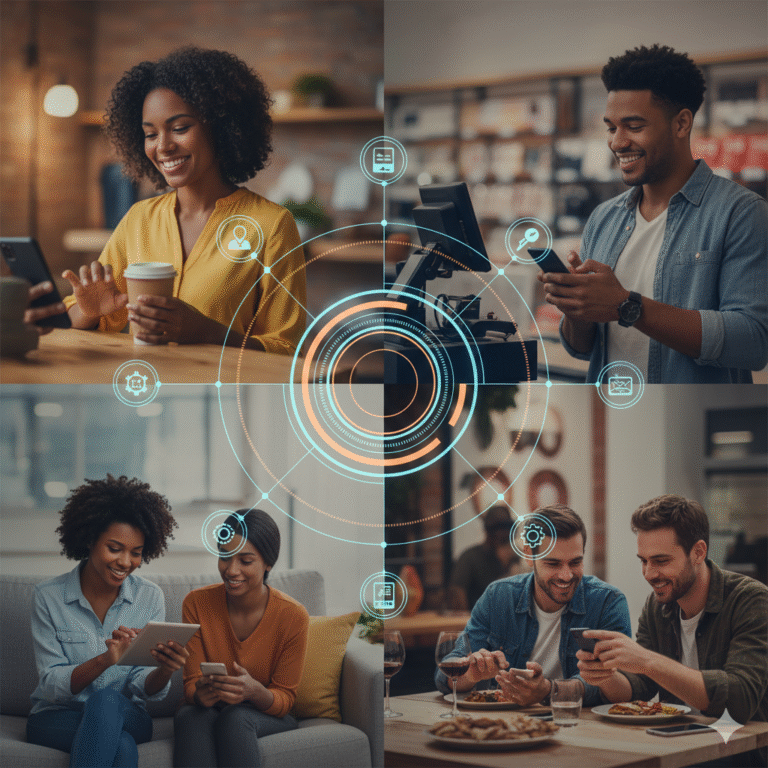

In today’s fast-paced digital marketplace, customer loyalty is no longer built on price alone. It is built on experience, convenience, personalization, and emotional connection. Retail brands that understand this are investing heavily in mobile technology — and for good reason.
Retail apps have evolved from being “nice-to-have” tools to becoming powerful loyalty engines. From global brands like Amazon and Walmart to fashion leaders like Nike, businesses are leveraging mobile apps to create meaningful, lasting customer relationships.
But what exactly makes retail apps so effective at increasing customer loyalty?
Let’s dive deep.
How Retail Mobile Apps Create Personalized Shopping Experiences That Build Emotional Loyalty
Modern consumers expect brands to understand their preferences. Retail apps use customer data intelligently to offer:
- Personalized product recommendations
- Customized push notifications
- Exclusive in-app offers
- Location-based promotions
When a customer opens an app and sees products curated specifically for them, it creates a feeling of recognition. That recognition builds trust. And trust builds loyalty.
Unlike generic email marketing, mobile apps deliver real-time personalization based on browsing behavior, purchase history, and even abandoned carts. The result? A shopping experience that feels tailor-made.
Why Convenience Through Mobile Retail Apps Encourages Repeat Purchases
Convenience is currency in 2026.
Retail apps reduce friction by offering:
- One-click checkout
- Saved payment methods
- Order tracking
- Easy returns
- Buy online, pick up in store (BOPIS)
The fewer obstacles customers face, the more likely they are to return. When shoppers know they can reorder their favorite items in seconds, they don’t look elsewhere.
Convenience reduces decision fatigue — and that psychological ease strengthens long-term buying habits.
Need Help With Your Marketing or Website?
Not getting enough leads or sales? Get a free consultation and discover how to improve your website and marketing.
- Find out what may be stopping visitors from contacting you
- Discover where your website or marketing could perform better
- Get clear recommendations to improve leads, calls, and conversions
The Role of Mobile Loyalty Programs in Increasing Customer Retention Rates
Traditional punch cards are outdated. Today’s loyalty programs live inside apps.
Retail apps make loyalty programs:
- Easy to join
- Simple to track
- Instant to redeem
- Reward-based and gamified
Customers can see their points accumulate in real time. They receive notifications when they are close to earning a reward. This gamification triggers excitement and repeat engagement.
Brands like Starbucks have mastered this approach. Their app-based rewards system encourages customers to purchase more frequently just to unlock benefits.
When loyalty feels interactive rather than transactional, customers stay longer.
How Push Notifications Increase Customer Engagement Without Being Intrusive
Push notifications, when used strategically, are powerful.
They can:
- Announce flash sales
- Remind users of abandoned carts
- Offer birthday discounts
- Notify about back-in-stock products
The key is personalization and timing.
Relevant notifications feel helpful — not annoying. When customers receive alerts that align with their interests, they associate the brand with value.
And consistent engagement keeps the brand top-of-mind.
Why Data-Driven Insights from Retail Apps Improve Customer Relationship Management
Retail apps generate rich customer insights, including:
- Purchase patterns
- Favorite categories
- Seasonal trends
- Average spending behavior
This data allows retailers to refine marketing strategies and create hyper-targeted campaigns.
Better insights mean better communication. And better communication builds deeper relationships.
Instead of guessing what customers want, retailers respond precisely to their needs.
Seamless Omnichannel Integration: Connecting Online and In-Store Experiences
Retail is no longer separated into digital and physical. It’s interconnected.
Retail apps bridge the gap between:
- In-store purchases
- Online browsing
- Customer service
- Loyalty rewards
For example, customers can scan products in-store to read reviews, check stock availability, or unlock exclusive discounts.
This seamless omnichannel approach creates a consistent brand experience — which reinforces trust and loyalty.
How Mobile Apps Strengthen Brand Identity and Community Building
Apps are more than shopping platforms. They are brand ecosystems.
Through exclusive content, early product launches, behind-the-scenes updates, and member-only perks, retailers build a sense of belonging.
Customers don’t just shop — they become part of a community.
This emotional attachment significantly increases customer lifetime value.
The Psychological Impact of Exclusivity in Retail Mobile Applications
Exclusivity drives desire.
Retail apps often provide:
- Early access to new collections
- App-only discounts
- Members-only flash sales
When customers feel they are receiving insider benefits, they develop stronger brand affinity.
People remain loyal to brands that make them feel valued.
Mobile Payment Integration and Frictionless Checkout: A Key Driver of Customer Satisfaction
Speed matters.
Retail apps integrate with digital wallets and secure payment gateways, making checkout effortless.
Frictionless transactions reduce cart abandonment and increase overall satisfaction. A smooth checkout process leaves customers with a positive final impression — increasing the likelihood of return visits.
Why Retail Apps Are Essential for Long-Term Customer Lifetime Value Growth
Customer acquisition is expensive. Retention is profitable.
Studies consistently show that increasing customer retention by even a small percentage can significantly boost profits. Retail apps contribute to:
- Higher repeat purchase rates
- Increased average order value
- Stronger brand advocacy
- More referrals
When customers repeatedly interact with a brand through an app, loyalty becomes habitual.
Real-World Examples of Retail Brands Successfully Using Apps to Build Loyalty
Leading brands understand that mobile apps are strategic assets.
- Sephora uses personalized beauty recommendations and a powerful rewards program.
- Target integrates coupons, loyalty perks, and seamless checkout within its app.
- H&M delivers tailored fashion suggestions and exclusive member pricing.
These brands don’t just sell products — they create ongoing digital relationships.
Final Thoughts: Retail Apps Are No Longer Optional — They Are Loyalty Powerhouses
Retail apps have transformed the way brands connect with customers.
They combine personalization, convenience, rewards, data intelligence, and emotional engagement into one powerful ecosystem.
In a competitive marketplace where customers have endless options, loyalty is earned through experience. Retail apps provide that experience consistently, directly, and personally.
For retailers aiming to increase retention, improve customer satisfaction, and drive sustainable growth, investing in a well-designed mobile app is no longer a luxury — it’s a strategic necessity.
The brands that embrace this digital shift today will own customer loyalty tomorrow.