
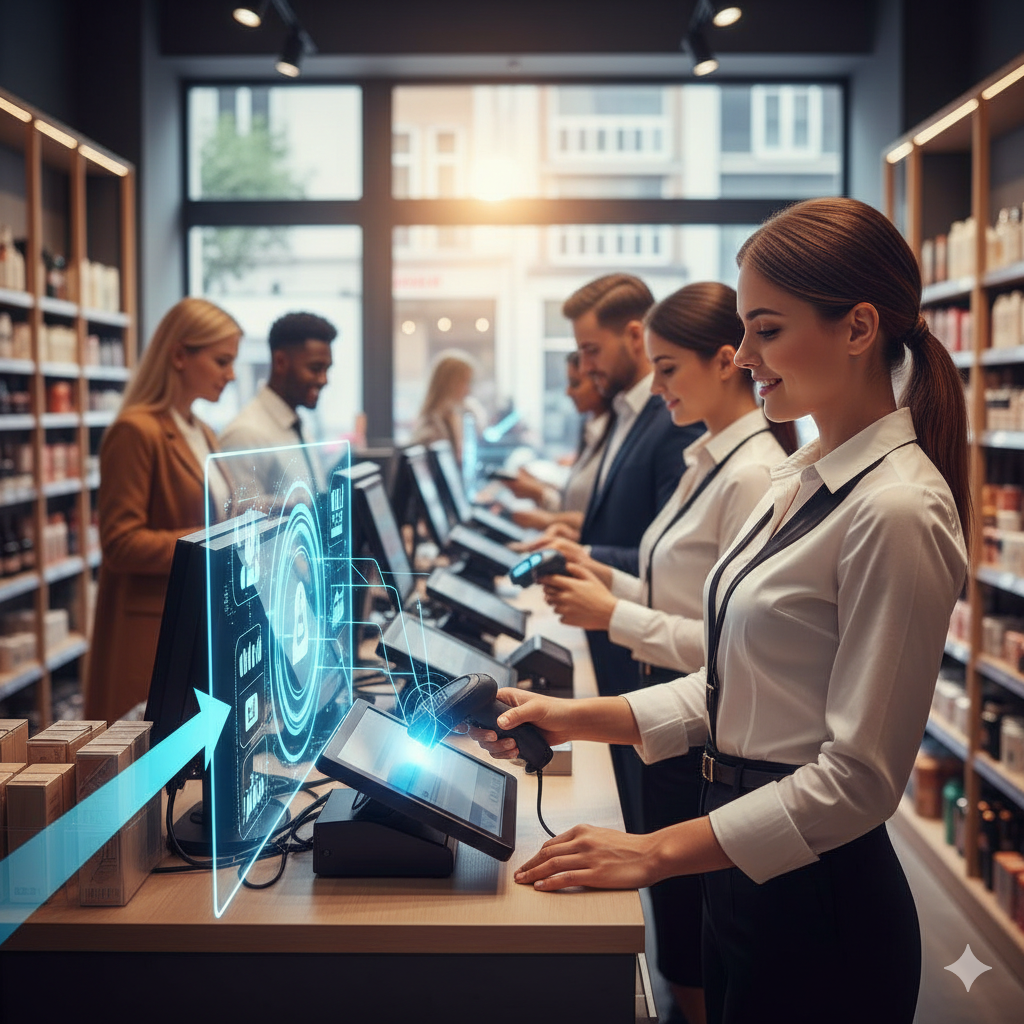

Running a retail business today is no longer just about selling products—it’s about managing data, inventory, staff, customer expectations, and profitability in real time. As consumer behavior evolves and competition intensifies, retailers must operate smarter, faster, and more efficiently. This is where POS apps have become a game-changer for modern retail operations.
A Point of Sale (POS) app is no longer just a digital cash register. It’s a powerful, centralized system that connects sales, inventory, staff performance, customer data, and analytics into one seamless platform. Retailers who adopt POS apps often experience smoother workflows, fewer errors, and better decision-making.
In this blog, we’ll explore why POS apps help streamline retail operations, how they improve efficiency across different retail functions, and why they are essential for sustainable growth in today’s retail landscape.
Understanding POS Apps in Modern Retail
POS apps are software-based systems that allow retailers to process transactions using smartphones, tablets, or dedicated terminals. Unlike traditional POS systems, modern POS apps are cloud-based, scalable, and accessible from anywhere.
They integrate seamlessly with other business tools such as accounting software, inventory platforms, CRM systems, and eCommerce stores. This integration eliminates manual work and reduces the risk of errors that often slow down retail operations.
How POS Apps Improve Retail Efficiency and Productivity
1. Faster and More Accurate Checkout Processes
One of the most noticeable benefits of POS apps is speed at checkout. Customers today expect quick, frictionless transactions. POS apps enable:
- Barcode scanning
- Multiple payment methods (cards, mobile wallets, QR codes)
- Split payments
- Digital receipts
By reducing checkout time, POS apps help retailers serve more customers efficiently while minimizing queues and abandoned purchases.
2. Centralized Inventory Management in Real Time
Inventory mismanagement is one of the biggest challenges retailers face. POS apps provide real-time inventory tracking, ensuring stock levels are always accurate.
With POS apps, retailers can:
- Automatically update inventory after each sale
- Set low-stock alerts
- Track fast-moving and slow-moving products
- Reduce overstock and stockouts
This level of visibility helps retailers make smarter purchasing decisions and avoid unnecessary losses.
Need Help With Your Marketing or Website?
Not getting enough leads or sales? Get a free consultation and discover how to improve your website and marketing.
- Find out what may be stopping visitors from contacting you
- Discover where your website or marketing could perform better
- Get clear recommendations to improve leads, calls, and conversions
Why POS Apps Are Essential for Retail Inventory Control
Automated Stock Updates Across Locations
For retailers operating multiple stores or online channels, POS apps synchronize inventory data across all locations. A sale made in one store instantly reflects across the entire system, preventing overselling and data discrepancies.
Improved Supplier and Purchase Order Management
POS apps often include purchase order tracking, allowing retailers to manage suppliers, monitor delivery timelines, and analyze supplier performance—all from one dashboard.
Streamlining Staff Management with POS Apps
Employee Performance Tracking
POS apps provide valuable insights into staff performance, including:
- Sales per employee
- Transaction speed
- Peak performance hours
These insights help managers identify top performers, provide targeted training, and optimize shift scheduling.
Role-Based Access Control
POS apps allow retailers to assign role-based permissions, ensuring employees only access the features they need. This reduces errors, improves accountability, and enhances data security.
How POS Apps Enhance Customer Experience
Personalized Customer Interactions
Modern POS apps store customer data such as purchase history, preferences, and loyalty points. This enables retailers to offer:
- Personalized recommendations
- Exclusive discounts
- Targeted promotions
Personalization builds stronger customer relationships and increases repeat business.
Integrated Loyalty and Rewards Programs
POS apps make it easy to run loyalty programs without additional software. Customers can earn and redeem rewards automatically, encouraging long-term engagement and higher lifetime value.
POS Apps and Omnichannel Retail Operations
Seamless Online and Offline Integration
Today’s consumers shop across multiple channels. POS apps connect brick-and-mortar stores with online platforms, creating a unified omnichannel experience.
Retailers can:
- Offer buy online, pick up in store (BOPIS)
- Sync online and in-store inventory
- Manage returns across channels
This seamless experience boosts customer satisfaction and operational efficiency.
Real-Time Reporting and Retail Analytics
Data-Driven Decision Making
POS apps provide real-time reports on:
- Sales trends
- Best-selling products
- Profit margins
- Customer behavior
Instead of relying on guesswork, retailers can make informed decisions based on accurate data.
Forecasting and Demand Planning
With historical sales data and trend analysis, POS apps help retailers forecast demand more accurately, ensuring the right products are available at the right time.
Reducing Operational Errors and Manual Work
Manual data entry is time-consuming and prone to mistakes. POS apps automate many daily tasks, including:
- Sales recording
- Tax calculations
- Inventory adjustments
- Financial reporting
Automation not only saves time but also reduces costly errors that impact profitability.
POS Apps Improve Retail Financial Management
Simplified Accounting and Tax Compliance
POS apps integrate with accounting software, making it easier to:
- Track revenue and expenses
- Generate financial statements
- Ensure tax compliance
This reduces administrative workload and improves financial accuracy.
Better Cash Flow Visibility
With real-time sales and expense tracking, retailers gain better visibility into cash flow, helping them plan investments and manage operational costs effectively.
Scalability: Why POS Apps Grow with Your Retail Business
POS apps are designed to scale. Whether you’re opening new locations, adding new product lines, or expanding online, POS systems can adapt without major infrastructure changes.
This scalability makes POS apps ideal for:
- Small retail startups
- Growing franchises
- Established retail chains
Security and Data Protection in POS Apps
Modern POS apps use advanced security features such as:
- Encrypted transactions
- Secure cloud storage
- Regular software updates
- User authentication controls
These features protect sensitive customer and business data while ensuring compliance with industry standards.
Why POS Apps Are a Long-Term Investment for Retailers
While implementing a POS app requires initial investment, the long-term benefits far outweigh the costs. Retailers experience:
- Reduced operational expenses
- Higher sales efficiency
- Improved customer retention
- Better business insights
POS apps are not just tools—they are strategic assets that support sustainable growth.
Future Trends: POS Apps and the Evolution of Retail
As retail technology evolves, POS apps are becoming smarter with features like:
- AI-powered sales insights
- Predictive inventory management
- Contactless and biometric payments
- Deeper customer behavior analysis
Retailers who adopt POS apps today position themselves ahead of future trends and consumer expectations.
Final Thoughts: Why POS Apps Help Streamline Retail Operations
In an increasingly competitive retail environment, efficiency, accuracy, and customer experience determine success. POS apps streamline retail operations by centralizing data, automating tasks, and providing real-time insights that empower retailers to make smarter decisions.