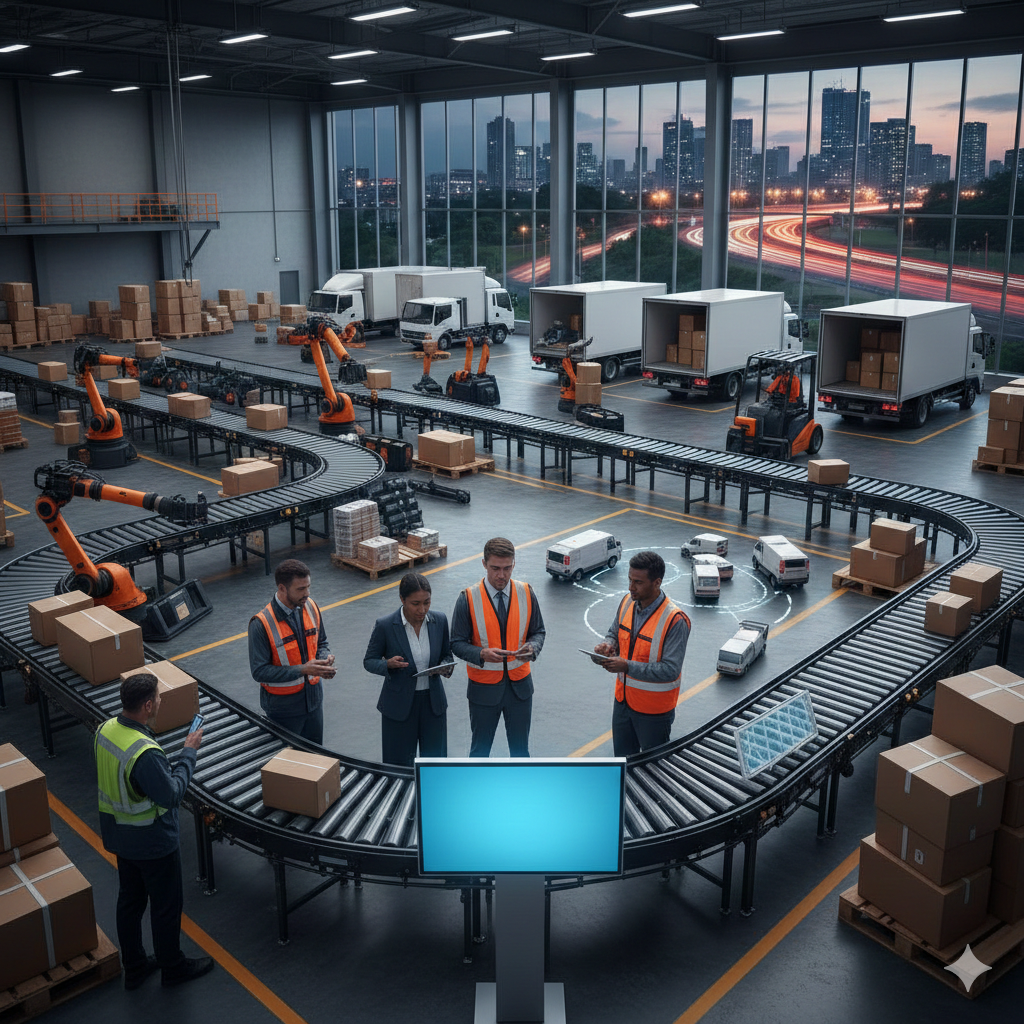

In today’s hyper-connected world, logistics and supply chain operations are no longer just about moving goods from one place to another. The backbone of modern logistics is information flow, and real-time updates in logistics software are critical to maintaining efficiency, accuracy, and customer satisfaction. Whether you are managing freight, warehouses, inventory, or last-mile delivery, having up-to-the-minute information can make or break your operations.
1. Real-Time Data is the Lifeline of Modern Logistics
Need Help With Your Marketing or Website?
Not getting enough leads or sales? Get a free consultation and discover how to improve your website and marketing.
- Find out what may be stopping visitors from contacting you
- Discover where your website or marketing could perform better
- Get clear recommendations to improve leads, calls, and conversions
Modern logistics relies heavily on accurate and timely data. Delayed or outdated information can lead to poor decision-making, missed delivery deadlines, and higher operational costs. Real-time updates allow managers to monitor shipments, inventory levels, and delivery schedules as they happen, giving them the agility to respond quickly to unexpected challenges.
For example, if a truck is delayed due to traffic, a real-time update allows the system to reroute the shipment or notify customers instantly. Without these updates, companies risk delays, increased costs, and customer dissatisfaction.
2. Improving Supply Chain Visibility
One of the most significant benefits of real-time logistics software is enhanced supply chain visibility. Visibility means knowing exactly where your goods are at any given time, which is critical for forecasting, inventory planning, and customer communication.
With real-time updates, businesses can track every movement of their shipment, from the warehouse to the delivery vehicle, ensuring transparency across the supply chain. This level of insight not only improves internal operations but also strengthens customer trust and brand reputation.
3. Reducing Operational Errors and Delays
Manual processes and outdated software often result in errors such as misplaced shipments, incorrect inventory counts, or missed deadlines. Real-time logistics software automates updates and alerts, reducing the risk of human error.
For instance, if an item is scanned into a warehouse, the system immediately updates inventory records. If a package is delayed or rerouted, stakeholders receive instant notifications, minimizing the impact on delivery schedules.
4. Enhancing Customer Satisfaction
Customer expectations have evolved significantly in the digital era. Buyers now demand accurate tracking, timely delivery, and instant notifications. Logistics software with real-time updates provides customers with live shipment tracking, estimated delivery times, and proactive alerts in case of delays.
A transparent and responsive supply chain improves customer experience and encourages repeat business. Companies that fail to provide real-time updates risk losing customers to competitors who can offer instant visibility.
5. Optimizing Fleet and Route Management
Real-time updates aren’t just about tracking inventory—they’re also critical for fleet management. By monitoring vehicle locations, traffic conditions, and delivery priorities, logistics software can optimize routes to save time and fuel.
For example, if a driver encounters unexpected congestion, the system can automatically suggest an alternate route, reducing delays and fuel consumption. This optimization not only cuts costs but also increases overall delivery efficiency.
6. Boosting Warehouse Efficiency
Warehouses are the heart of logistics operations. Real-time updates help streamline workflows by tracking inventory movement, predicting stock shortages, and automating order fulfillment.
Software that updates live allows warehouse managers to reallocate resources dynamically, reduce bottlenecks, and ensure that products are always ready for shipment. This flexibility is especially valuable during peak seasons or sudden surges in demand.
7. Enabling Data-Driven Decision Making
Logistics today is more than just transportation—it’s a data-driven ecosystem. Real-time updates feed actionable insights into dashboards, reports, and analytics tools.
Managers can identify trends, forecast demand, optimize inventory, and make strategic decisions based on live operational data. Without real-time updates, analytics are based on outdated information, which can lead to poor strategic choices.
8. Integrating with Modern Technology Solutions
Modern logistics doesn’t operate in isolation. Real-time updates allow logistics software to integrate seamlessly with ERP systems, IoT devices, GPS trackers, and AI-driven analytics tools.
These integrations allow for automated decision-making, predictive maintenance for vehicles, proactive inventory management, and real-time communication between warehouses, suppliers, and customers.
9. Supporting Scalability and Growth
As businesses grow, logistics operations become more complex. Real-time updates in logistics software allow companies to scale efficiently without sacrificing service quality.
From handling multiple warehouses to managing hundreds of daily deliveries, live updates ensure that every part of the supply chain remains synchronized. Companies that ignore real-time capabilities may struggle to grow efficiently due to operational bottlenecks and delays.
10. Reducing Costs Through Operational Efficiency
Finally, one of the most compelling reasons for real-time logistics updates is cost reduction. Accurate, instant information minimizes wasted resources, reduces fuel and labor costs, prevents lost shipments, and optimizes inventory levels.
By proactively addressing potential issues, companies can prevent costly disruptions before they occur, ensuring a smoother and more profitable supply chain.
Conclusion
In a world where speed, accuracy, and customer satisfaction define success, real-time updates in logistics software are no longer optional—they are essential. From enhancing supply chain visibility and improving customer satisfaction to optimizing fleet management and reducing costs, the benefits are clear.
Companies that invest in real-time logistics technology are not just improving operations—they are future-proofing their supply chains, ensuring agility, transparency, and resilience in an increasingly competitive market.
For any business serious about logistics efficiency, embracing real-time updates is no longer just a strategy; it’s a necessity.