
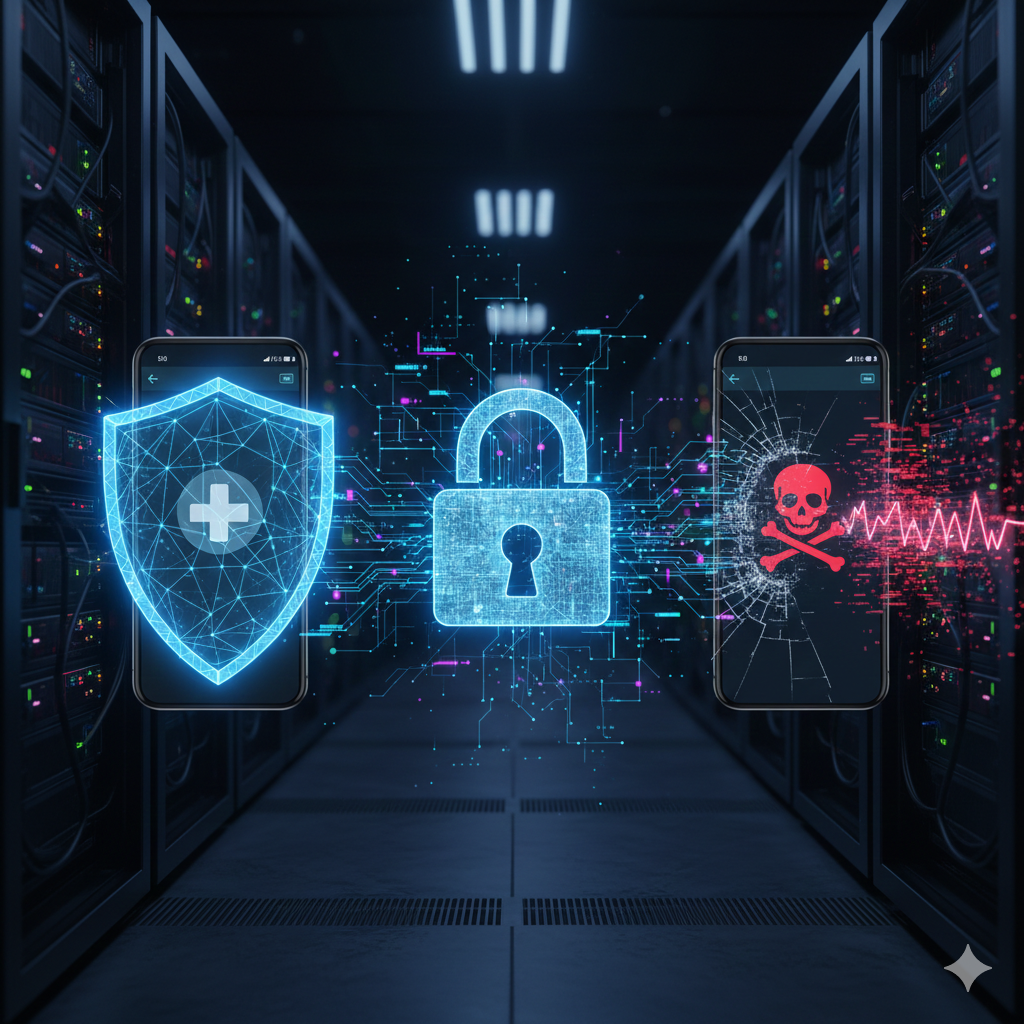

The digital transformation in healthcare has revolutionized the way patients interact with medical services. Mobile health apps, telemedicine platforms, and electronic health record (EHR) systems have become indispensable. While these technologies offer unprecedented convenience and efficiency, they also introduce significant security challenges. Ensuring that healthcare apps are secure is no longer optional—it’s critical for patient safety, regulatory compliance, and organizational reputation.
In this article, we explore why healthcare apps require robust security, common vulnerabilities, and best practices to protect sensitive data.
The Growing Role of Healthcare Apps
Healthcare apps have surged in popularity due to several factors:
- Telemedicine: Patients can consult doctors remotely via secure video calls.
- Patient Portals: Users can access test results, appointment schedules, and treatment plans.
- Wearable Integration: Apps collect data from smartwatches and fitness trackers for personalized health insights.
- Chronic Disease Management: Apps help monitor conditions such as diabetes, hypertension, and heart disease.
While these apps improve patient engagement and outcomes, they also generate and store enormous amounts of sensitive data. This makes them attractive targets for cybercriminals.
Why Healthcare App Security is Critical
1. Protection of Sensitive Patient Data
Healthcare apps handle protected health information (PHI), including:
- Medical history
- Lab results
- Prescription details
- Personal identifiers
Unauthorized access to this data can lead to identity theft, financial fraud, and reputational damage for healthcare providers.
2. Regulatory Compliance
Healthcare organizations must comply with strict regulations, such as:
- HIPAA (Health Insurance Portability and Accountability Act) in the U.S.
- GDPR (General Data Protection Regulation) in Europe
- HITECH Act for electronic health records
Non-compliance can result in hefty fines, legal actions, and loss of patient trust.
3. Safeguarding Against Cyberattacks
Healthcare is a prime target for cybercriminals due to the value of medical data. Common attacks include:
- Ransomware attacks that lock patient records
- Phishing scams targeting medical staff
- Data breaches via unsecured APIs
Robust security measures help mitigate these risks and ensure uninterrupted healthcare services.
Need Help With Your Marketing or Website?
Not getting enough leads or sales? Get a free consultation and discover how to improve your website and marketing.
- Find out what may be stopping visitors from contacting you
- Discover where your website or marketing could perform better
- Get clear recommendations to improve leads, calls, and conversions
Common Security Vulnerabilities in Healthcare Apps
Even with good intentions, healthcare apps often face security challenges. Understanding these vulnerabilities is the first step in mitigation.
1. Weak Authentication
Many apps rely on simple passwords without multi-factor authentication (MFA), making it easier for attackers to gain unauthorized access.
2. Insecure Data Storage
Storing sensitive data on the device or cloud without encryption exposes patient information to breaches.
3. Poor API Security
APIs connect apps to other systems such as EHRs. Unsecured APIs can be exploited to access large amounts of data.
4. Outdated Software
Healthcare apps with outdated software or libraries are vulnerable to known exploits.
5. Insufficient User Privacy Controls
Apps that do not give users control over their data may violate privacy regulations and lose patient trust.
Best Practices for Robust Healthcare App Security
To ensure that healthcare apps remain secure, developers and organizations should adopt the following measures:
1. Implement End-to-End Encryption
Encrypt all data both in transit and at rest. This ensures that even if data is intercepted, it cannot be read by unauthorized parties.
2. Use Multi-Factor Authentication (MFA)
Require users and medical staff to verify their identity using multiple methods, such as passwords plus OTPs or biometrics.
3. Conduct Regular Security Audits
Frequent vulnerability assessments and penetration testing can help identify and fix potential weaknesses.
4. Secure APIs
Implement strict authentication and authorization protocols for all APIs. Limit data access based on roles and permissions.
5. Stay Updated
Regularly update the app’s software, libraries, and dependencies to patch known vulnerabilities.
6. Monitor for Threats
Use real-time monitoring to detect unusual activity and respond quickly to potential breaches.
7. Educate Users and Staff
Training medical staff and patients on safe practices, such as recognizing phishing attacks, reduces the risk of human error.
8. Comply with Regulations
Ensure the app meets HIPAA, GDPR, and other relevant standards. Conduct periodic compliance checks.
How Security Enhances User Trust
Patients are more likely to adopt healthcare apps that demonstrate strong security measures. Features like encrypted messaging, secure login, and transparent privacy policies build confidence.
A secure app also boosts provider credibility. Hospitals and clinics that prioritize cybersecurity signal professionalism, which strengthens patient-provider relationships.
Emerging Technologies for Healthcare App Security
Several technologies are shaping the future of secure healthcare apps:
- Blockchain: Ensures tamper-proof patient records and secure transactions.
- AI & Machine Learning: Detects unusual access patterns and potential cyber threats.
- Biometric Authentication: Fingerprint or facial recognition provides a secure, user-friendly login experience.
- Zero Trust Architecture: Limits access to sensitive data unless strict verification is passed.
Integrating these innovations helps healthcare apps stay ahead of cyber threats and maintain compliance.
The Cost of Ignoring Healthcare App Security
The consequences of poor security are severe:
- Data Breaches: Average cost of a healthcare data breach exceeds $10 million.
- Legal Penalties: Non-compliance fines can range from thousands to millions of dollars.
- Reputation Damage: Patients may switch to competitors after a security incident.
- Operational Disruption: Cyberattacks like ransomware can halt hospital operations and delay treatment.
Investing in security upfront is far more cost-effective than dealing with the aftermath of a breach.
Key Takeaways
- Healthcare apps store sensitive patient data, making security a top priority.
- Regulatory compliance is mandatory to avoid fines and legal consequences.
- Weak authentication, insecure APIs, and outdated software are common vulnerabilities.
- End-to-end encryption, MFA, regular audits, and threat monitoring are critical.
- Emerging technologies like blockchain and AI can enhance security.
- Robust security builds trust, protects patient data, and ensures uninterrupted care.
In a digital-first healthcare ecosystem, security is not just a technical requirement—it’s a strategic imperative. Healthcare apps that prioritize security not only protect patients but also strengthen their reputation, ensure compliance, and pave the way for sustainable growth.