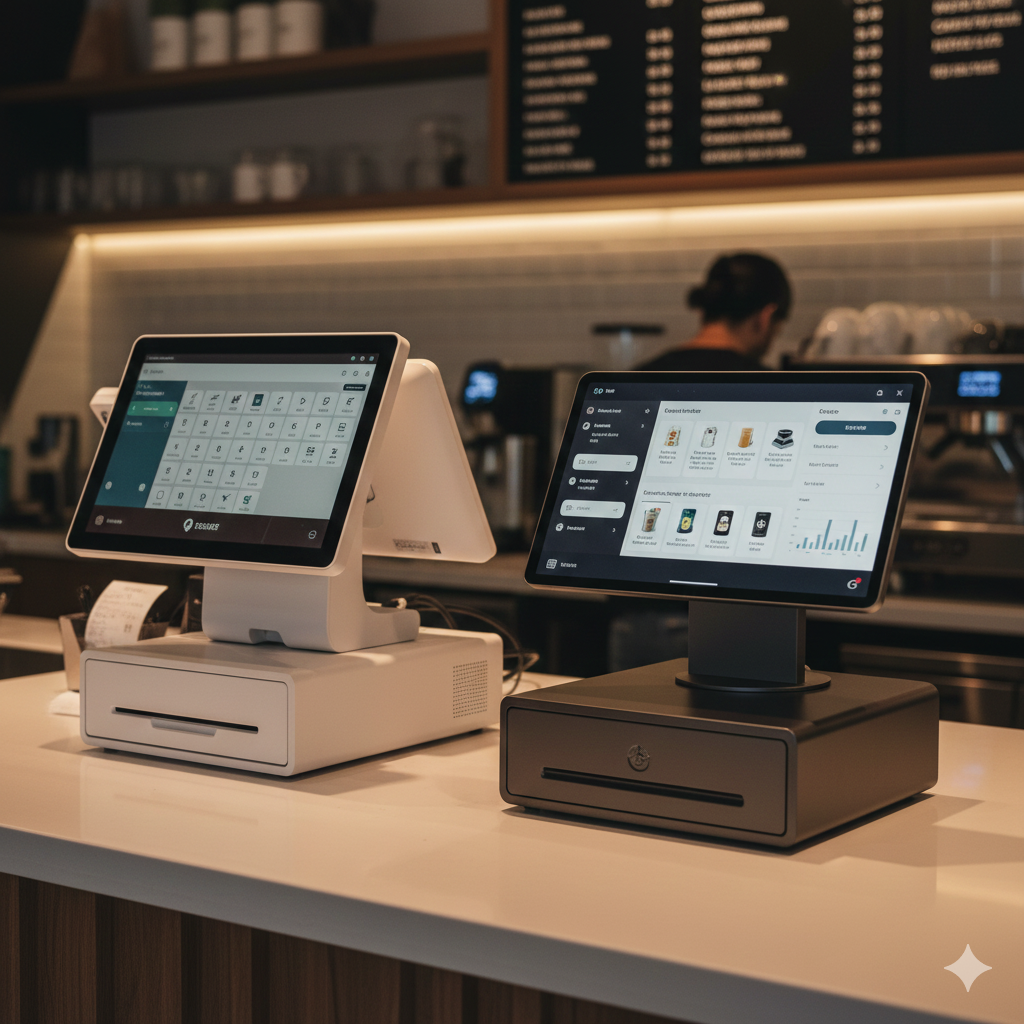

In today’s competitive business landscape, technology is no longer just a support system—it’s the backbone of daily operations. One of the most critical tools for any retail, restaurant, or service-based business is the Point of Sale (POS) system. While many businesses start with generic, off-the-shelf POS software, they often reach a point where limitations begin to slow growth.
This is where custom POS systems stand apart.
Unlike generic POS solutions designed for the masses, custom POS systems are built specifically for your business model, workflows, and long-term goals. They don’t force your operations to adapt to software limitations—instead, the software adapts to you.
In this article, we’ll explore why custom POS systems are better than generic ones, how they support scalability, and why they are becoming a strategic investment for businesses aiming for long-term success.
Understanding the Difference Between Custom and Generic POS Systems
What Is a Generic POS System?
A generic POS system is a pre-built, ready-to-use solution designed to serve a broad range of industries. These systems come with standard features like billing, inventory tracking, and basic reporting.
While generic POS systems are affordable and quick to deploy, they are often limited in flexibility and customization.
What Is a Custom POS System?
A custom POS system is designed and developed specifically for your business needs. Every feature—from the user interface to integrations—is tailored to match your workflows, customer journey, and operational requirements.
Instead of adjusting your processes to fit the software, a custom POS system is built to fit your business from day one.
Why Custom POS Systems Are Better Than Generic Ones for Growing Businesses
Built Around Your Unique Business Workflow
Every business operates differently. A clothing retailer, a multi-location restaurant, and a service provider all have unique operational needs.
Generic POS systems offer a “one-size-fits-all” approach, which often leads to unnecessary features and missing functionality. Custom POS systems, on the other hand, are designed around your exact workflow.
Benefits include:
- Faster staff operations
- Reduced training time
- Fewer manual workarounds
- Increased employee productivity
When software works the way your team thinks, efficiency naturally improves.
Need Help With Your Marketing or Website?
Not getting enough leads or sales? Get a free consultation and discover how to improve your website and marketing.
- Find out what may be stopping visitors from contacting you
- Discover where your website or marketing could perform better
- Get clear recommendations to improve leads, calls, and conversions
Custom POS Systems Improve Operational Efficiency
Eliminating Redundant Tasks
Generic POS solutions often require manual processes outside the system—spreadsheets, third-party apps, or repetitive data entry.
Custom POS systems automate these processes by integrating everything into a single platform.
Examples:
- Automated inventory updates after each sale
- Real-time synchronization between stores
- Integrated supplier management
This reduces human error and frees your staff to focus on customer experience.
Scalability: Custom POS Systems Grow With Your Business
Designed for Expansion
One of the biggest disadvantages of generic POS systems is scalability. As your business grows, you may encounter:
- User limitations
- Slow performance
- High costs for add-on features
Custom POS systems are built with growth in mind. Whether you’re adding new locations, new product categories, or new sales channels, the system evolves alongside your business.
Supporting Multi-Location Operations
Custom POS software can seamlessly manage:
- Centralized inventory
- Location-specific pricing
- Role-based employee access
- Unified reporting dashboards
This level of control is difficult to achieve with off-the-shelf solutions.
Better Integration With Existing Business Tools
Seamless Third-Party Integrations
Most businesses rely on multiple software tools—accounting systems, CRM platforms, eCommerce websites, and loyalty programs.
Generic POS systems often offer limited or paid integrations. Custom POS systems are designed to integrate seamlessly with your existing tech stack.
Common integrations include:
- Accounting software
- ERP systems
- Online ordering platforms
- Payment gateways
- Customer loyalty systems
This creates a unified ecosystem where data flows smoothly across departments.
Enhanced Data Accuracy and Real-Time Reporting
Smarter Business Decisions With Custom Analytics
Generic POS systems provide standard reports that may not reflect your key performance indicators (KPIs).
Custom POS systems deliver tailored analytics dashboards that focus on what matters most to your business.
Custom reports can include:
- Profit margins by product or category
- Peak sales hours
- Employee performance tracking
- Customer purchasing behavior
With real-time data, decision-making becomes faster and more accurate.
Improved Customer Experience Through Custom POS Solutions
Personalized Customer Interactions
Today’s customers expect personalization. Generic POS systems often lack advanced customer profiling features.
Custom POS systems can store detailed customer data, including:
- Purchase history
- Preferences
- Loyalty points
- Personalized discounts
This enables businesses to offer tailored promotions, improving customer retention and lifetime value.
Higher Security and Compliance Standards
Stronger Data Protection
Security is a major concern when handling customer and payment data. Generic POS systems are common targets for cyberattacks because they are widely used.
Custom POS systems offer enhanced security through:
- Customized encryption protocols
- Controlled access levels
- Secure cloud or on-premise deployment
Additionally, custom solutions can be built to comply with industry regulations such as PCI-DSS and local data protection laws.
Reduced Long-Term Costs and Better ROI
Lower Total Cost of Ownership
While custom POS systems may require a higher initial investment, they often result in lower long-term costs.
Generic POS systems usually involve:
- Monthly subscription fees
- Paid add-ons
- Upgrade costs
- Feature limitations
Custom POS systems eliminate unnecessary expenses and deliver better ROI by aligning precisely with business needs.
Faster Performance and System Stability
Optimized for Your Business Size
Generic systems serve thousands of users, which can lead to slowdowns during peak hours.
Custom POS systems are optimized specifically for your transaction volume and operational scale, resulting in:
- Faster checkout times
- Reduced system crashes
- Improved reliability
This stability directly impacts customer satisfaction and sales performance.
Custom POS Systems Support Omnichannel Selling
Unified Online and Offline Sales
Modern businesses sell across multiple channels—physical stores, websites, mobile apps, and marketplaces.
Custom POS systems can unify all sales channels into a single platform, ensuring:
- Consistent pricing
- Centralized inventory
- Accurate sales tracking
This omnichannel capability is essential for businesses aiming to deliver a seamless customer experience.
Branding and User Experience Customization
Reflecting Your Brand Identity
Generic POS interfaces often look identical across businesses.
Custom POS systems allow full UI/UX customization, including:
- Brand colors and logos
- Intuitive layouts
- Role-specific dashboards
A branded POS system reinforces professionalism and enhances employee confidence.
Ongoing Flexibility and Feature Enhancement
Adapt Quickly to Market Changes
Business needs change over time. With a custom POS system, you’re not dependent on a vendor’s update schedule.
New features can be added as needed, allowing your business to:
- Adapt to customer behavior
- Introduce new services
- Respond to industry trends
This flexibility gives you a competitive edge.
Why Custom POS Systems Are a Strategic Investment
Custom POS systems are not just software—they are long-term business assets. They provide:
- Greater control
- Improved efficiency
- Enhanced customer experience
- Better scalability
For businesses planning sustainable growth, a custom POS system becomes a strategic decision rather than a technical one.
Final Thoughts: Choosing the Right POS System for Long-Term Success
Generic POS systems may work for small or early-stage businesses, but as operations become more complex, their limitations become clear.
Custom POS systems empower businesses to operate smarter, scale faster, and deliver superior customer experiences. They align technology with business goals, not the other way around.
If you’re looking to future-proof your operations and gain a competitive advantage, investing in a custom POS system is no longer optional—it’s essential.