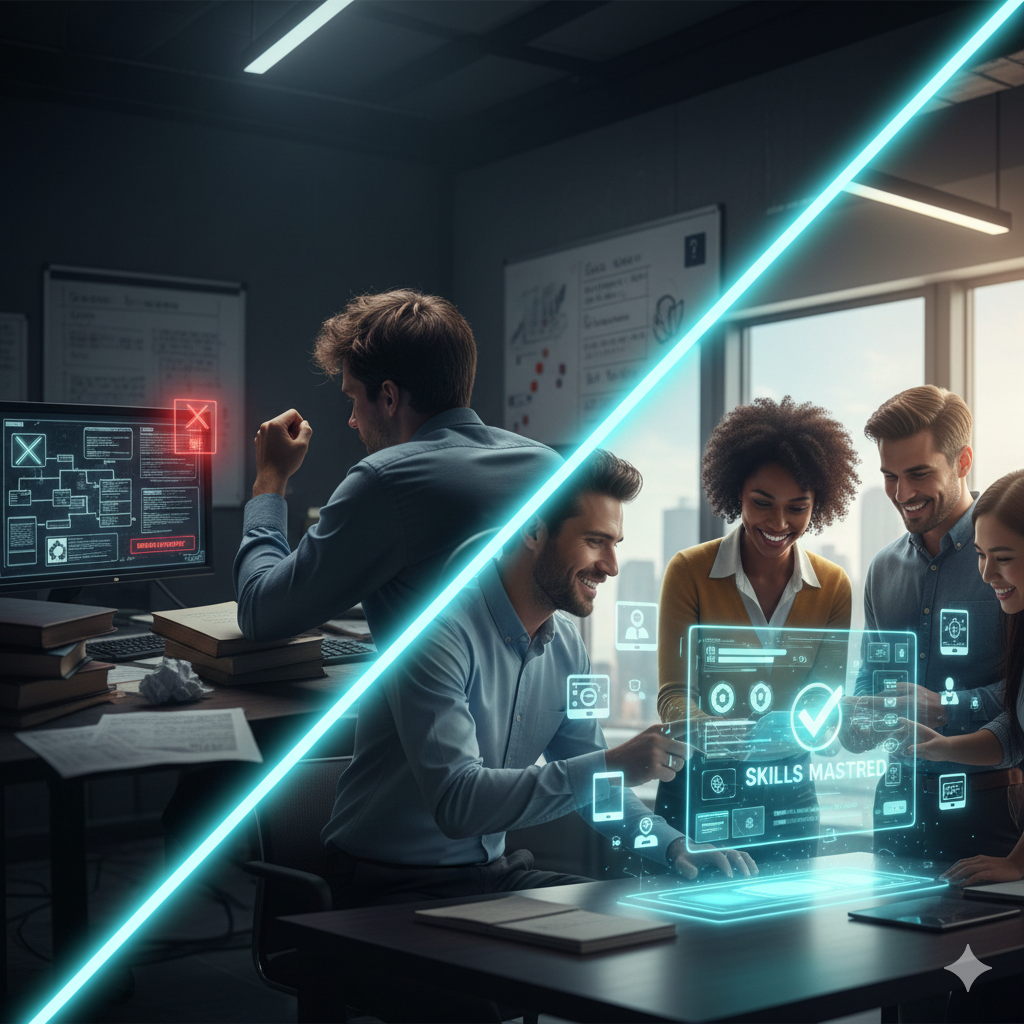

In the last decade, digital learning has undergone a dramatic shift. What was once dominated by generic, one-size-fits-all learning management systems is now being reshaped by custom learning platforms—solutions designed around the unique goals, workflows, and audiences of each organization. As the workforce becomes more digitally savvy and businesses strive for efficiency, the need for more personalized, flexible, and scalable learning ecosystems has never been greater.
This rising demand is not a trend sparked solely by technological advancement. Instead, it reflects a broader realization: learning is most effective when it directly aligns with real-world needs and individual learning behaviors. In this blog, we explore the many reasons custom learning platforms are becoming the top choice for companies, educational institutions, and training organizations—and what the future holds for this fast-evolving space.
1. The Shift from Generic to Personalized Learning Experiences
Traditional LMS platforms were built to standardize training, not personalize it. While they serve a purpose, they often lack flexibility and intuitive user experience.
Custom learning platforms are winning because they offer:
- Adaptive learning paths based on user skill level
- Customizable design aligned with brand identity
- Integration with existing tools like HR systems, CRMs, or productivity apps
- Personalized content recommendations based on performance data
Learners today expect digital experiences similar to what they find on modern apps: clean design, personalized suggestions, seamless navigation, and content tailored to their interests. Custom platforms can integrate AI-driven personalization to make learning feel relevant rather than repetitive.
2. Organizations Need Platforms That Fit Their Workflows
Every business has its own processes, training requirements, and performance metrics. A generic LMS often forces companies to adapt to the software rather than the other way around.
Custom platforms can be designed to:
- Mirror internal workflows
- Support role-based training flows
- Integrate onboarding, compliance, and skill development under one roof
- Provide dashboards aligned with business-specific KPIs
This flexibility allows companies to streamline operations and eliminate the friction that often comes with "boxed" learning systems.
Need Help With Your Marketing or Website?
Not getting enough leads or sales? Get a free consultation and discover how to improve your website and marketing.
- Find out what may be stopping visitors from contacting you
- Discover where your website or marketing could perform better
- Get clear recommendations to improve leads, calls, and conversions
3. Demand for Skill-Based Learning Is Rising Rapidly
With industries evolving at record speeds, employers need teams who can learn new skills faster. Skill-based learning, microlearning, and competency-based training are becoming core learning strategies.
Custom platforms allow organizations to:
- Build upskilling pathways tailored to specific roles
- Track competency progress with real-time analytics
- Offer bite-sized microlearning modules that boost retention
- Align training programs with industry skill frameworks
As employees push for career development and organizations aim to fill skill gaps, custom learning ecosystems make continuous learning more accessible and engaging.
4. Data-Driven Decision-Making Is Now a Priority
Companies increasingly want analytics that help them understand learner performance, training effectiveness, and skill readiness.
Custom platforms can incorporate advanced analytics features like:
- AI-powered learning insights
- Personalized performance tracking
- Predictive analytics for identifying at-risk learners
- Compliance tracking and automated reporting
These data capabilities empower leaders to make informed decisions about workforce development and training investments.
5. Remote and Hybrid Work Models Make Custom Learning Essential
Remote work is no longer a temporary trend. With distributed teams becoming the norm, organizations need digital learning platforms capable of supporting flexible, on-demand training.
Custom learning platforms excel in this area by offering:
- Mobile-first training modules
- Social learning features like forums, live chats, and peer collaboration
- Blended learning tools for both virtual and in-person training
- 24/7 access regardless of time zone or location
These features help create a unified learning culture—even when employees are scattered across the globe.
6. Better Engagement Through Modern UX and Gamification
Learner engagement is one of the toughest challenges in digital training. Custom platforms integrate modern UX and gamification tools that encourage learners to stay motivated.
This often includes:
- Achievement badges
- Leaderboards
- Interactive quizzes
- Scenario-based simulations
- Personalized reminders
Engaged learners retain information longer, perform better, and complete training at higher rates—making the investment in custom design worthwhile.
7. Enhanced Integration Capabilities
Organizations use dozens of digital tools daily—from HR software to project management platforms. Custom learning platforms can be engineered to integrate seamlessly with these systems.
Common integrations include:
- HRIS and payroll systems
- CRMs like Salesforce
- Video conferencing tools
- eCommerce systems
- Content libraries and authoring tools
This level of integration creates a smoother learning experience and eliminates manual processes for administrators.
8. Growing Need for Scalable, Future-Ready Infrastructure
As companies grow, their learning needs evolve. Off-the-shelf LMS platforms often struggle to scale without extra costs or technical limitations.
Custom platforms offer:
- Flexible architecture designed for long-term expansion
- Unlimited customization options
- Cloud-based infrastructures that support large user volumes
This scalability ensures the platform grows as the organization grows—protecting long-term investment.
9. Competitive Advantage Through a Stronger Learning Culture
Organizations that invest in tailored learning solutions often see measurable improvements in performance metrics, including:
- Higher employee retention
- Increased productivity
- Better customer satisfaction
- Faster onboarding
- Stronger leadership pipelines
A strategic, customized learning ecosystem becomes a competitive advantage—not just an operational tool.
10. The Future: AI, Predictive Learning, and Hyper-Personalization
The demand for custom learning platforms is expected to continue rising as emerging technologies reshape the digital learning landscape.
Future-ready platforms will incorporate:
- Advanced AI tutors guiding learners in real time
- Hyper-personalized learning paths
- VR-based training modules
- Automated content generation
- Predictive skill development analytics
Organizations that adopt custom platforms now position themselves to take full advantage of these advanced learning technologies.
Conclusion
Custom learning platforms are more than a trend—they are becoming a critical strategy for organizations that want to build stronger, smarter, more agile teams. Their rising demand is driven by the need for personalization, adaptability, data insights, and a more modern approach to learning.
As the future of work continues to evolve, the ability to offer meaningful, flexible, and engaging learning experiences will be a major differentiator for businesses worldwide. Custom platforms provide that edge, giving both learners and leaders the tools they need to thrive.