
1. Begin with a Clean, Trust‑First Homepage
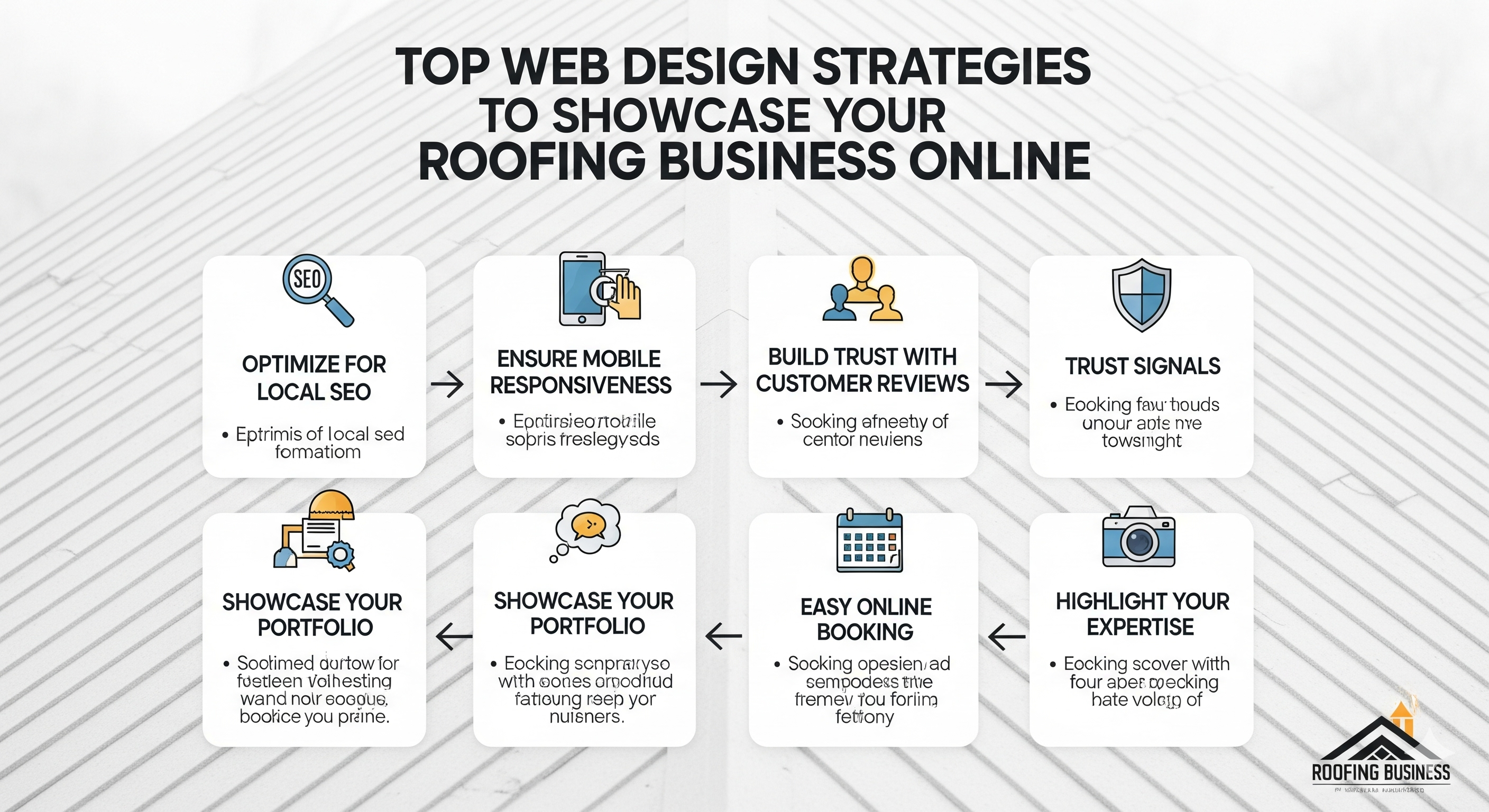
Your homepage is the first impression—make it count. Feature a hero banner showcasing your best roofing project, overlaid with a friendly, trust‑building tagline like “Protecting Your Home, One Roof at a Time.” Add credentials such as “BBB A+,” “Licensed & Insured,” or “20+ Years of Experience” to instantly build credibility.
2. Highlight Services with Visual Clarity
Need Help With Your Marketing or Website?
Not getting enough leads or sales? Get a free consultation and discover how to improve your website and marketing.
- Find out what may be stopping visitors from contacting you
- Discover where your website or marketing could perform better
- Get clear recommendations to improve leads, calls, and conversions
Use bold, icon‑based formats to break your services into digestible chunks—e.g., “Residential Roofing Repairs,” “Roof Replacement & Installation,” “Emergency Leak Fixes,” and “Roof Inspections.” Pair each with a high-quality photo or before‑and‑after slider; visuals speak louder than words.
3. Leverage Local SEO & Geo‑Targeting
Integrate location markers (e.g. “Serving Davao Region & Surrounding Provinces”) in headers, image alt‑texts, and service pages. Embed a Google Map snippet with office and service areas. These details help your site rank when customers in your area search for “roofing services in Davao” or “roof repair near me.”
4. Showcase Real Projects with Case Studies
Create a “Featured Projects” section. Each case study should include:
- Scope of the job (e.g. “Leaky corrugated steel roof in Barangay Buhangin”)
- Challenge faced (“Multiple unsealed joints leading to water damage”)
- Solution delivered (e.g. “Resealed, replaced flashing, coated roof surfaces”)
- Result (“Zero leaks after 6-month warranty period”)
Include compelling images and perhaps even a video testimonial from the homeowner for authenticity.
5. Build Trust with Reviews & Certifications
Insert a “What Our Customers Say” carousel featuring short, genuine-sounding reviews: “Juan D. – ‘Fast, clean, and courteous—highly recommend!’” Add badges like “PhilGeps Registered” or “Member, Philippine Roofing Association.”
6. Streamline Conversion with Clear CTAs
Ensure every page includes a clear, consistent Call to Action—such as “Request a Free Roof Inspection” or “Get a No‑Obligation Quote.” Use bright buttons (“Book Now,” “Call Us”) and position them in visible spots: hero area, mid‑page, and footer.
7. Optimize Page Load & Mobile Experience
Roof‑service customers often view your site on smartphones. Use fast‑loading images and a responsive design so navigation remains smooth. Keep menus simple: Home, Services, Projects, About, Contact.
8. Educate with Helpful Resources
Set up a “Roofing Tips & Insights” blog. Cover seasonal topics like “Preparing Your Roof for Typhoon Season” or “Signs You Need Roof Maintenance vs Replacement.” Well‑written posts show expertise and help your site rank for common roofing questions.
9. Use Trust‑Building “About Us” Content
Share a human story—e.g., “Founded in 2005 by Engr. Garcia, we’re a family-run team passionate about safeguarding homes.” Add a team photo or shot of your crew at work to make the business feel approachable.
10. Ensure Easy Contact & Follow‑Up
At the footer, include a quick contact form, phone number, email, and a short note: “Expect a callback within 24 hours.” Also, link to your Facebook or Google Business profile for customers who prefer social.
Summary
By combining clean visuals, local SEO, real-world examples, customer trust elements, and strong calls to action—all wrapped in a mobile-responsive, quick-loading design—your roofing business website will not only look professional but also convert visitors into loyal customers. This human-centered approach sets you apart from AI-generic templates.