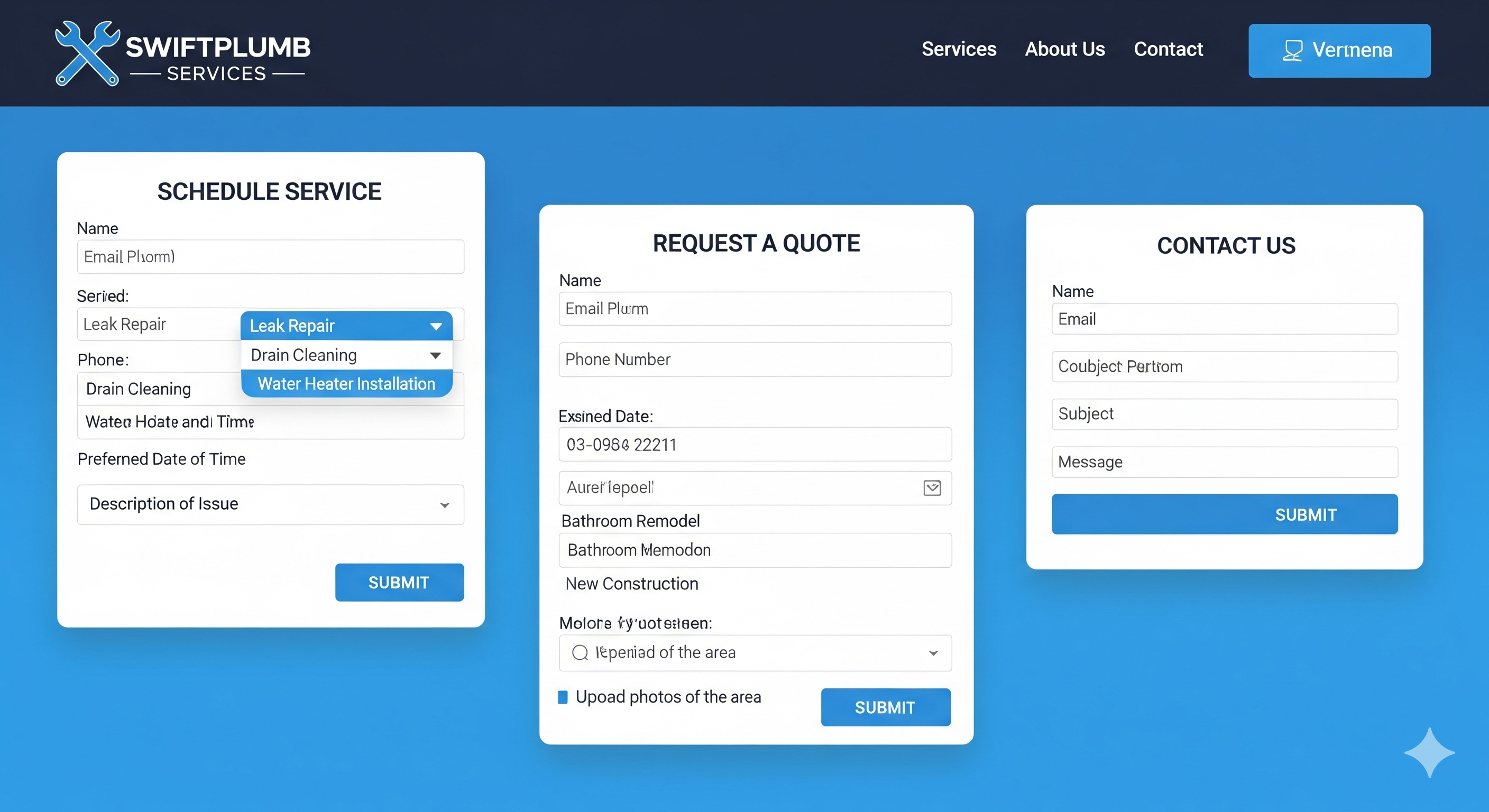

If you run a plumbing business, you know that getting quality leads online is essential for steady growth. Your website is often the first interaction a potential customer has with your brand, and your website forms play a crucial role in converting visitors into real, actionable leads. However, poorly designed forms can invite nothing but spam, irrelevant inquiries, or worse—drive customers away. So, how can you build plumbing website forms that bring new leads, not spam?
In this comprehensive guide, we’ll explore everything you need to know about creating effective, lead-generating plumbing website forms. From design and user experience to anti-spam tactics and lead nurturing strategies, you’ll get actionable insights to transform your website into a lead magnet.
Why Plumbing Website Forms Are Critical for Your Business Growth
When someone needs a plumber, they usually want quick, straightforward help. Your plumbing website forms are the gateway to providing that help. A well-crafted form lets potential customers request quotes, schedule appointments, or ask questions—all vital steps in turning casual visitors into paying clients.
The Role of Website Forms in Lead Generation for Plumbing Services
Forms are more than just fields and buttons—they are tools that qualify leads and initiate conversations. Unlike phone calls that might go unanswered or emails that get lost, a website form can capture important information quickly and efficiently, allowing you to respond promptly.
Need Help With Your Marketing or Website?
Not getting enough leads or sales? Get a free consultation and discover how to improve your website and marketing.
- Find out what may be stopping visitors from contacting you
- Discover where your website or marketing could perform better
- Get clear recommendations to improve leads, calls, and conversions
The Cost of Poorly Designed Plumbing Website Forms
Poorly designed forms can discourage visitors, lead to low submission rates, or attract spam bots. This means wasted marketing efforts and lost revenue. Plus, sifting through irrelevant submissions wastes your team's valuable time.
Key Elements of High-Converting Plumbing Website Forms
What makes a plumbing website form effective? Let’s break down the essential components that optimize forms for lead generation:
Clear and Concise Form Headings That Set Expectations
Your form headline should immediately communicate its purpose. Examples:
“Request a Free Plumbing Quote Today”
“Schedule Your Emergency Plumbing Service”
“Get Your Plumbing Issue Diagnosed—Contact Us Now”
Clear headings build trust and reduce confusion.
Minimal and Relevant Form Fields
Asking for too much information upfront can discourage submissions. Stick to essential fields such as:
Name
Phone number
Email address
Brief description of the plumbing issue
Preferred appointment time (optional)
User-Friendly Layout and Design
Forms should be mobile-optimized, with readable fonts, clear labels, and logical flow. A multi-step form can break down complex inquiries, improving completion rates.
Strong Call-to-Action (CTA) Buttons
Your CTA button text should be action-oriented and benefit-driven:
“Get My Free Quote”
“Book My Appointment Now”
“Speak with a Plumbing Expert”
Avoid generic phrases like “Submit” that don’t inspire action.
How to Prevent Spam From Flooding Your Plumbing Website Forms
Spam submissions are a common headache. Not only do they clog your inbox, but they also make it harder to identify genuine leads.
Use CAPTCHA and reCAPTCHA Tools
Google reCAPTCHA is a popular free tool that challenges suspicious users to prove they’re human. It’s effective and user-friendly.
Implement Honeypot Fields to Trap Bots
Honeypot fields are hidden form fields that humans don’t see or fill out. Bots typically fill all fields, triggering spam filters.
Enable Email Verification for Submitted Leads
Send an automatic confirmation email that requires users to verify their email address before you treat them as serious leads.
Limit Form Submissions Per IP Address
Restrict multiple form submissions from the same IP to reduce spam bots or prank submissions.
Examples of Plumbing Website Form Templates That Generate Real Leads
Here are some real-world examples of form templates designed for plumbing websites to help inspire your own:
- Simple Contact Form for Quick Plumbing Help
Name (Required)
Phone Number (Required)
Email (Required)
Plumbing Issue Description (Required)
Preferred Contact Time (Optional)
[CTA: Get Help Now]
- Emergency Plumbing Service Request Form
Name (Required)
Phone Number (Required)
Address of Service (Required)
Description of Emergency (Required)
Best Time to Call (Optional)
[CTA: Request Immediate Assistance]
- Free Plumbing Inspection Booking Form
Name (Required)
Email (Required)
Phone Number (Required)
Preferred Date and Time for Inspection (Required)
Notes (Optional)
[CTA: Book My Free Inspection]
Best Practices for Plumbing Website Form Placement to Maximize Lead Conversion
Where you place your forms on the website is just as important as how they look.
Place Forms Above the Fold on Key Pages
Ensure your contact or quote request forms are visible without scrolling on your homepage, services pages, and landing pages.
Use Exit-Intent Popups with Special Offers
When visitors are about to leave your site, popups offering discounts or free estimates can capture last-minute leads.
Embed Forms in Blog Posts About Plumbing Tips
Readers engaged with your content are more likely to convert when offered a relevant form, e.g., “Need help? Contact us for expert plumbing advice.”
Include Contact Forms in Footer and Sidebar Widgets
Always give visitors easy access to contact forms from any page on your website.
How to Follow Up with Plumbing Leads Collected From Website Forms
Capturing leads is just step one—how you follow up determines whether the lead turns into a paying customer.
Send Instant Auto-Reply Emails
Thank visitors immediately and let them know when to expect a personal follow-up. This builds trust and sets clear expectations.
Use CRM Integration to Manage Leads Efficiently
Integrate your website forms with a Customer Relationship Management (CRM) system to organize, track, and nurture leads without manual entry.
Personalize Follow-Up Communications
Use the information submitted to tailor your follow-up messages. For example, mention the specific plumbing issue they described.
Provide Multiple Contact Options
Include your phone number, email, and even chat options to make it easy for leads to respond.
How Optimizing Your Plumbing Website Forms Can Improve SEO and Business Visibility
Optimized forms don’t just improve lead capture—they contribute to your website’s search engine ranking.
Faster Load Times Enhance User Experience and SEO
Lightweight forms that load quickly reduce bounce rates and improve Google rankings.
Using Schema Markup for Local Plumbing Services
Schema markup on forms helps search engines understand your contact information, improving local SEO and appearing in Google Maps.
Collecting User Data for Local Keyword Insights
Form submissions provide real customer data you can use to refine your keyword strategy and tailor content.
Common Mistakes to Avoid When Designing Plumbing Website Forms
Even small errors can derail your lead generation efforts. Watch out for these common pitfalls:
Overwhelming Visitors with Too Many Fields
More fields mean more friction. Keep it simple and only ask for necessary information.
Not Testing Forms Across Devices and Browsers
Make sure your forms work seamlessly on mobile phones, tablets, and all browsers.
Using Generic CTAs That Don’t Inspire Action
Always use compelling, specific CTA text.
Ignoring Privacy and Data Protection Regulations
Include a privacy policy and obtain consent where required by law (e.g., GDPR) to build trust.
The Future of Plumbing Website Forms: Trends to Watch
Technology keeps evolving, and your forms should too.
Chatbots and AI-Powered Conversational Forms
Instant responses powered by AI can help pre-qualify leads and answer common questions 24/7.
Video Integration in Forms for Personalized Interaction
Short introductory videos on forms can increase trust and engagement.
Voice-Activated Form Submissions
Voice technology will allow hands-free submissions, especially useful in emergencies.
Conclusion: Building Plumbing Website Forms That Convert and Protect Your Business
Your plumbing website forms are critical touchpoints that directly impact your lead generation success. By designing clear, concise, user-friendly forms optimized to prevent spam, you can attract high-quality leads and grow your business effectively. Remember to place forms strategically, follow up promptly, and keep refining based on performance data.
If you want your plumbing website forms to bring new leads—not spam—it’s time to invest in smart design, reliable technology, and consistent lead nurturing strategies. Start implementing these best practices today and watch your plumbing business thrive!