

In today’s fast-paced digital world, first impressions are everything. Users have limited attention spans, and websites that are cluttered, slow, or confusing often fail to retain visitors. Enter minimalist website design—a design philosophy that emphasizes simplicity, clarity, and purpose. But what makes minimalist websites so effective, and why is “less” actually more when it comes to modern web design?
This article explores the principles, benefits, and practical strategies behind minimalist website design, helping businesses and designers create websites that are not only visually appealing but also highly functional.
What Is Minimalist Website Design?
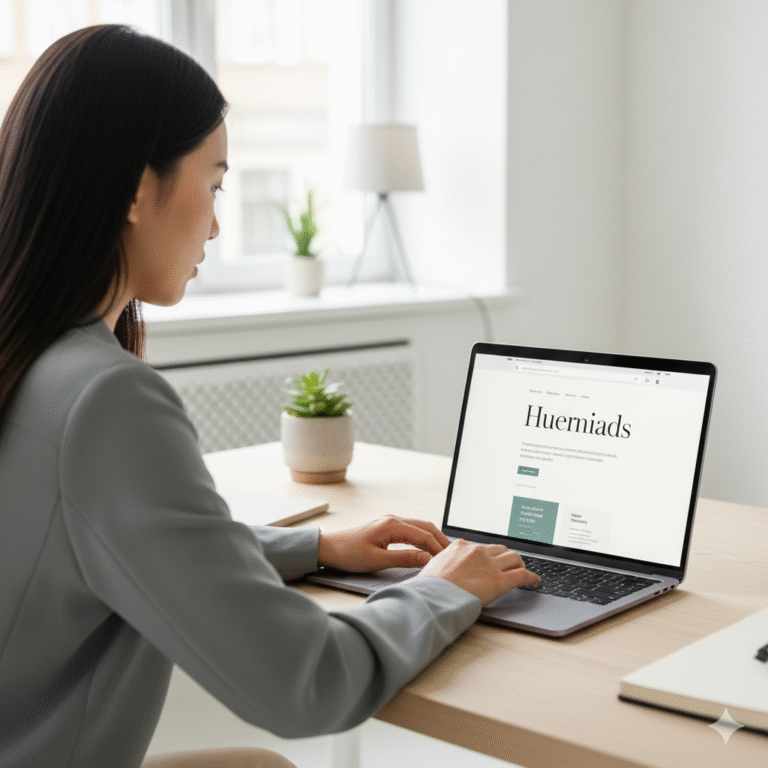
Minimalist website design is all about simplicity. It focuses on removing unnecessary elements, using clean layouts, and emphasizing content. Instead of overwhelming visitors with excessive colors, animations, or text, minimalist websites aim to deliver a clear message and seamless user experience.
Key elements of minimalist design include:
- Ample white space: Let your content breathe and improve readability.
- Limited color palette: Stick to neutral colors with one or two accent shades.
- Clear typography: Use fonts that are easy to read and consistent across the site.
- Functional simplicity: Every design element should have a purpose.
Why Minimalism Works in Web Design
1. Improves User Experience (UX)
A minimalist design reduces distractions, helping users focus on what truly matters. Clear navigation and uncluttered pages make it easier for visitors to find information and take action.
2. Faster Loading Speeds
Less content and fewer heavy graphics mean websites load faster. Fast-loading sites improve SEO rankings and keep users engaged.
3. Enhances Brand Perception
A clean and modern design reflects professionalism and builds trust. Minimalist websites often convey sophistication, elegance, and clarity.
4. Focuses Attention on Content
By removing unnecessary clutter, minimalist design draws attention to the most important elements, such as calls to action, products, or services.
5. Timeless Appeal
Unlike trendy, overly decorative designs, minimalism has a timeless quality that keeps websites looking fresh and relevant for years.
Need Help With Your Marketing or Website?
Not getting enough leads or sales? Get a free consultation and discover how to improve your website and marketing.
- Find out what may be stopping visitors from contacting you
- Discover where your website or marketing could perform better
- Get clear recommendations to improve leads, calls, and conversions
Key Principles of Minimalist Web Design
1. Embrace White Space
White space isn’t wasted space—it’s a strategic tool. It allows elements to stand out, improves readability, and creates a sense of elegance.
2. Simplify Navigation
Complex menus confuse users. Minimalist websites use intuitive navigation structures, like single-level menus, simple icons, and sticky headers.
3. Use Limited Color Palettes
Stick to a few harmonious colors. A simple palette reduces visual noise and helps key elements stand out.
4. Prioritize Typography
Readable, consistent fonts enhance clarity. Choose a combination of a primary font for headings and a secondary font for body text.
5. Optimize for Mobile
Minimalist design translates well to mobile devices. Fewer elements mean faster loading times and better responsiveness.
6. Focus on Essential Features
Every element on the page should serve a purpose. Remove unnecessary widgets, animations, or banners that don’t contribute to the user journey.
Practical Tips to Implement Minimalist Design
- Conduct a website audit and remove clutter.
- Choose a simple grid layout for consistency.
- Limit your color scheme to 2-3 colors.
- Use high-quality images sparingly.
- Include clear calls to action (CTAs).
- Make buttons and links obvious and functional.
- Optimize all content for mobile-first design.
- Prioritize fast-loading media (compressed images, lightweight scripts).
- Focus on one main message per page.
- Maintain visual hierarchy with size, spacing, and contrast.
Examples of Minimalist Website Design Done Right
Some of the world’s most recognized brands leverage minimalism effectively:
- Apple: Clean, spacious layouts with high-quality visuals.
- Dropbox: Simple homepage focusing on the product benefits.
- Squarespace: Minimal design highlighting templates and creativity.
- Everlane: Fashion e-commerce with crisp imagery and clear navigation.
Common Mistakes to Avoid
- Overusing white space, making the site feel empty.
- Using too few colors, resulting in a dull design.
- Neglecting mobile optimization.
- Prioritizing aesthetics over usability.
- Ignoring accessibility standards (color contrast, readable fonts).
The Bottom Line
Minimalist website design is more than a trend—it’s a strategy to enhance user experience, brand perception, and conversion rates. By stripping away unnecessary elements, focusing on essential content, and leveraging simplicity, businesses can create websites that are elegant, fast, and effective.
Remember: In web design, less truly is more. A minimalist approach allows your content and message to shine, leaving a lasting impression on your visitors.