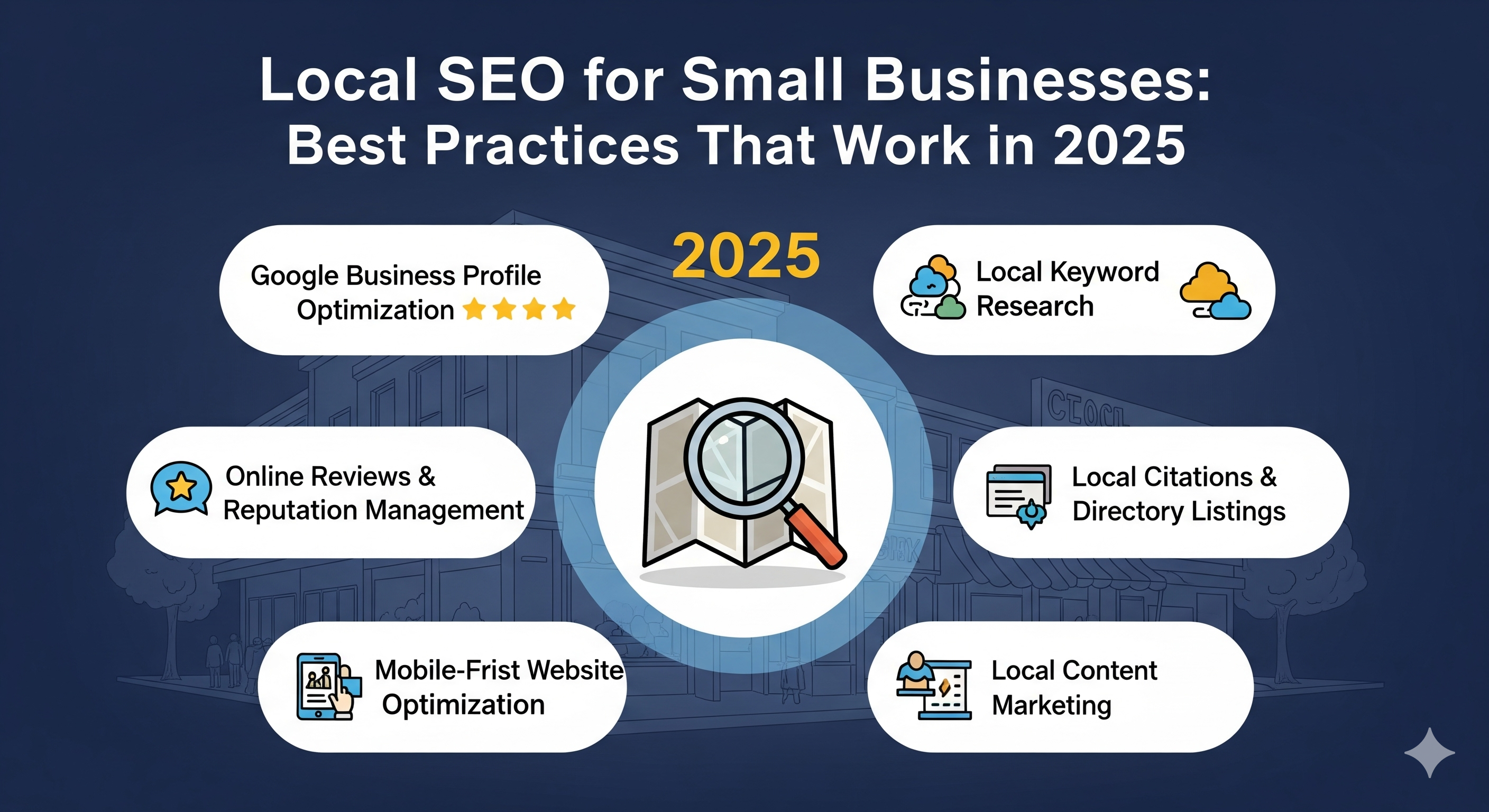

In today’s digital age, local SEO has become a cornerstone of business growth, especially for small businesses. As more consumers turn to search engines like Google to find products, services, and solutions nearby, your business needs to be visible in local search results. If you're looking to boost your online presence and increase foot traffic, optimizing for local SEO is non-negotiable. Let’s explore some of the best local SEO practices that will work for small businesses in 2025 and beyond.
Understanding Local SEO in 2025: Why It’s Crucial for Small Businesses
Local SEO is a set of strategies designed to help businesses appear in search results for users who are searching for products or services in a specific geographic area. As mobile searches continue to rise and consumers demand more personalized, location-based results, local SEO is becoming more important than ever.
In 2025, Google’s algorithms have become more sophisticated, emphasizing local intent, location proximity, and relevant content. Businesses that prioritize local SEO can not only appear in search results but also become more discoverable by people in their neighborhood or city. From Google My Business to optimized location pages, these best practices can put your business on the map.
1. Optimize Your Google My Business (GMB) Listing
Your Google My Business (GMB) profile is one of the most important tools for local SEO. When a potential customer searches for your business or a related service in your area, Google will likely display your GMB listing alongside other local businesses. Here’s how to optimize it:
- Complete All Information: Fill out your GMB profile completely. This includes your business name, address, phone number, website URL, hours of operation, and services offered.
- Choose the Right Categories: Make sure you choose the correct business categories that align with what you offer. This will help Google understand the type of services you provide.
- Add Photos and Videos: Businesses with photos and videos get more engagement. Showcase your storefront, products, or services to build trust and credibility.
- Collect and Respond to Reviews: Encourage happy customers to leave reviews. Responding to both positive and negative reviews shows you care about customer feedback.
Need Help With Your Marketing or Website?
Not getting enough leads or sales? Get a free consultation and discover how to improve your website and marketing.
- Find out what may be stopping visitors from contacting you
- Discover where your website or marketing could perform better
- Get clear recommendations to improve leads, calls, and conversions
2. Ensure Your Website is Mobile-Friendly
With over 60% of searches now happening on mobile devices, ensuring that your website is optimized for mobile is essential. A mobile-friendly website isn’t just important for SEO – it also improves the user experience and can directly impact your business’s performance.
- Responsive Design: Your website should automatically adjust to the size of the user’s screen, whether it’s a smartphone, tablet, or desktop.
- Page Load Speed: Mobile users are less patient, and slow-loading pages can cause users to abandon your site. Use tools like Google PageSpeed Insights to check and optimize your site’s loading speed.
- Easy Navigation: Ensure that your website’s navigation is intuitive. Clear calls-to-action (CTAs) and an easy-to-find contact page will help users quickly find the information they need.
3. NAP Consistency Across Directories
NAP stands for Name, Address, and Phone Number. Consistency in how your business’s NAP appears across the web is a critical ranking factor for local SEO.
- Ensure Accuracy: Your NAP should be consistent on your website, Google My Business listing, social media profiles, and any online directories you’re listed on. Inconsistent information can confuse both users and search engines, which can negatively impact your rankings.
- Local Citations: Get listed in reputable local business directories, such as Yelp, Yellow Pages, and others. Having your business appear on multiple authoritative websites can strengthen your online presence and improve your local SEO.
4. Create Location-Specific Content
Creating location-specific content can help your business rank for local searches and provide valuable information to potential customers in your area.
- Local Landing Pages: If your business has multiple locations, create a unique page for each one. Include details such as the services offered at that location, customer testimonials, and relevant local keywords.
- Blog About Local Events or News: Writing blog posts about local happenings or how your business participates in community events can improve your local relevance.
- Local Keywords: Use long-tail keywords that incorporate your location. For example, instead of just "plumber," use "plumber in Dallas" or "emergency plumber near me."
5. Leverage Local Backlinks
Backlinks from local websites can have a powerful impact on your SEO. These local backlinks not only drive traffic but also help Google understand that your business is an active part of the local community.
- Partner with Local Organizations: Work with local charities, schools, or community groups and ask for backlinks from their websites.
- Local Sponsorships: Sponsoring local events or teams often leads to backlinks from the event’s website or social media profiles.
- Guest Blogging: Contributing guest blog posts to local websites or publications can also earn valuable local backlinks.
6. Use Structured Data (Schema Markup) for Local SEO
Incorporating schema markup into your website’s code can provide search engines with more context about your business, improving the chances of being featured in rich snippets or Google’s local pack.
- LocalBusiness Schema: Implement the LocalBusiness schema markup to indicate your business’s name, address, contact info, business hours, and more.
- Product or Service Schema: If you sell specific products or services, adding schema markup for these items can help your offerings appear in more search results.
7. Optimize for Voice Search
With the rise of voice-activated devices like Amazon Alexa, Google Assistant, and Apple’s Siri, voice search is becoming more prevalent, especially for local queries.
- Natural Language: People tend to use conversational language in voice searches. Focus on optimizing for long-tail, natural phrases like “best Italian restaurant near me” instead of just “Italian restaurant.”
- Question-Based Queries: Voice search often involves questions. Integrating question-based content into your website can help your business appear in voice search results.
8. Use Social Media to Build Local Engagement
While social media signals may not directly influence your local SEO rankings, it can certainly help build local brand awareness and engagement, which indirectly impacts your search visibility.
- Local Hashtags: Use local hashtags to promote your business in your city or region on platforms like Instagram or Twitter.
- Engage with Local Influencers: Collaborating with local influencers to promote your business can help build a strong local presence.
- Community Engagement: Join local groups on Facebook or LinkedIn and actively engage in conversations relevant to your industry.
9. Track Your Local SEO Performance
Lastly, monitoring the success of your local SEO efforts is crucial for continuous improvement. Use these tools to track your performance:
- Google Analytics: Track website traffic, conversions, and more to understand how visitors are interacting with your site.
- Google Search Console: Monitor your search performance, identify local keywords, and spot any errors on your website.
- Local SEO Tools: Platforms like Moz Local, Whitespark, and BrightLocal can help track your local SEO performance and provide insights on improving your visibility.
Conclusion: Stay Ahead of the Competition with Local SEO
In 2025, local SEO is more important than ever for small businesses. By focusing on optimizing your Google My Business listing, ensuring mobile-friendliness, creating local content, and building local backlinks, you can improve your chances of ranking higher in search results. Implementing these best practices will not only enhance your local visibility but also help you establish stronger connections with your community and attract more customers.
Remember, local SEO is an ongoing process, and keeping up with the latest trends and algorithms is crucial. With a consistent effort, your small business can thrive in the competitive local search landscape.