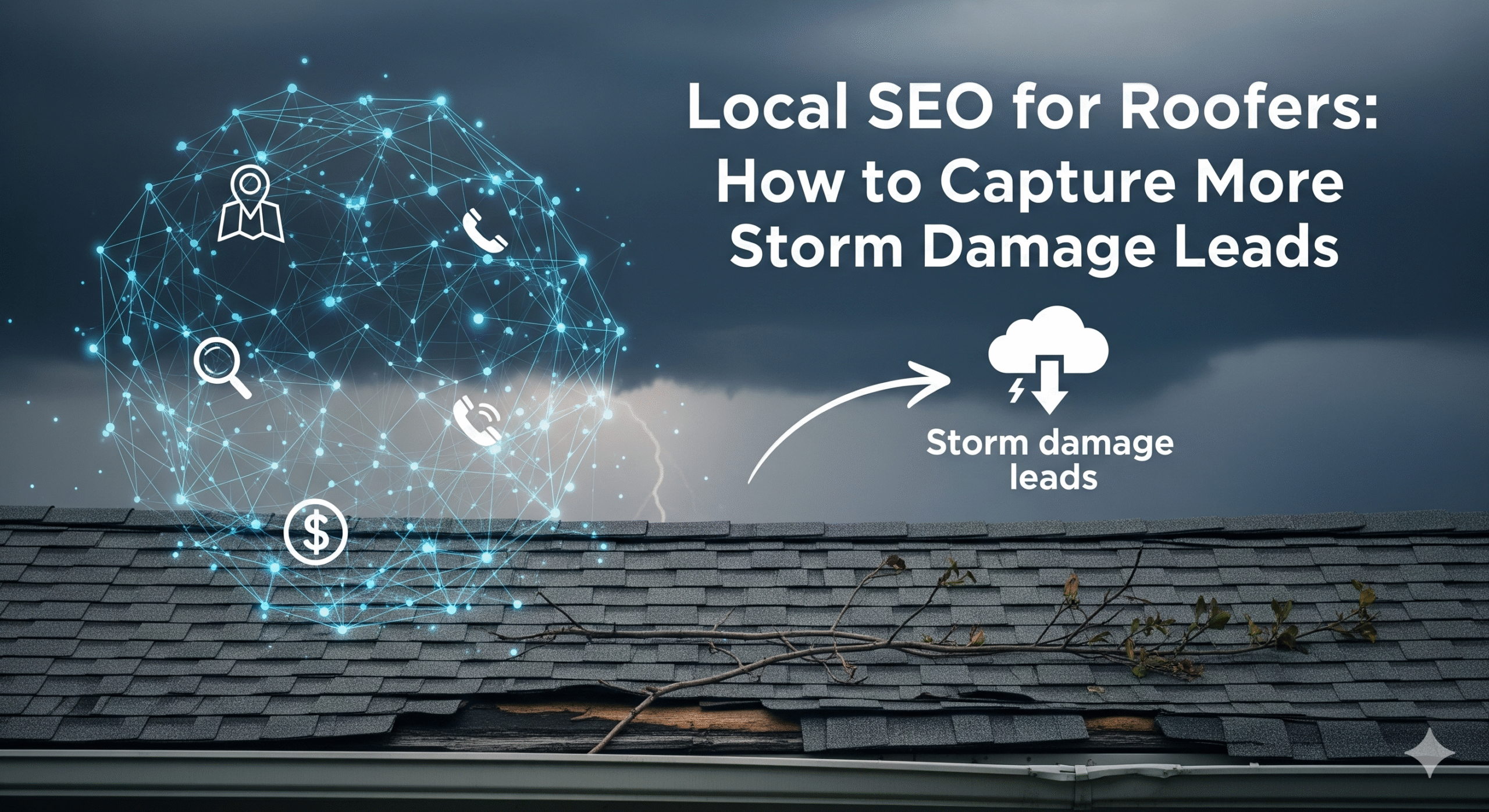

Storm damage leads are among the most lucrative for roofing businesses, but how do you capture these leads in an increasingly competitive local market? The answer lies in local SEO—optimizing your online presence for geographic relevance and attracting customers in your service area. In this blog post, we’ll explore how roofers can use local SEO strategies to increase visibility, generate storm damage leads, and ultimately grow their businesses.
Why Local SEO is Critical for Roofers Dealing with Storm Damage
As a roofer, you rely heavily on local customers. After a storm, homeowners are likely to search for roofing services near them. Without local SEO, your business may not show up when they search "roof repair near me" or "storm damage repair [City Name]." Local SEO ensures that your roofing business is visible when potential customers are actively looking for storm damage services.
Local SEO provides many benefits, including:
- Improved Online Visibility: Appear in local search results when customers search for services you offer.
- Increased Website Traffic: More people will visit your website as your business ranks higher in local searches.
- Better Conversion Rates: Local customers are more likely to contact businesses they find near them.
Understanding the Basics of Local SEO for Roofers
Before diving into advanced techniques, it's important to understand the basic components of local SEO. Local SEO focuses on optimizing your online presence for geographically-specific searches. It includes:
1. Google My Business Optimization
One of the most powerful tools for local SEO is your Google My Business (GMB) profile. This free tool allows you to control your business information on Google Search and Maps, making it easier for customers to find you.
Tips for Optimizing Your GMB Profile:
- Claim and Verify Your Listing: Make sure your business is claimed and verified on Google.
- Fill Out Your Profile Completely: Add your business name, address, phone number (NAP), website, hours of operation, and services.
- Choose Relevant Categories: Select the most relevant categories to your roofing business (e.g., “Roofing Contractor,” “Roof Repair,” “Storm Damage Repair”).
- Post Regular Updates: Use GMB posts to keep customers informed about new offers, promotions, or services.
- Encourage Reviews: Positive reviews from happy customers can boost your rankings in local search results and help build credibility.
2. Local Keyword Research for Roofers
For your business to rank in local searches, you need to target the right keywords. Instead of just focusing on generic terms like "roof repair," use long-tail keywords that include your location and services.
Example Long-Tail Keywords:
- “Roof repair after storm damage in [City Name]”
- “Best storm damage roofing contractor near me”
- “Emergency roof repair in [City Name]”
- “Affordable roof inspection for storm damage”
These keywords align with the specific queries that homeowners might enter when they need roofing services after a storm. Tools like Google Keyword Planner or Ahrefs can help you find the best local keywords for your area.
3. On-Page SEO for Roofing Websites
Once you have your list of local keywords, it's time to implement them on your website. On-page SEO refers to optimizing individual web pages to rank higher in search results. For roofers, the following tactics will help improve your rankings:
Key On-Page SEO Tips:
- Include Local Keywords in Key Places: Ensure that your target keywords appear in strategic places like the page title, headings, meta descriptions, and throughout the body content.
- Create Location-Specific Landing Pages: If you service multiple areas, create separate landing pages for each city or neighborhood. This helps target specific regions and improves local rankings.
- Optimize for Mobile: Many customers will search for roofing services from their mobile devices, especially after a storm. Make sure your website is mobile-friendly.
- Improve Page Load Speed: Fast-loading websites offer a better user experience, which can positively affect your rankings and customer conversion rates.
4. Build Local Backlinks to Your Roofing Website
Backlinks are one of the most important ranking factors for SEO. However, local backlinks are especially valuable for businesses targeting specific geographic areas.
How to Earn Local Backlinks:
- Get Listed in Local Directories: Websites like Yelp, Yellow Pages, and local Chamber of Commerce directories provide valuable backlinks.
- Partner with Local Organizations: Collaborate with local businesses, schools, or charities and ask them to link to your website.
- Sponsor Local Events: If your roofing company sponsors a local event, you can often get a link back from the event’s website.
5. Leverage Social Proof for Roofing Businesses
Storm damage roofing services are highly competitive, and consumers tend to trust businesses with strong reputations. Social proof—like online reviews and testimonials—can make a significant difference in whether a customer chooses your business or a competitor’s.
Tips to Build Social Proof:
- Encourage Customer Reviews: Ask satisfied customers to leave positive reviews on platforms like Google, Yelp, and Facebook.
- Respond to Negative Reviews: Address complaints professionally and offer solutions to show prospective customers that you care about customer satisfaction.
- Feature Testimonials on Your Website: Display positive feedback prominently on your website’s homepage or dedicated testimonial page.
Need Help With Your Marketing or Website?
Not getting enough leads or sales? Get a free consultation and discover how to improve your website and marketing.
- Find out what may be stopping visitors from contacting you
- Discover where your website or marketing could perform better
- Get clear recommendations to improve leads, calls, and conversions
Advanced Local SEO Strategies for Roofers
Now that you understand the basics, let’s dive into some more advanced strategies to capture storm damage leads and stand out from the competition.
1. Use Schema Markup for Local SEO
Schema markup is a type of structured data that you can add to your website to help search engines understand your content better. For local SEO, you can use LocalBusiness schema to specify information like your address, phone number, and services offered.
2. Optimize for Voice Search
With the growing use of voice assistants like Siri, Alexa, and Google Assistant, voice search is becoming increasingly important. People are now more likely to search for “roofing company near me” using voice commands. To optimize for voice search, focus on conversational keywords and create content that answers frequently asked questions.
3. Content Marketing for Roofers
Content marketing can help you build trust with local homeowners and rank for storm damage-related keywords. Write blog posts, case studies, or FAQs that address common roofing issues after a storm. Over time, this content can help you rank for more long-tail keywords and generate valuable leads.
4. Local Influencer Marketing
Partnering with local influencers in your community can increase brand visibility and help you reach a broader audience. Influencers often have loyal followings who trust their recommendations. This strategy can bring a more personal touch to your marketing efforts, especially when dealing with storm damage restoration.
Conclusion: Take Action to Capture More Storm Damage Leads
The key to capturing more storm damage leads for your roofing business is to master local SEO. From optimizing your Google My Business listing to implementing advanced SEO strategies, focusing on local search will help ensure that you’re the go-to roofing company when disaster strikes. Start implementing these strategies today, and watch your online visibility—and your customer base—grow.