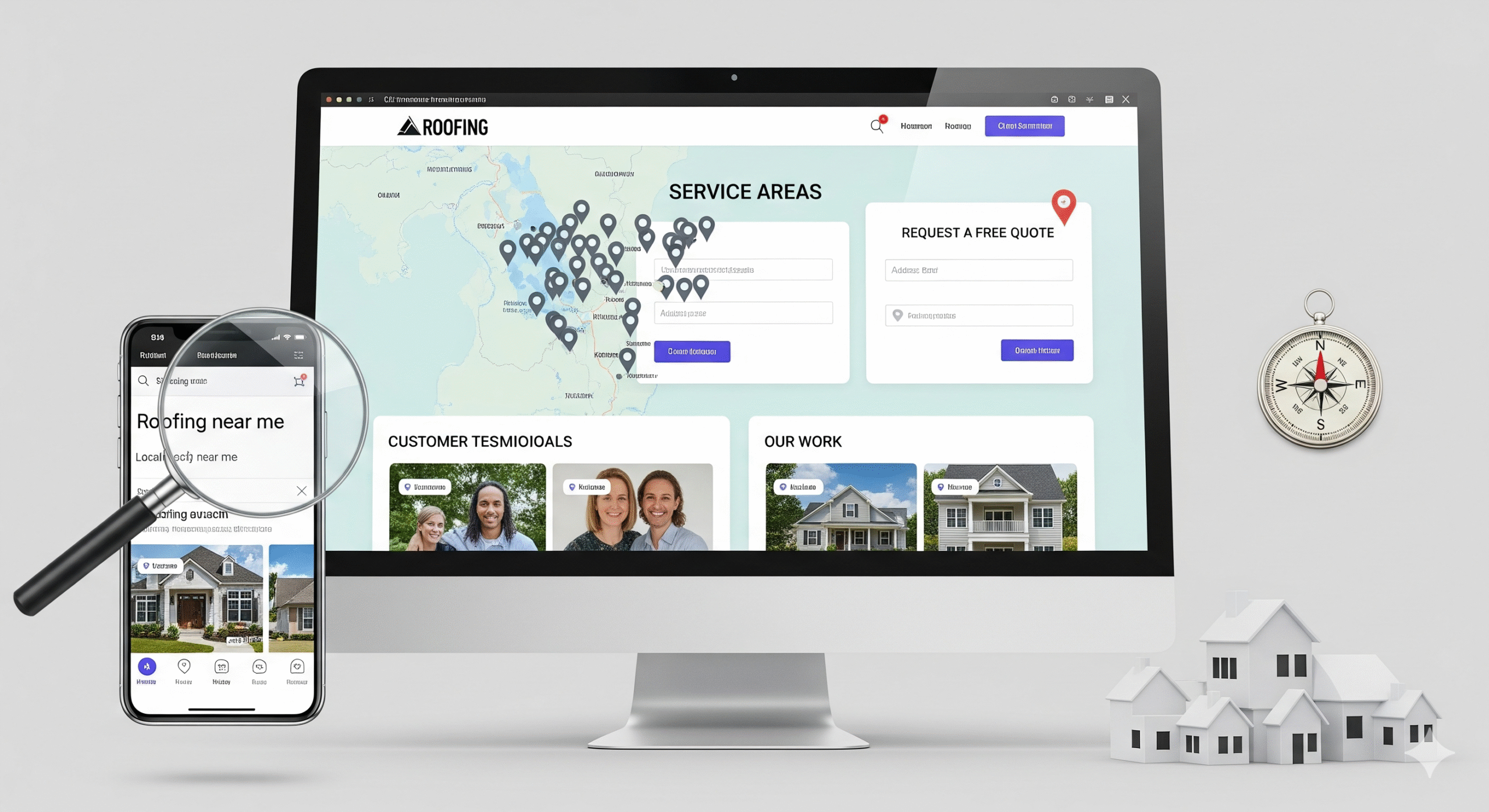

In today’s digital age, having a professional roofing business is no longer enough. Your online presence, particularly your website, plays a critical role in attracting local customers. When homeowners or business owners need roofing services, they usually start by searching online — often looking for a trusted local contractor. So, how can your roofing website stand out in a crowded marketplace and drive nearby traffic effectively?
This comprehensive guide will walk you through the essential roofing website elements that boost your local SEO and attract quality leads from your community. Let’s dive deep into proven strategies and practical tips that will help your roofing company dominate local search results and convert visitors into loyal customers.
Why Local SEO is Crucial for Roofing Businesses
Before we explore specific website elements, it’s important to understand the power of local SEO for roofing companies.
Targeted Traffic: Local SEO helps your site appear in search results when potential customers in your service area look for roofing services.
Higher Conversion Rates: Visitors searching locally are often ready to hire immediately, meaning better chances of turning website visits into phone calls or service requests.
Reduced Advertising Costs: Organic local search traffic reduces your dependency on paid ads, saving marketing dollars over time.
Improved Brand Trust: Consistent local visibility builds trust and establishes your roofing business as a reputable community expert.
- Optimize Your Roofing Website for Local Keywords
One of the foundational steps for local SEO success is keyword optimization with a focus on location-based terms.
Long-Tail Keyword Research for Roofing Services
Instead of targeting broad keywords like “roofing services,” aim for specific, long-tail keywords that include your city, neighborhood, or service area. Examples include:
“Roof repair in [City Name]”
“Emergency roof leak repair near me”
“Affordable roof replacement in [Neighborhood]”
Use keyword research tools like Google Keyword Planner, Ahrefs, or SEMrush to discover these highly targeted phrases. Incorporate these keywords naturally into your website’s content, including:
Page titles and meta descriptions
Headings and subheadings
Service descriptions
Blog posts and FAQs
- Create Dedicated Service Pages for Each Location You Serve
If your roofing business operates in multiple towns or neighborhoods, having dedicated service pages for each area is a game changer.
Why Location-Specific Pages Matter
Google favors websites that provide clear, localized information to searchers. By creating individual pages focused on “roofing services in [Location]”, you increase the chances of ranking for searches in those areas.
Each page should include:
A unique, engaging description of services offered in that location
Customer testimonials or case studies from that area
Local landmarks or community references to build relevance
Embedded Google Maps showing your service coverage
- Showcase Genuine Customer Reviews and Testimonials
Word of mouth remains one of the most powerful marketing tools for roofing contractors. Online reviews act as digital testimonials that help build trust and improve local rankings.
Need Help With Your Marketing or Website?
Not getting enough leads or sales? Get a free consultation and discover how to improve your website and marketing.
- Find out what may be stopping visitors from contacting you
- Discover where your website or marketing could perform better
- Get clear recommendations to improve leads, calls, and conversions
How to Leverage Reviews for Local SEO
Collect Reviews Consistently: Encourage satisfied customers to leave reviews on Google My Business, Yelp, and other relevant platforms.
Display Reviews Prominently: Add a testimonials section or review widget on your homepage and service pages.
Respond to Reviews: Engage with customers by responding professionally to all reviews, both positive and negative, showing your commitment to service.
Incorporate Reviews in Content: Use snippets or quotes from reviews in your website copy to boost credibility.
- Optimize Your Google My Business Profile Fully
Google My Business (GMB) is a free tool that helps roofing companies appear in local map searches and the coveted “Local Pack” at the top of Google results.
Essential GMB Optimization Tips
Claim and verify your business listing.
Use your full business name, address, and phone number (NAP) consistently.
Select accurate service categories, such as “Roofing Contractor” and “Roof Repair Service.”
Add high-quality photos of your team, completed projects, and your storefront or office.
Post regular updates, special offers, or news through the GMB dashboard.
Enable messaging so local customers can contact you directly.
- Integrate a User-Friendly Contact Page with Local Information
Making it easy for visitors to get in touch is crucial for converting traffic into customers.
What to Include on Your Roofing Contact Page
A clear, clickable phone number prominently displayed.
A contact form optimized for mobile and desktop users.
Your physical address with an embedded Google Map.
Business hours including emergency service availability.
Links to your social media profiles.
Local landmarks or directions if your office is hard to find.
- Publish Informative, Location-Based Blog Content Regularly
Blogs are excellent for targeting long-tail keywords and engaging local audiences with useful roofing tips and industry news.
Ideas for Local Roofing Blog Topics
“How to Prepare Your Roof for Winter in [City/Region]”
“Signs You Need a Roof Inspection After a Storm in [Neighborhood]”
“Choosing the Best Roofing Material for Homes in [Local Climate Zone]”
“Top Roof Maintenance Tips for [City] Homeowners”
Each blog post should include relevant local keywords, internal links to service pages, and a clear call to action to boost both SEO and conversions.
- Mobile Optimization: A Must for Local Searches
More than half of local searches happen on mobile devices. If your roofing website isn’t mobile-friendly, you risk losing potential customers.
Key Mobile SEO Considerations
Use responsive design to ensure your site looks great on all screen sizes.
Optimize page load speed to reduce bounce rates.
Make buttons and links easy to tap.
Ensure your contact info and calls to action are easily accessible.
- Use Structured Data Markup to Enhance Search Listings
Schema markup is a type of code you can add to your website to help search engines better understand your content. For roofing businesses, this can improve local search visibility.
Benefits of Local Business Schema
Helps Google display important details like business hours, reviews, and service areas in search results.
Increases click-through rates by providing rich snippets.
Enhances your presence in voice search results.
Implement Local Business schema and other relevant markups using tools like Google’s Structured Data Markup Helper.
- Build Local Backlinks to Boost Authority and Rankings
Backlinks from reputable local websites signal to search engines that your roofing business is trustworthy and relevant in your community.
Strategies for Earning Local Backlinks
Sponsor local events or charities and get featured on their websites.
Partner with complementary local businesses like home inspectors or real estate agents.
Participate in community forums or local business directories.
Write guest blog posts for local blogs or news sites.
- Monitor Your Local SEO Performance and Adjust Accordingly
Tracking your SEO efforts ensures you know what’s working and where improvements are needed.
Essential Tools for Monitoring Local SEO
Google Analytics: Analyze traffic sources, user behavior, and conversion rates.
Google Search Console: Track your keyword rankings and site indexing.
Local Rank Tracking Tools: Platforms like BrightLocal or Whitespark provide detailed reports on your local rankings and citations.
Review Monitoring: Use tools to track new customer reviews across multiple platforms.
Set monthly goals, review your data regularly, and update your website content and SEO strategies based on insights.
Final Thoughts: Making Your Roofing Website a Local SEO Powerhouse
Attracting local customers in the competitive roofing market requires a website that’s not only visually appealing but also strategically optimized for local SEO. By focusing on targeted keywords, creating location-specific content, showcasing real customer reviews, optimizing your Google My Business profile, and ensuring a seamless user experience, your roofing company can become the go-to choice for nearby homeowners and businesses.
Remember, local SEO is a long-term investment — consistent effort and regular updates will yield sustained traffic growth and higher-quality leads over time. Start implementing these essential roofing website elements today and watch your local presence soar!