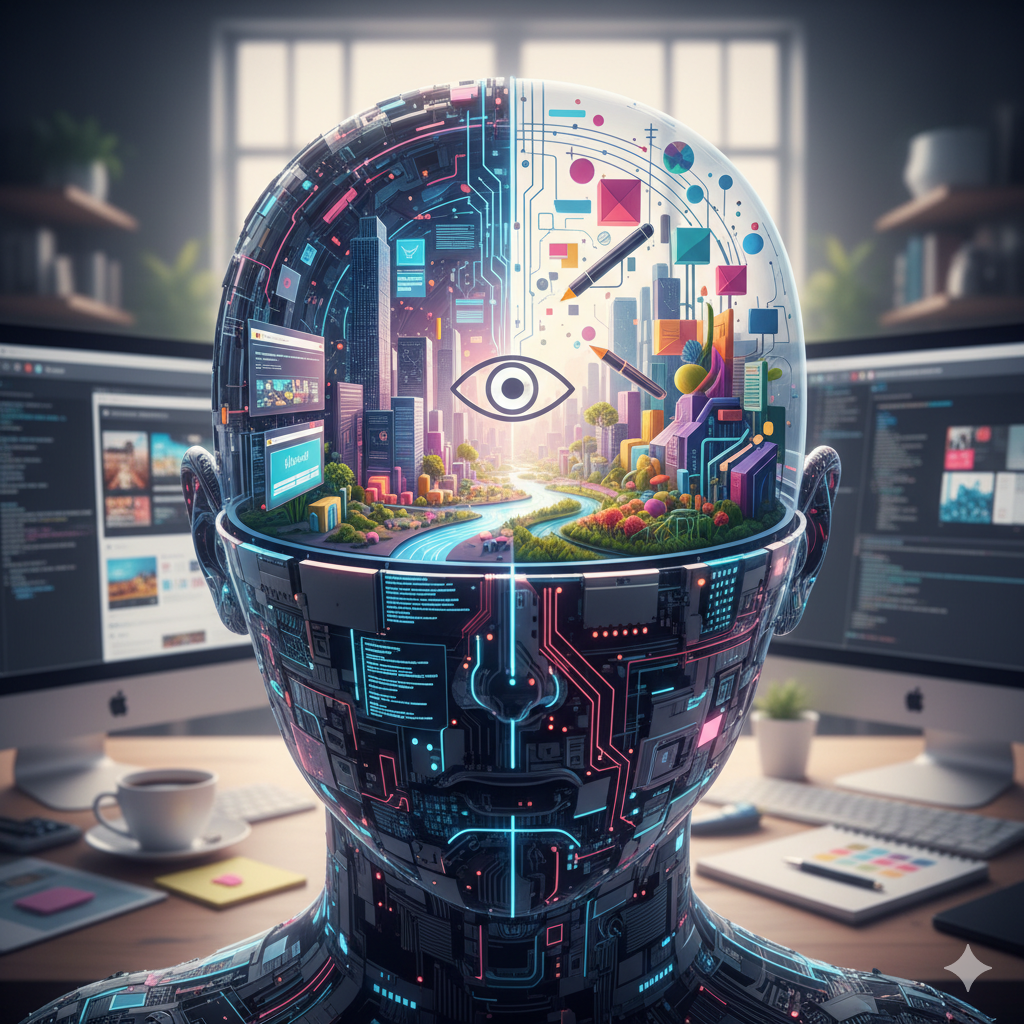

When we think of web designers, we often imagine people playing with colors, fonts, and layouts. While that’s partly true, there’s a lot more happening behind the scenes. A professional web designer doesn’t just create visually appealing websites—they craft user experiences, solve complex problems, and align design with business goals.
Understanding the thought process of a web designer can help businesses, budding designers, and even tech enthusiasts appreciate the depth and expertise involved in creating an effective website. Let’s take a deep dive into the mind of a professional web designer.
The Psychology Behind Web Design Decisions
Web design isn’t just about aesthetics; it’s about psychology. Every choice a professional designer makes, from color schemes to button placement, has a reason.
- Color Psychology: Designers know that colors evoke emotions. Blue can create trust, red evokes urgency, and green suggests growth. Choosing the wrong color palette can impact user behavior drastically.
- Visual Hierarchy: Every element on a page has a purpose. A designer organizes content to guide the visitor naturally through the website, emphasizing calls to action and important content.
- Cognitive Load Management: Too much information overwhelms users. Professional designers simplify complex ideas and focus on creating an intuitive experience that reduces mental effort.
Understanding the User: UX is Everything
A web designer’s first priority is often the user. While aesthetics matter, functionality and usability come first.
- User Research: Designers start with understanding the audience—demographics, preferences, pain points, and goals.
- Wireframing: Before colors or typography, designers create wireframes to structure the content logically.
- Testing & Iteration: Websites are never perfect on the first attempt. Professional designers conduct usability tests, analyze metrics, and iterate designs to ensure optimal user engagement.
Need Help With Your Marketing or Website?
Not getting enough leads or sales? Get a free consultation and discover how to improve your website and marketing.
- Find out what may be stopping visitors from contacting you
- Discover where your website or marketing could perform better
- Get clear recommendations to improve leads, calls, and conversions
The Creative Process: From Concept to Launch
Professional web designers follow a systematic yet creative workflow.
- Discovery Phase: Understanding client goals, market trends, and audience needs.
- Brainstorming & Inspiration: Mood boards, competitor analysis, and exploring current design trends.
- Wireframing & Prototyping: Sketching layouts, creating clickable prototypes, and planning interactions.
- Design Execution: Selecting color palettes, typography, imagery, and UI components.
- Feedback & Revisions: Collaboration with clients, developers, and stakeholders.
- Launch & Monitoring: Final deployment, performance monitoring, and ongoing improvements.
This workflow ensures that every design decision has a purpose and aligns with both user expectations and business objectives.
Tools of the Trade: What Professionals Use
The right tools can make or break a project. While every designer has personal preferences, several tools are widely recognized in the industry:
- Adobe XD & Figma: For UI/UX design and prototyping.
- Photoshop & Illustrator: Essential for graphics, icons, and visual assets.
- Sketch: A favorite for Mac users focused on interface design.
- WordPress & Webflow: For building responsive websites efficiently.
- Google Analytics & Hotjar: For tracking user behavior and improving experience.
Professional designers combine creativity with technology to produce results that are not only beautiful but also functional and measurable.
Trends Shaping Modern Web Design
Keeping up with trends is crucial for professional web designers. While trends shouldn’t dictate every decision, they provide inspiration and relevance:
- Minimalism & White Space: Clean, clutter-free layouts improve readability and engagement.
- Dark Mode Designs: Offers better accessibility and reduces eye strain.
- Microinteractions: Small animations and feedback systems improve user experience.
- AI-Powered Personalization: Tailoring content based on user behavior increases engagement and conversions.
- Voice User Interfaces (VUI): Emerging trend with voice search and voice commands integrated into websites.
Mistakes Professionals Avoid
A professional designer learns from experience. Some common pitfalls they actively avoid include:
- Ignoring mobile users—responsive design is a must.
- Overloading pages with information—simplicity improves usability.
- Choosing aesthetics over functionality—user experience always comes first.
- Neglecting accessibility—websites must be inclusive for all users.
- Failing to test—real users always reveal insights designers might overlook.
The Business Mindset: Designers Think Like Entrepreneurs
Professional web designers are more than creatives—they’re strategic thinkers. They consider:
- Branding: Every element reflects the company’s values and identity.
- Conversion Optimization: Design decisions influence sales, sign-ups, or inquiries.
- SEO-Friendly Design: Even design elements like headings, images, and site structure impact search engine rankings.
- Performance Optimization: Page speed, mobile responsiveness, and efficient code ensure users stay engaged.
This blend of creativity and business acumen sets professional web designers apart.
Continuous Learning: A Never-Ending Journey
Technology evolves rapidly. Professional web designers constantly learn to stay ahead:
- New Design Tools & Software Updates
- Emerging Trends in UX/UI
- Front-End Development Basics
- SEO and Digital Marketing Techniques
- Accessibility Standards and Regulations
The best designers treat learning as a lifelong habit—always seeking inspiration and ways to improve.
Final Thoughts: Seeing the World Through a Designer’s Eyes
Professional web designers don’t just “make websites.” They create experiences, solve problems, and strategically influence user behavior. Their world is a mix of creativity, psychology, technology, and business strategy.
For anyone seeking to understand web design deeply—whether as a client, beginner, or fellow designer—peeking inside a professional designer’s mind reveals the care, skill, and thought that goes into each pixel and interaction.