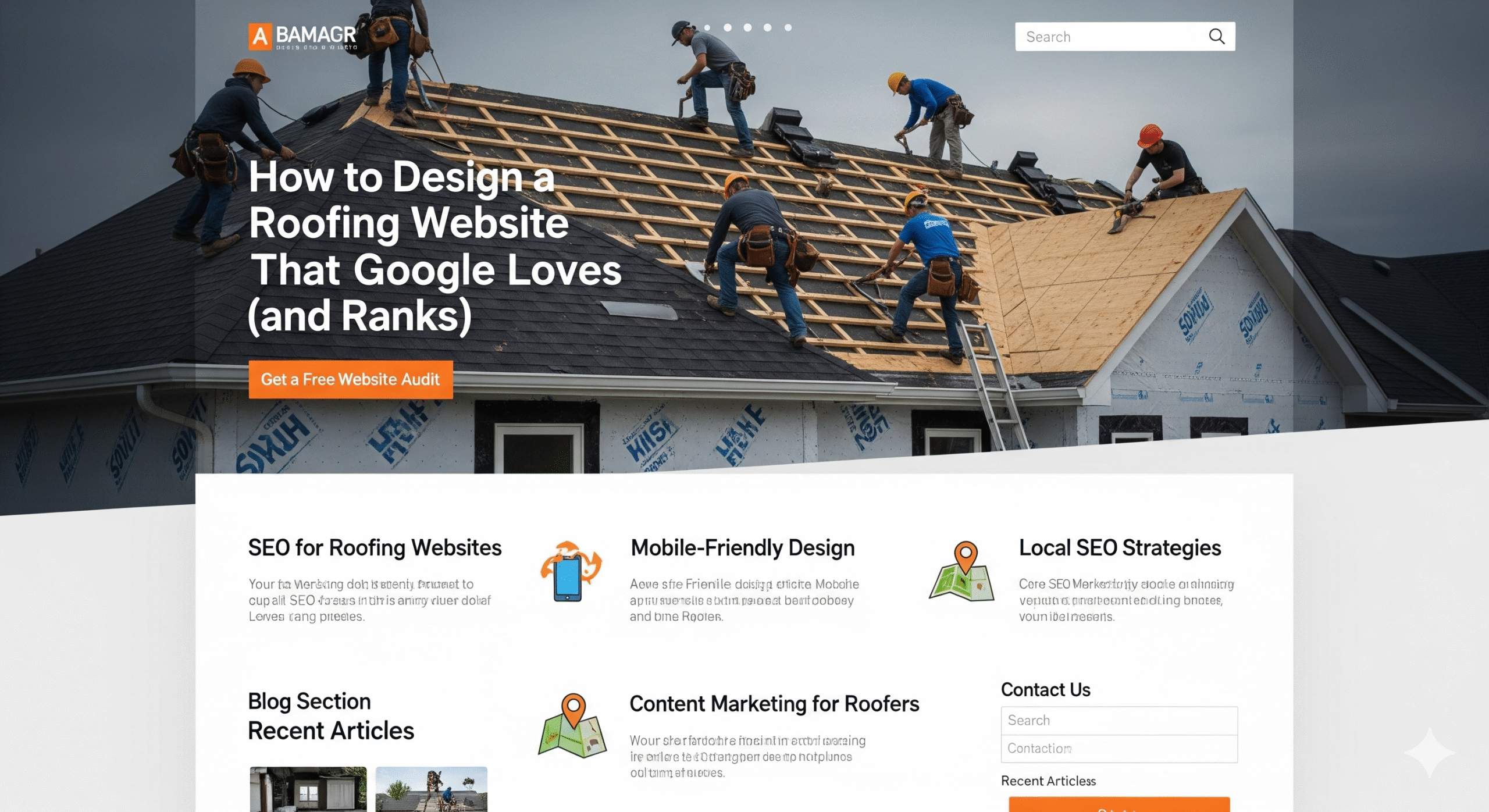

In today’s digital-first world, having a compelling roofing website is no longer just an option—it’s a necessity. If you’re a roofing contractor or company, your website is often the first interaction potential clients have with your business. But more importantly, it’s your website’s design and optimization that determines whether Google will rank you high in search results or bury you on page 10.
Creating a roofing website that Google loves and ranks highly involves a blend of user-centric design, strategic SEO, and targeted content marketing. In this comprehensive guide, we’ll walk you through every step of designing a roofing website that not only looks professional but also drives traffic and converts visitors into loyal customers.
Why Is SEO Important for Roofing Websites?
Before diving into design specifics, it’s crucial to understand why SEO (Search Engine Optimization) matters so much for roofing businesses. When people search for services like “roof repair near me” or “roofing contractors in [city],” Google aims to deliver the most relevant, trustworthy results. Websites optimized for SEO stand a better chance of appearing on the coveted first page.
The higher your site ranks, the more clicks and inquiries you receive. Without SEO, even the most beautifully designed roofing website can remain invisible.
Key Elements to Consider When Designing Your Roofing Website
- User-Friendly Navigation for Seamless Experience
Your website’s navigation is the backbone of user experience (UX). Clear, intuitive menus help visitors find what they need quickly — whether it’s a roofing service, contact form, or customer reviews.
Use simple headings like “Roof Repair,” “Roof Replacement,” and “Free Estimate.”
Ensure your navigation is consistent on all pages.
Implement a sticky header so users can access the menu without scrolling back up.
- Mobile Optimization Is a Must
More than half of all web traffic comes from mobile devices. Google’s mobile-first indexing means your site’s mobile version is what gets ranked.
Use a responsive design framework that adapts to various screen sizes.
Optimize images for faster loading on mobile.
Make buttons and links large enough for easy tapping.
- Fast Loading Speeds to Reduce Bounce Rates
Users expect websites to load in under three seconds. Slow loading times lead to higher bounce rates and lower rankings.
Compress images without losing quality.
Minimize code and leverage browser caching.
Use a reliable hosting provider.
Need Help With Your Marketing or Website?
Not getting enough leads or sales? Get a free consultation and discover how to improve your website and marketing.
- Find out what may be stopping visitors from contacting you
- Discover where your website or marketing could perform better
- Get clear recommendations to improve leads, calls, and conversions
How to Create High-Impact Roofing Website Content That Google Loves
Content is king — especially when it comes to ranking on Google. Your website should offer valuable, relevant content that addresses your audience’s needs.
- Target Long-Tail Keywords for Roofing Services
Instead of focusing on highly competitive keywords like “roofing company,” target specific, long-tail keywords such as:
“Affordable roof repair in [City Name]”
“Best roofing contractors for shingle roofs”
“Emergency roof leak repair services near me”
Long-tail keywords have less competition and attract more qualified leads.
- Write Detailed Service Pages
Create individual pages for each roofing service you offer. Don’t just list services — explain the process, benefits, and pricing where possible.
Use headings and bullet points for readability.
Incorporate FAQs to address common customer questions.
Add relevant images or videos demonstrating your work.
- Optimize Title Tags and Meta Descriptions
Title tags and meta descriptions appear in search engine results and influence click-through rates.
Include primary keywords naturally in your titles.
Write compelling meta descriptions that entice users to click.
Keep titles under 60 characters and descriptions under 160.
Technical SEO Tips for Roofing Websites
Beyond content and design, technical SEO ensures search engines can crawl and index your site effectively.
- Use SSL for Secure Website Connection (HTTPS)
Google favors websites that protect user data with HTTPS.
Install an SSL certificate.
Update all internal links to use HTTPS.
Display trust badges prominently to build visitor confidence.
- Implement Structured Data Markup
Structured data helps search engines understand your content and can enhance your search listings with rich snippets.
Use schema markup for local business details.
Add review and rating schema to showcase testimonials.
Mark up your services and contact info.
- Create an XML Sitemap and Robots.txt File
An XML sitemap guides search engines to all important pages.
The robots.txt file controls which pages should or shouldn’t be crawled.
Submit your sitemap via Google Search Console.
How to Leverage Local SEO to Boost Your Roofing Business
Since roofing is inherently a local service, local SEO is vital for attracting customers in your service area.
- Optimize Your Google My Business Listing
Google My Business (GMB) is one of the most powerful tools for local SEO.
Claim and verify your GMB listing.
Include accurate business hours, phone number, and address.
Add high-quality photos of your team and completed roofing projects.
Encourage satisfied customers to leave reviews.
- Use Localized Keywords and Content
Mention your city or neighborhood throughout your website content.
Example: “Trusted roofing contractor serving the greater [City] area.”
Create blog posts about local roofing issues or weather impacts.
Build local backlinks by partnering with community sites or suppliers.
- Add Location Pages for Multiple Service Areas
If you serve multiple cities or regions, create separate pages targeting those locations.
Use unique content for each page.
Include customer testimonials specific to those areas.
Highlight any local certifications or licenses.
Essential Website Features Every Roofing Company Needs
- Clear Call-to-Action Buttons
Guide visitors to take the next step with buttons like:
“Request a Free Quote”
“Schedule a Roof Inspection”
“Contact Us Today”
Make these CTAs prominent and consistent across your site.
- Customer Testimonials and Case Studies
Social proof builds trust and credibility.
Display real reviews with names and photos.
Showcase before-and-after project photos.
Use video testimonials if possible.
- Blog Section for Continuous Engagement
Publishing regular blog posts helps keep your site fresh and improve SEO.
Share roofing maintenance tips.
Discuss new roofing materials and technologies.
Address frequently asked roofing questions.
How to Measure the Success of Your Roofing Website
Tracking performance is key to knowing what works and where improvements are needed.
- Use Google Analytics
Monitor:
Traffic sources
Visitor behavior
Conversion rates
- Track Keyword Rankings
Use SEO tools like SEMrush, Ahrefs, or Moz to see how your site ranks for target keywords.
- Monitor Your Google My Business Insights
Check how customers find your listing, call your business, or visit your website.
Conclusion: Designing a Roofing Website That Google and Customers Love
Building a roofing website that ranks well and converts visitors into clients is a multi-step process that requires focus on user experience, SEO best practices, and local marketing.
By combining mobile-friendly design, fast loading speeds, keyword-optimized content, and robust local SEO strategies, your roofing business can dominate search results and generate consistent leads.
Remember, your website isn’t just an online brochure — it’s your most powerful sales tool. Invest the time and resources to make it shine, and watch your roofing business grow.