
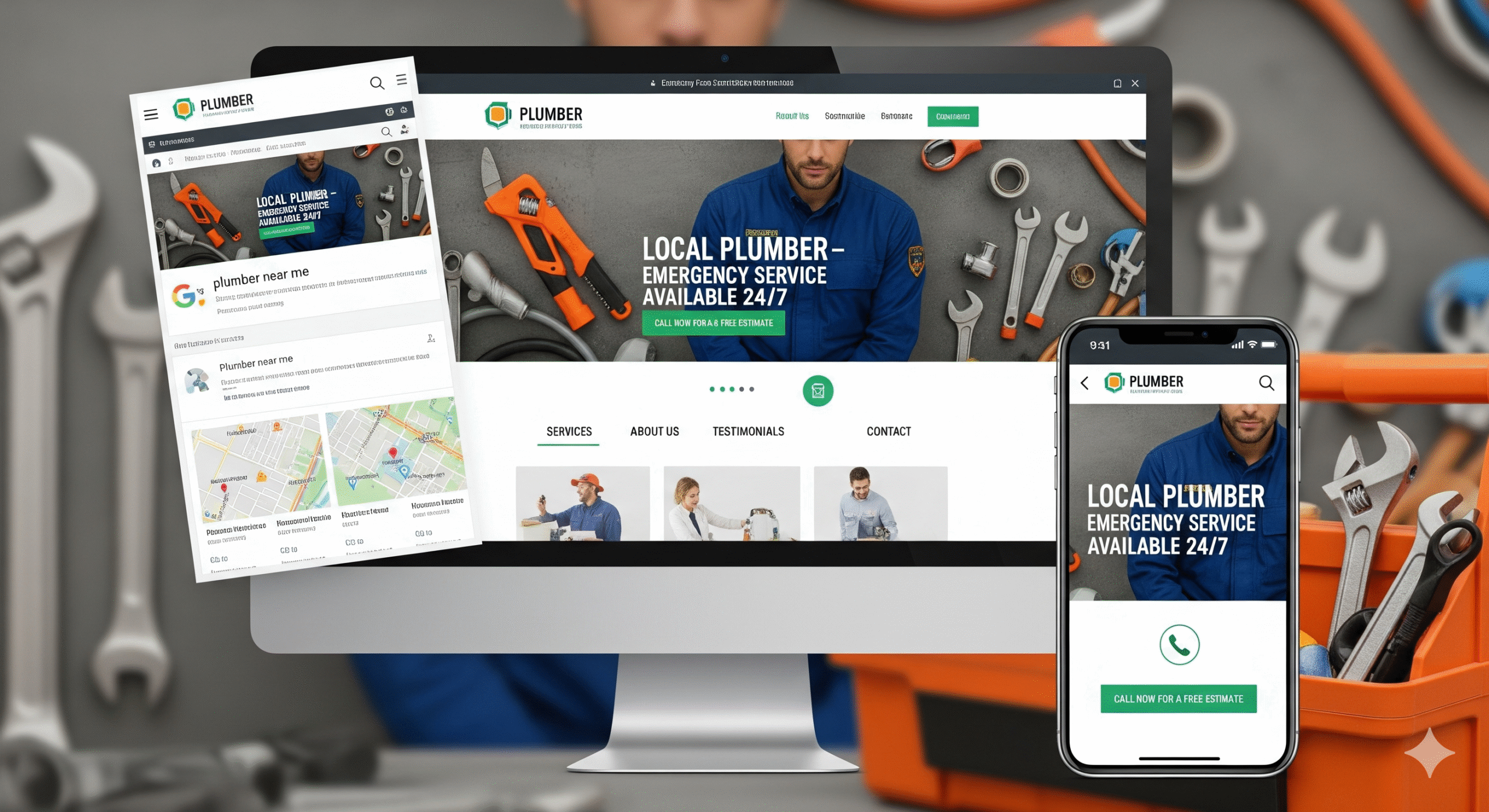

If you’re a plumber looking to expand your business and attract more local customers, having a professional website is absolutely essential. But not just any website — you need one that ranks well on Google, draws traffic, and converts visitors into calls and leads.
In this comprehensive guide, we’ll break down exactly how to build a plumber website that performs, helping you grow your business and dominate your local market.
Why Having a High-Quality Plumber Website is a Game-Changer for Your Business
Before diving into the technical stuff, let’s clarify why a well-built plumber website matters so much.
First Impressions Matter: Potential customers often search online first before calling. A sleek, professional site instantly builds trust.
Visibility on Google: Ranking on page one for “plumber near me” or “emergency plumbing services” can generate a steady stream of calls.
Showcase Your Services: Highlighting your specialties, service areas, and certifications makes you stand out from competitors.
Online Booking & Contact: Modern customers want quick, easy contact options. A website lets you capture leads 24/7.
Control Your Brand Story: Your website is your digital storefront — own your narrative and reputation.
Step 1: Choosing the Right Domain Name and Hosting for Your Plumbing Website
Your domain name is your online identity. It needs to be:
Short and Memorable: Something like “YourCityPlumber.com” or “SmithPlumbingPros.com”
Relevant Keywords: Including “plumber” or your city name can help SEO.
Easy to Spell: Avoid complicated words or hyphens that confuse visitors.
For hosting, select a reliable provider that offers:
Fast Loading Speeds: Google prioritizes sites that load quickly.
High Uptime: Your site should be available 24/7.
Security Features: SSL certificates and backups protect your site and visitors.
Popular options include Bluehost, SiteGround, and HostGator.
Step 2: Designing a User-Friendly Website Layout That Converts Visitors
When visitors land on your website, their experience determines whether they stay or leave.
Essential Pages Your Plumbing Website Must Have
Home Page: Clear messaging about who you are, your services, and why customers should pick you.
Services Page: Detailed descriptions of plumbing repairs, installations, emergency services, etc.
About Us Page: Share your story, experience, and team credentials.
Contact Page: Include phone numbers, email, address, and a contact form.
Blog Section: Helps with SEO and educating customers.
Key Design Tips for Plumbing Websites
Use clean, professional colors — blues, whites, and greys are common in plumbing.
Feature high-quality images of your team, tools, or past projects.
Include clear call-to-action (CTA) buttons like “Call Now” or “Get a Free Quote.”
Optimize for mobile users — many searches happen on phones.
Use easy-to-read fonts and avoid clutter.
Step 3: Writing SEO-Optimized Content That Drives Organic Traffic
Content is king in SEO, especially for local service businesses like plumbing.
Need Help With Your Marketing or Website?
Not getting enough leads or sales? Get a free consultation and discover how to improve your website and marketing.
- Find out what may be stopping visitors from contacting you
- Discover where your website or marketing could perform better
- Get clear recommendations to improve leads, calls, and conversions
How to Use Keywords Effectively
Research local, long-tail keywords such as “emergency plumber in [City]” or “affordable drain cleaning services near me.”
Naturally integrate keywords into your page titles, headings, meta descriptions, and body text.
Avoid keyword stuffing — focus on readability and value.
Creating Helpful Content Your Customers Will Love
Write blog posts like “How to Fix a Leaky Faucet” or “5 Signs You Need a New Water Heater.”
Include FAQs about common plumbing issues.
Share customer testimonials and before/after photos.
Step 4: Technical SEO Basics to Make Your Plumbing Website Search Engine Friendly
Getting your site to rank isn’t just about content — technical SEO matters too.
Optimize Your Website Speed
Compress images without losing quality.
Use caching plugins if on WordPress.
Choose a hosting plan that supports fast loading.
Mobile Optimization
Use responsive design so your site works well on all devices.
Test your site with Google’s Mobile-Friendly Test tool.
Implement Schema Markup for Local Businesses
Adding structured data helps search engines understand your business.
Display important info like business name, address, phone number, and operating hours directly in search results.
Step 5: Leveraging Google My Business (GMB) for Maximum Local Exposure
Your website works hand-in-hand with your Google My Business listing.
Claim and verify your GMB profile.
Keep your business information consistent with your website.
Encourage happy customers to leave positive reviews.
Post updates and photos regularly to stay active in local search.
Step 6: Building Trust with Social Proof and Customer Reviews on Your Website
Online reviews influence buying decisions — don’t miss out.
Feature 5-star testimonials prominently on your homepage and services pages.
Embed reviews from Google, Yelp, or Facebook.
Share case studies or success stories.
Adding social proof reassures potential customers that you’re reliable and skilled.
Step 7: Adding Call Tracking and Analytics to Measure Website Success
Knowing what’s working helps you grow smarter.
Use Google Analytics to track traffic sources, user behavior, and conversions.
Set up call tracking numbers to see which marketing efforts generate phone calls.
Analyze data monthly to refine your SEO and marketing strategy.
Step 8: Promoting Your Plumbing Website to Generate Leads Consistently
A great website isn’t enough if no one sees it.
Effective Promotion Strategies for Plumbers
Local SEO: Optimize your site for “plumber near me” and similar terms.
Google Ads: Run targeted ads during peak seasons or emergencies.
Social Media: Share tips, promotions, and photos on Facebook and Instagram.
Email Marketing: Build a list and send helpful updates and offers.
Networking: Join local business groups and request backlinks to your site.
Bonus Tips: Website Features That Can Help You Get More Plumbing Calls
Live Chat Support: Engage visitors instantly and answer questions.
Online Booking System: Let customers schedule appointments online.
Emergency Service Banner: Highlight 24/7 availability prominently.
Special Offers and Discounts: Create urgency and encourage action.
Common Mistakes to Avoid When Building a Plumber Website
Using generic stock photos that look fake or unprofessional.
Overloading the site with too much text or technical jargon.
Ignoring mobile optimization — more than half of searches come from phones.
Forgetting to update your content regularly.
Not including clear calls to action.
Final Thoughts: Your Plumber Website is Your Best Salesperson
Building a plumber website that ranks well and converts visitors into calls takes some effort — but the payoff can be huge. A professional, easy-to-navigate, and SEO-friendly website positions you as the go-to plumbing expert in your area.
Invest the time now to build the right site, and watch your business grow through higher Google rankings and more customer calls.