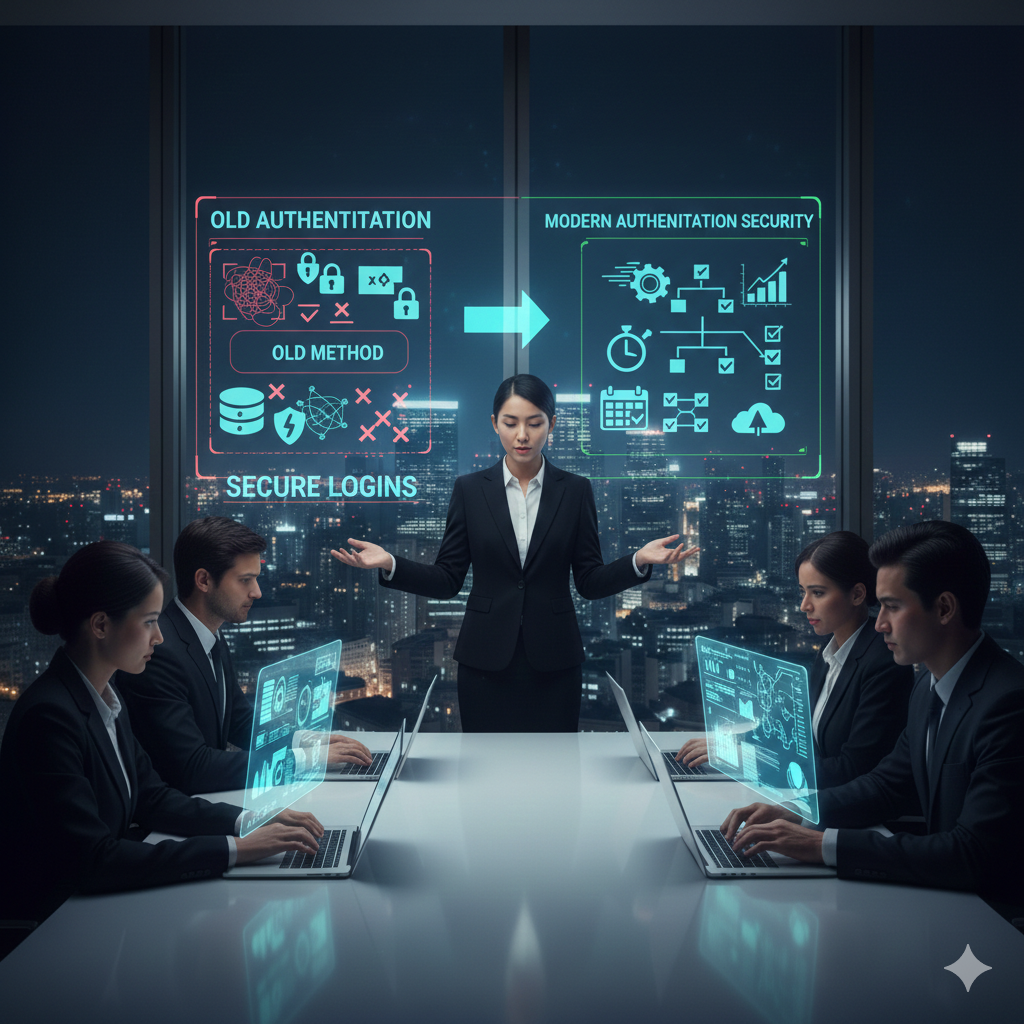

In today’s hyper-connected digital world, secure logins are no longer a technical luxury — they are a business necessity. Every time a user signs into an app, online store, banking portal, or corporate dashboard, sensitive data is being accessed. Without strong login protection, that data becomes an open invitation to cybercriminals.
From personal identities to financial records, secure authentication systems are the first and most critical line of defense. In this comprehensive guide, we explore how secure logins protect user data, the technologies behind them, and why organizations must prioritize modern authentication strategies in 2026 and beyond.
Why Secure Login Systems Are the Foundation of Data Protection
A login system is essentially a digital gatekeeper. It determines who is allowed access and who is not. Weak login systems can lead to:
- Data breaches
- Identity theft
- Financial fraud
- Reputation damage
- Regulatory penalties
According to global cybersecurity reports, the majority of breaches begin with compromised credentials. This means attackers don’t always “hack” systems in dramatic ways — they simply log in using stolen usernames and passwords.
Secure login systems prevent this by strengthening authentication layers and reducing vulnerabilities.
Understanding the Core Components of a Secure Login System
Modern authentication systems go far beyond simple username-password combinations. Today’s secure login mechanisms combine multiple technologies to ensure robust data protection.
1. Strong Password Policies and Encryption
Secure systems enforce:
- Minimum character lengths
- Complex combinations (symbols, numbers, uppercase/lowercase)
- Password expiration policies
- Prevention of reused passwords
More importantly, passwords are never stored in plain text. They are encrypted and hashed using advanced cryptographic algorithms. Even if hackers gain database access, encrypted credentials remain unreadable.
2. Multi-Factor Authentication (MFA): Adding an Extra Security Layer
Multi-factor authentication requires users to verify their identity using two or more factors:
- Something you know (password)
- Something you have (OTP, security token)
- Something you are (biometric verification)
This dramatically reduces the risk of unauthorized access. Even if a password is compromised, attackers cannot log in without the second authentication factor.
Businesses implementing MFA report significantly fewer account takeover incidents.
3. Biometric Authentication for Advanced Identity Verification
Biometric logins — such as fingerprint scanning, facial recognition, and retina scans — provide higher levels of security because they rely on unique biological traits.
Unlike passwords, biometric data cannot be easily guessed or shared. Secure biometric systems encrypt this data and store it locally or in secure hardware modules to prevent misuse.
Need Help With Your Marketing or Website?
Not getting enough leads or sales? Get a free consultation and discover how to improve your website and marketing.
- Find out what may be stopping visitors from contacting you
- Discover where your website or marketing could perform better
- Get clear recommendations to improve leads, calls, and conversions
How Secure Login Protocols Prevent Common Cyber Threats
Secure login systems are specifically designed to combat prevalent cyber threats.
Protection Against Brute Force Attacks
Attackers often attempt thousands of password combinations to gain access. Secure systems prevent this by:
- Limiting login attempts
- Temporarily locking accounts
- Using CAPTCHA verification
- Monitoring unusual login patterns
This significantly reduces the effectiveness of automated attacks.
Defense Against Phishing and Credential Stuffing
Credential stuffing occurs when attackers use stolen login details from one site to access other platforms.
Secure login platforms mitigate this by:
- Detecting suspicious login locations
- Identifying abnormal behavior patterns
- Blocking IP addresses linked to malicious activity
- Enforcing password uniqueness
Adaptive authentication systems can even trigger additional verification steps if login behavior seems unusual.
The Role of Zero-Trust Security in Modern Login Protection
The zero-trust model operates on a simple principle: “Never trust, always verify.”
Instead of assuming users inside a network are safe, zero-trust frameworks continuously validate identity and device integrity. Every login attempt is evaluated based on:
- Location
- Device health
- Network security
- User behavior
This approach minimizes insider threats and unauthorized access.
Why Businesses Must Invest in Secure Login Infrastructure
Secure login systems are not just about protecting users — they protect businesses as well.
1. Regulatory Compliance
Data protection regulations require strict authentication controls. Failing to secure login systems can result in heavy fines and legal consequences.
2. Customer Trust and Brand Reputation
Customers trust businesses with their personal information. A single data breach can permanently damage credibility.
Strong login security demonstrates responsibility and commitment to user privacy.
3. Reduced Financial Losses
Cyberattacks can cost organizations millions in recovery expenses, legal fees, and operational downtime. Secure authentication significantly lowers this risk.
Best Practices for Implementing Secure Login Systems
To ensure maximum data protection, organizations should:
- Enforce multi-factor authentication
- Use end-to-end encryption
- Implement real-time login monitoring
- Conduct regular security audits
- Apply rate-limiting and account lockout policies
- Encourage password managers
- Provide cybersecurity awareness training
Security should be continuously updated — not treated as a one-time setup.
The Future of Secure Logins: Passwordless Authentication
The future of login security is moving toward passwordless authentication. This includes:
- Magic link email logins
- Biometric verification
- Hardware security keys
- Mobile authentication apps
Passwordless systems eliminate the weakest security link — human-generated passwords — while improving user experience.
As cyber threats evolve, secure authentication technology will continue to advance, prioritizing both protection and convenience.
Final Thoughts: Secure Logins Are the Frontline of Digital Safety
Every secure login is a silent guardian protecting sensitive data from malicious actors. From encrypted passwords to advanced biometric authentication, modern login systems are built to defend against increasingly sophisticated cyber threats.
Businesses that invest in secure authentication today are safeguarding their future — protecting customer data, maintaining regulatory compliance, and building lasting trust.
In a world where data is currency, secure logins are the vault door.