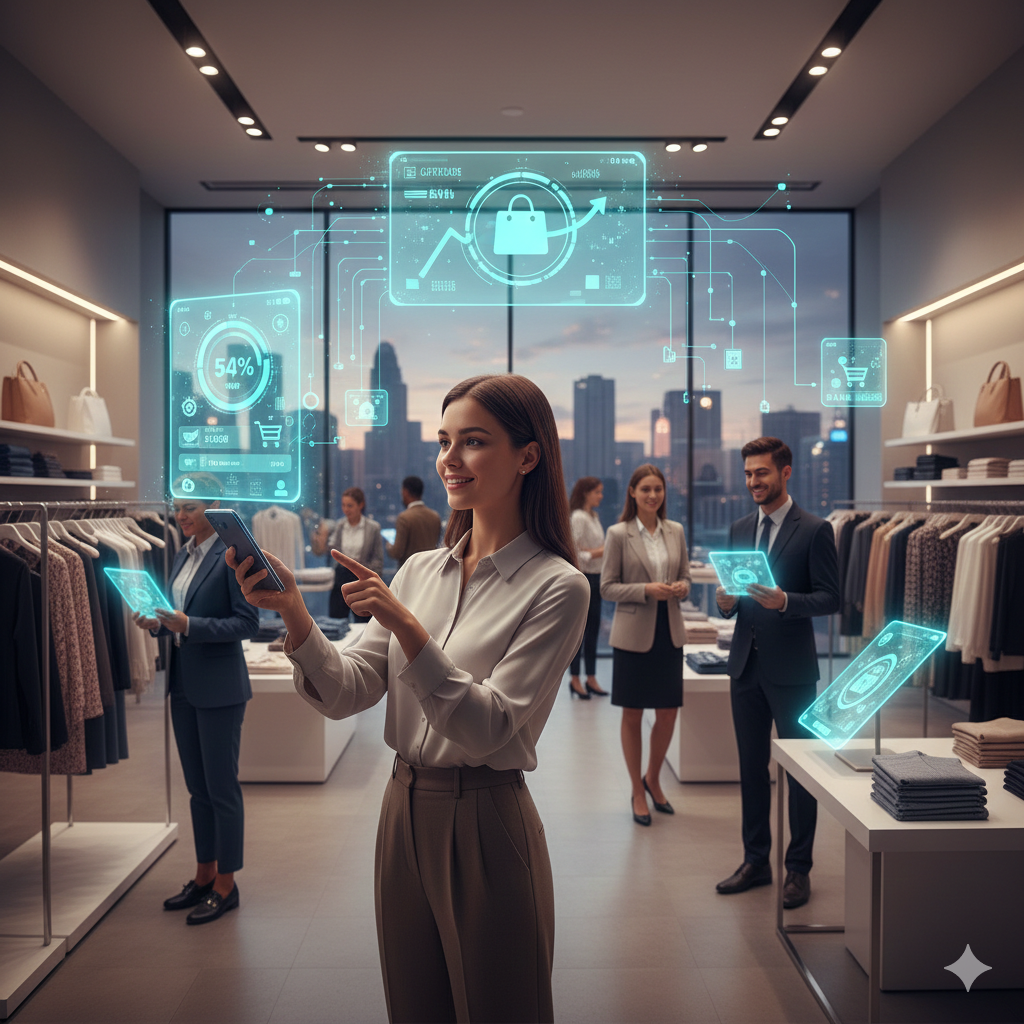

In today’s fast-paced retail environment, staying competitive requires more than just having a physical storefront or an online presence. Retailers are increasingly turning to custom mobile and web applications to drive sales, engage customers, and improve operational efficiency. With the rise of smartphone usage and digital shopping habits, a tailored app can transform how retailers interact with their customers, offering a personalized experience that directly influences purchasing decisions.
In this article, we’ll explore how retailers use custom apps to improve sales, discuss their benefits, and provide actionable strategies that businesses can implement to stay ahead in 2026.
1. Understanding the Role of Custom Apps in Retail
Custom apps are designed to meet the specific needs of a retailer’s business model. Unlike generic solutions, they offer personalized experiences for both the retailer and the customer. Retailers use these apps to:
- Improve customer loyalty through personalized promotions.
- Streamline inventory management and operations.
- Offer omnichannel shopping experiences.
- Analyze customer behavior to optimize sales strategies.
A well-designed app can act as a digital storefront, loyalty program, and marketing tool all in one, creating a seamless experience that drives repeat purchases.
2. Personalized Customer Experience Boosts Sales
One of the biggest advantages of custom retail apps is personalization. Retailers can use apps to send targeted recommendations, discounts, and promotions based on user behavior and purchase history.
For example:
- A fashion retailer can push notifications about new arrivals based on a customer’s past purchases.
- Grocery stores can suggest weekly deals based on shopping patterns.
- Electronics retailers can offer personalized product bundles and upgrade suggestions.
Personalized experiences make customers feel valued, which increases engagement and conversion rates.
Need Help With Your Marketing or Website?
Not getting enough leads or sales? Get a free consultation and discover how to improve your website and marketing.
- Find out what may be stopping visitors from contacting you
- Discover where your website or marketing could perform better
- Get clear recommendations to improve leads, calls, and conversions
3. Leveraging Loyalty Programs Through Apps
Custom apps allow retailers to build digital loyalty programs that are more engaging than traditional card-based systems. Loyalty apps can:
- Track points automatically.
- Offer exclusive rewards for app users.
- Provide gamified experiences to increase engagement.
A loyalty program integrated into a retailer’s app can encourage repeat purchases and improve overall sales performance.
4. Push Notifications and Real-Time Marketing
Push notifications are a powerful tool in a retailer’s app arsenal. Unlike emails, notifications appear directly on the user’s phone, increasing the chances of engagement. Retailers can use them to:
- Alert customers about flash sales.
- Notify users of abandoned carts.
- Send timely reminders for seasonal promotions.
By using real-time marketing through push notifications, retailers can increase conversion rates and drive immediate sales.
5. Streamlined Mobile Payments and Checkout
One of the biggest pain points for shoppers is a complicated checkout process. Custom apps make purchasing seamless by integrating:
- Multiple payment gateways.
- One-click checkout options.
- Digital wallets and contactless payments.
A smooth and fast checkout experience reduces cart abandonment and increases overall sales, especially for mobile-first shoppers.
6. Data-Driven Insights for Better Sales Strategies
Custom apps collect valuable data about customer behavior, preferences, and purchase history. Retailers can leverage this data to:
- Identify trends and predict demand.
- Optimize product placements and inventory.
- Tailor marketing campaigns for higher ROI.
Data-driven decisions empower retailers to sell smarter rather than just harder, leading to sustained revenue growth.
7. Omnichannel Integration Enhances Customer Experience
Retailers often operate across multiple channels—online stores, physical locations, and social media. A custom app bridges these channels by providing:
- Real-time inventory updates.
- Click-and-collect options.
- Consistent shopping experience across platforms.
By integrating all sales channels, retailers can increase convenience for customers, which in turn boosts sales.
8. Improving Customer Support Through Apps
Custom apps can enhance customer support through features like:
- Live chat with customer service.
- AI-powered FAQs for instant assistance.
- Easy return and exchange processing.
A positive support experience strengthens customer trust and encourages repeat business, which is crucial for long-term sales growth.
9. Encouraging Upselling and Cross-Selling
Retailers can use custom apps to suggest related or complementary products at strategic points:
- During product browsing.
- At checkout.
- In follow-up emails and notifications.
Upselling and cross-selling strategies implemented via a custom app can significantly increase average order value without being intrusive.
10. Case Study: Retail Success with Custom Apps
Many retailers have already seen measurable results from custom apps. For instance:
- A fashion brand reported a 30% increase in repeat purchases after implementing an app with personalized recommendations.
- A grocery chain saw a 20% boost in sales through push notifications and app-exclusive discounts.
- Electronics stores achieved higher conversion rates by integrating loyalty programs and seamless mobile payments.
These examples demonstrate that well-designed apps are not just technology investments—they are revenue-generating tools.
11. Gamification to Drive Engagement
Gamification features in retail apps—like spin-to-win offers, challenges, and badges—create a fun shopping experience. This not only retains users but also motivates them to engage more with the app, which directly influences sales.
12. Location-Based Marketing
Custom apps can utilize GPS and geofencing to send location-based offers:
- Notify customers about in-store promotions when they are nearby.
- Send tailored discounts based on regional preferences.
Location-specific marketing ensures that promotions are timely and relevant, increasing the chances of conversion.
13. Social Media Integration for Wider Reach
Integrating apps with social media platforms allows retailers to:
- Enable easy sharing of products.
- Run in-app social campaigns.
- Capture social commerce sales directly.
This integration amplifies reach, driving new customers and additional revenue streams.
14. Subscription Models and Memberships
Custom apps make it easier for retailers to implement subscription services:
- Monthly product boxes.
- Premium memberships with exclusive perks.
- Early access to sales and new arrivals.
Subscriptions create predictable revenue and increase customer lifetime value (CLV).
15. Augmented Reality and Virtual Try-Ons
Retailers, especially in fashion and furniture, are adopting AR-powered apps to let customers virtually try products before purchase. This reduces purchase hesitation, decreases returns, and boosts sales by enhancing confidence in buying decisions.
16. Reducing Operational Costs
Custom apps can streamline internal operations by:
- Automating inventory management.
- Simplifying staff scheduling.
- Tracking sales performance in real-time.
Lower operational costs allow retailers to reinvest in marketing or product innovation, indirectly contributing to higher sales.
17. Customer Feedback and Reviews
Apps can encourage customers to leave reviews and ratings, which:
- Build trust with new shoppers.
- Provide insights for product improvement.
- Influence purchasing decisions for other users.
Positive reviews within the app help boost credibility and drive sales organically.
18. Security and Trust in Transactions
Custom apps offer secure payment gateways and encrypted data storage, which is crucial for building customer trust. Secure apps increase the likelihood of completing purchases and encourage users to return for future transactions.
19. Future Trends in Retail Apps
Looking ahead, retailers are expected to integrate AI, machine learning, and predictive analytics in custom apps. This will allow:
- Hyper-personalized shopping experiences.
- Predictive product recommendations.
- Automated marketing campaigns tailored to individual users.
Retailers adopting these trends early will have a competitive edge in sales and customer engagement.
20. Conclusion
Custom apps have become indispensable tools for retailers looking to improve sales in a competitive market. From personalization and loyalty programs to omnichannel integration and predictive analytics, these apps offer tangible ways to increase revenue and customer satisfaction.
Retailers who invest in tailored app solutions can expect not only higher sales but also stronger customer relationships and long-term brand loyalty. In 2026 and beyond, the smart use of custom apps will define the future of retail success.