
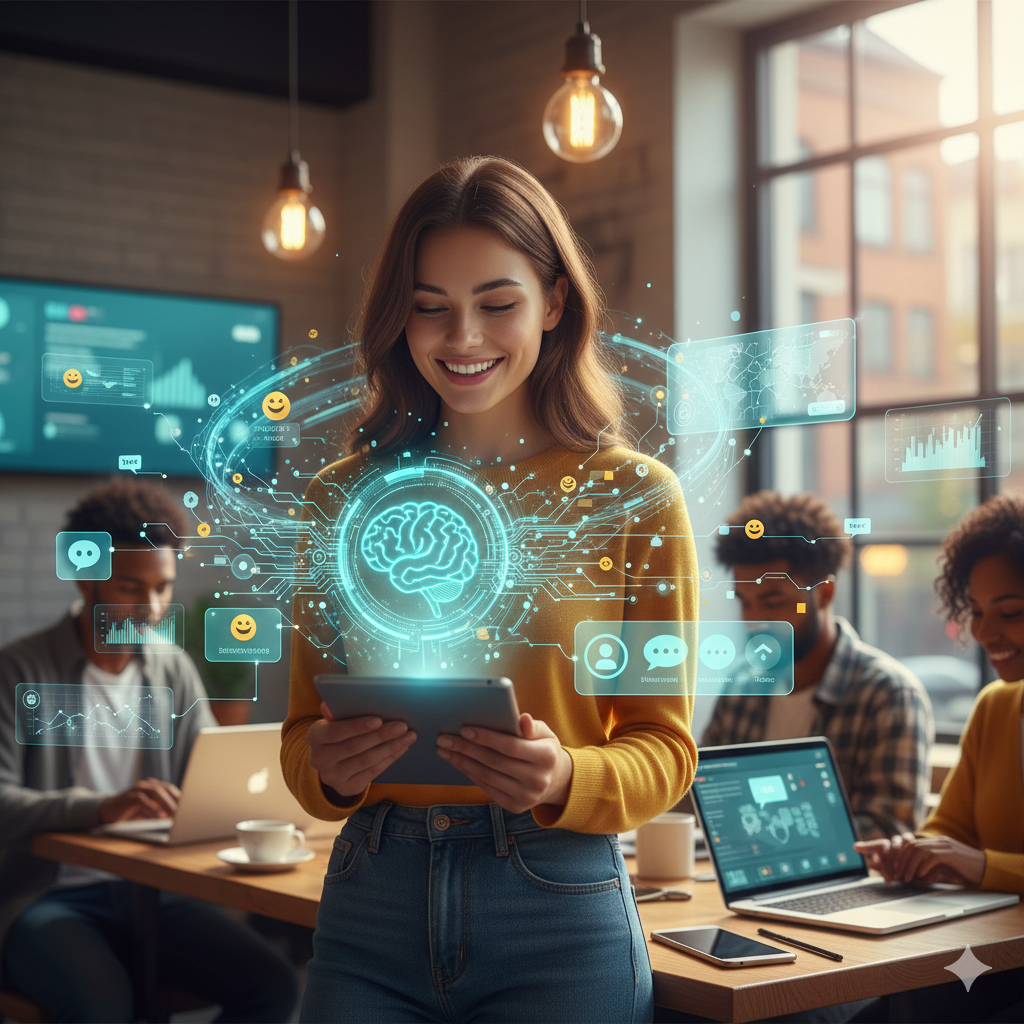

In today’s digital-first world, user experience (UX) is no longer a nice-to-have—it’s a competitive necessity. Users expect platforms to be fast, intuitive, personalized, and responsive. When those expectations aren’t met, they leave. This is where machine learning (ML) quietly but powerfully changes the game.
Machine learning enables systems to learn from user behavior, adapt in real time, and continuously improve experiences without manual intervention. From personalized recommendations to predictive design decisions, ML is redefining how businesses understand and serve their users.
This article explores how machine learning improves user experience, the technologies behind it, and why it has become essential for modern digital products.
Understanding the Role of Machine Learning in User Experience Design
Machine learning is a subset of artificial intelligence that allows systems to identify patterns, learn from data, and make decisions with minimal human input. In UX design, ML bridges the gap between what users want and how platforms respond.
Instead of relying solely on static user personas or assumptions, machine learning analyzes real-time data such as:
- Click behavior
- Navigation paths
- Time spent on pages
- Purchase history
- Search intent
This data-driven approach enables platforms to deliver experiences that feel intuitive, relevant, and personal.
Why User Experience Matters More Than Ever in the Digital Age
Users today interact with dozens of digital platforms daily. They subconsciously compare each experience to the best one they’ve had—often from tech giants like Google, Netflix, or Amazon.
Poor UX leads to:
- Higher bounce rates
- Lower engagement
- Reduced customer loyalty
- Lost revenue
Machine learning helps businesses anticipate user needs instead of reacting to them, which dramatically improves satisfaction and retention.
Need Help With Your Marketing or Website?
Not getting enough leads or sales? Get a free consultation and discover how to improve your website and marketing.
- Find out what may be stopping visitors from contacting you
- Discover where your website or marketing could perform better
- Get clear recommendations to improve leads, calls, and conversions
Personalized User Experiences Powered by Machine Learning Algorithms
How Machine Learning Enables Personalization at Scale
One of the most visible ways machine learning improves UX is personalization. ML algorithms analyze user data to deliver content, products, and interfaces tailored to individual preferences.
Examples include:
- Netflix recommending shows based on viewing history
- Spotify curating personalized playlists
- E-commerce platforms displaying relevant products
Personalization powered by ML goes beyond basic segmentation. It adapts continuously as user behavior changes, making experiences feel more human and less generic.
Predictive User Behavior Analysis for Smarter UX Decisions
Anticipating User Needs Before They Act
Machine learning models can predict what users are likely to do next by analyzing historical behavior patterns. This predictive capability allows designers and product teams to optimize journeys proactively.
Common UX improvements driven by predictive ML include:
- Preloading content users are likely to click
- Suggesting actions before users search
- Reducing steps in high-conversion workflows
By minimizing friction, machine learning creates smoother and faster user journeys.
Improving Website Navigation Using Machine Learning Insights
Navigation issues are one of the most common causes of poor user experience. Machine learning helps identify where users struggle, hesitate, or abandon sessions.
ML tools analyze:
- Heatmaps
- Scroll behavior
- Click-through paths
These insights help designers restructure menus, highlight important content, and simplify complex navigation—resulting in interfaces that feel intuitive rather than overwhelming.
Enhancing Search Functionality with Machine Learning Models
From Keyword Matching to Intent Understanding
Traditional search relies on exact keyword matching. Machine learning-based search understands user intent, even when queries are vague or misspelled.
Advanced ML-powered search features include:
- Semantic search
- Auto-suggestions
- Personalized search results
- Voice and natural language queries
This dramatically improves UX by helping users find what they need faster and with less effort.
Real-Time User Experience Optimization Through Machine Learning
Machine learning enables platforms to adjust experiences in real time based on live user interactions.
Examples of real-time ML UX optimization:
- Dynamic layouts based on user behavior
- Adaptive content recommendations
- Real-time A/B testing
Instead of waiting weeks for manual UX analysis, machine learning continuously refines experiences as users interact with the platform.
Chatbots and Virtual Assistants: Machine Learning in Action
Improving Customer Support and Engagement
ML-powered chatbots have transformed customer support and user interaction. Unlike rule-based bots, machine learning chatbots improve over time by learning from conversations.
Benefits for UX include:
- 24/7 instant support
- Faster issue resolution
- Reduced user frustration
- Consistent responses
When designed correctly, chatbots enhance user confidence and reduce drop-offs caused by unanswered questions.
Machine Learning and Emotional UX: Understanding User Sentiment
Sentiment analysis powered by machine learning allows platforms to understand how users feel—not just what they do.
ML models analyze:
- Text feedback
- Reviews
- Support tickets
- Social media mentions
This emotional intelligence helps businesses adjust tone, messaging, and interface design to better align with user expectations and moods.
Reducing User Friction with Automated UX Improvements
Machine learning excels at identifying friction points users may not explicitly report. These can include:
- Slow-loading pages
- Confusing form fields
- Repetitive steps
ML-driven automation detects these issues early and recommends design improvements, helping teams fix problems before they impact large user groups.
Accessibility Improvements Using Machine Learning Technologies
Making Digital Products More Inclusive
Machine learning plays a growing role in accessibility by adapting interfaces to users with different abilities.
Examples include:
- Voice-based navigation
- Image recognition for screen readers
- Real-time captioning
- Personalized font and contrast adjustments
These improvements ensure better UX for all users, not just the majority.
Ethical Use of Machine Learning in User Experience Design
While machine learning enhances UX, it must be implemented responsibly. Poor data practices can lead to biased recommendations, privacy concerns, and loss of trust.
Best practices include:
- Transparent data usage
- Ethical algorithm design
- User consent and control
- Regular model audits
Trust is a critical part of user experience, and ethical ML ensures that trust is preserved.
Machine Learning UX Case Studies Across Industries
Machine learning-driven UX improvements are visible across industries:
- E-commerce: Personalized product feeds and pricing
- Finance: Fraud detection with minimal user disruption
- Healthcare: Predictive appointment reminders
- Education: Adaptive learning platforms
These real-world applications demonstrate how ML-driven UX delivers measurable business value.
Future Trends: How Machine Learning Will Shape UX Design
The future of UX design will be deeply intertwined with machine learning. Emerging trends include:
- Hyper-personalized interfaces
- Emotion-aware systems
- Predictive design frameworks
- Fully adaptive user journeys
As ML models become more advanced, user experiences will feel less like interfaces and more like conversations.
Final Thoughts: Why Machine Learning Is Essential for Exceptional User Experience
Machine learning is no longer optional for businesses that care about user experience. It enables personalization, prediction, accessibility, and continuous improvement at a scale that traditional UX methods simply cannot match.
By leveraging machine learning responsibly, organizations can transform raw data into meaningful, intuitive, and delightful user experiences—experiences that keep users engaged, loyal, and satisfied.