In today’s fast-paced digital world, customers expect speed, convenience, and personalization at every touchpoint. Long queues, manual processes, and outdated service systems no longer meet modern expectations. This is where digital kiosks step in.
From retail stores and restaurants to hospitals, airports, and banks, self-service kiosks are transforming how businesses interact with customers. They are not just machines with touchscreens—they are experience enhancers that streamline operations while empowering customers with control.
Let’s explore how digital kiosks significantly improve customer experience and why they’ve become a strategic investment for forward-thinking businesses.
1. Faster Service with Reduced Waiting Times
One of the biggest frustrations customers face is waiting in long lines. Whether it’s ordering food, checking in for a flight, or paying bills, waiting negatively impacts satisfaction.
Digital kiosks reduce queues by:
- Allowing multiple customers to self-serve simultaneously
- Speeding up ordering and payment processes
- Automating check-ins and registrations
For example, quick-service restaurants using self-order kiosks often report faster order completion times and improved customer flow during peak hours.
Result: Shorter wait times = Happier customers.
2. 24/7 Availability for Greater Convenience
Unlike human staff, digital kiosks don’t need breaks. They provide round-the-clock service in:
- Hospitals for patient check-in
- Airports for boarding pass printing
- Retail stores for price checks
- Hotels for self-check-in and check-out
This ensures customers can access services anytime, enhancing convenience and trust.
Need Help With Your Marketing or Website?
Not getting enough leads or sales? Get a free consultation and discover how to improve your website and marketing.
- Find out what may be stopping visitors from contacting you
- Discover where your website or marketing could perform better
- Get clear recommendations to improve leads, calls, and conversions
3. Enhanced Customer Control and Independence
Modern customers value autonomy. Digital kiosks empower them to:
- Browse products at their own pace
- Customize orders without pressure
- Review information carefully before payment
This sense of control increases comfort, especially for customers who prefer limited human interaction.
4. Personalized Experiences Through Smart Technology
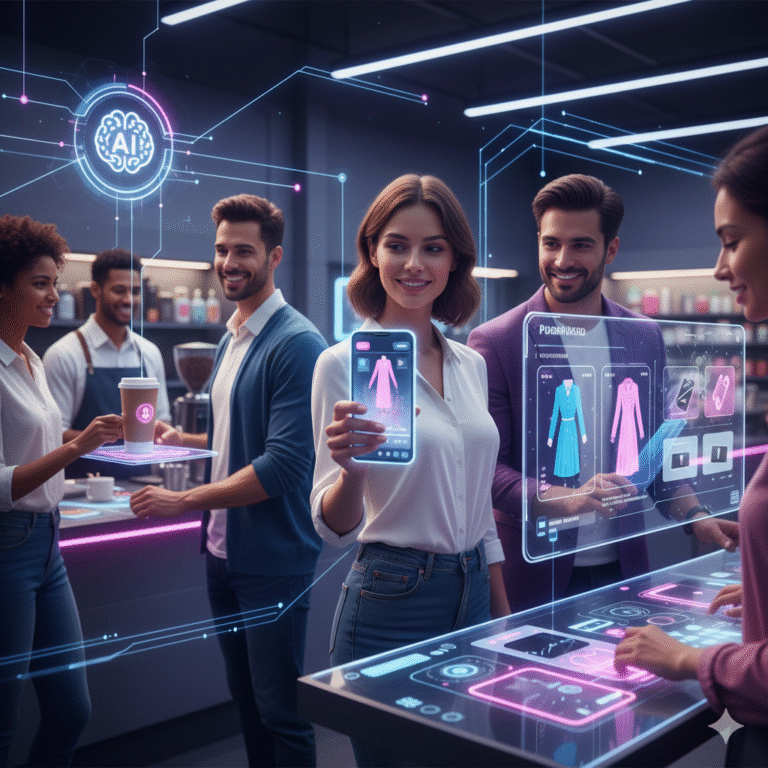
Advanced digital kiosks integrate with CRM systems and AI-powered software to deliver personalized recommendations.
For instance:
- Retail kiosks suggest complementary products
- Restaurant kiosks recommend add-ons based on previous purchases
- Healthcare kiosks recall patient history for quicker processing
Personalization makes customers feel valued and understood.
5. Improved Order Accuracy
Human errors in manual order-taking can lead to dissatisfaction. Kiosks eliminate miscommunication by allowing customers to input their own selections.
Benefits include:
- Reduced wrong orders
- Clear item descriptions and pricing
- Visual confirmation before payment
Accuracy directly contributes to better customer satisfaction and fewer complaints.
6. Contactless and Safe Transactions
Since the pandemic, customers prioritize hygiene and minimal physical contact. Digital kiosks support:
- Contactless payments
- QR code scanning
- Digital receipts
- Touchless interaction technology
This boosts customer confidence and promotes a safer environment.
7. Seamless Payment Integration
Modern kiosks support multiple payment methods, including:
- Credit and debit cards
- Mobile wallets
- NFC payments
- Digital banking apps
Flexible payment options eliminate friction and speed up checkout processes.
8. Multilingual Support for Diverse Audiences
In airports, tourist destinations, and multicultural cities, language barriers can affect service quality.
Digital kiosks offer multilingual interfaces, making it easier for customers to navigate services independently. This inclusivity enhances accessibility and customer satisfaction.
9. Reduced Staff Pressure, Better Human Interaction
Contrary to popular belief, kiosks do not eliminate jobs—they optimize them.
When routine tasks are automated:
- Staff can focus on complex customer needs
- Employees provide better personalized assistance
- Service quality improves overall
Customers benefit from both speed and meaningful human support.
10. Data-Driven Improvements for Continuous Enhancement
Digital kiosks collect valuable data such as:
- Customer preferences
- Peak hours
- Popular products
- Transaction patterns
Businesses use this data to refine services, improve layouts, and introduce targeted promotions—ultimately enhancing the customer journey.
Real-World Industry Applications of Digital Kiosks
Retail Stores
Retail kiosks provide:
- Self-checkout
- Product search functionality
- Inventory checks
- Endless aisle solutions
Customers enjoy convenience while stores increase efficiency.
Quick-Service Restaurants
Self-order kiosks increase:
- Average order value (through upselling prompts)
- Order accuracy
- Customer throughput
Many restaurant chains report significant sales growth after implementing kiosks.
Healthcare Facilities
Hospitals use kiosks for:
- Patient check-in
- Appointment scheduling
- Information access
- Bill payments
This reduces administrative workload and speeds up patient processing.
Hospitality Industry
Hotels integrate kiosks for:
- Express check-in
- Room key dispensing
- Concierge services
Guests experience faster service and minimal waiting.
Transportation and Airports
Airports rely on kiosks for:
- Boarding pass printing
- Baggage tagging
- Flight updates
This enhances operational efficiency and passenger convenience.
Key Benefits of Digital Kiosks for Customer Experience
✔ Reduced waiting times
✔ Improved service speed
✔ Greater personalization
✔ Enhanced payment flexibility
✔ Increased order accuracy
✔ Contactless convenience
✔ Multilingual accessibility
✔ Data-driven service improvements
The Future of Digital Kiosk Technology
As AI, machine learning, and IoT continue to evolve, digital kiosks will become even smarter. Future innovations may include:
- Facial recognition for instant check-in
- Voice-controlled navigation
- Predictive product suggestions
- Biometric payment systems
Businesses that adopt digital kiosks early position themselves as customer-centric leaders in their industries.
Final Thoughts: Why Digital Kiosks Are Essential for Modern Customer Experience
Customer expectations have changed permanently. Speed, convenience, personalization, and safety are no longer luxuries—they are standards.
Digital kiosks bridge the gap between technology and human service, delivering a seamless experience that benefits both businesses and customers. Companies investing in kiosk technology are not just automating processes—they are redefining customer journeys.