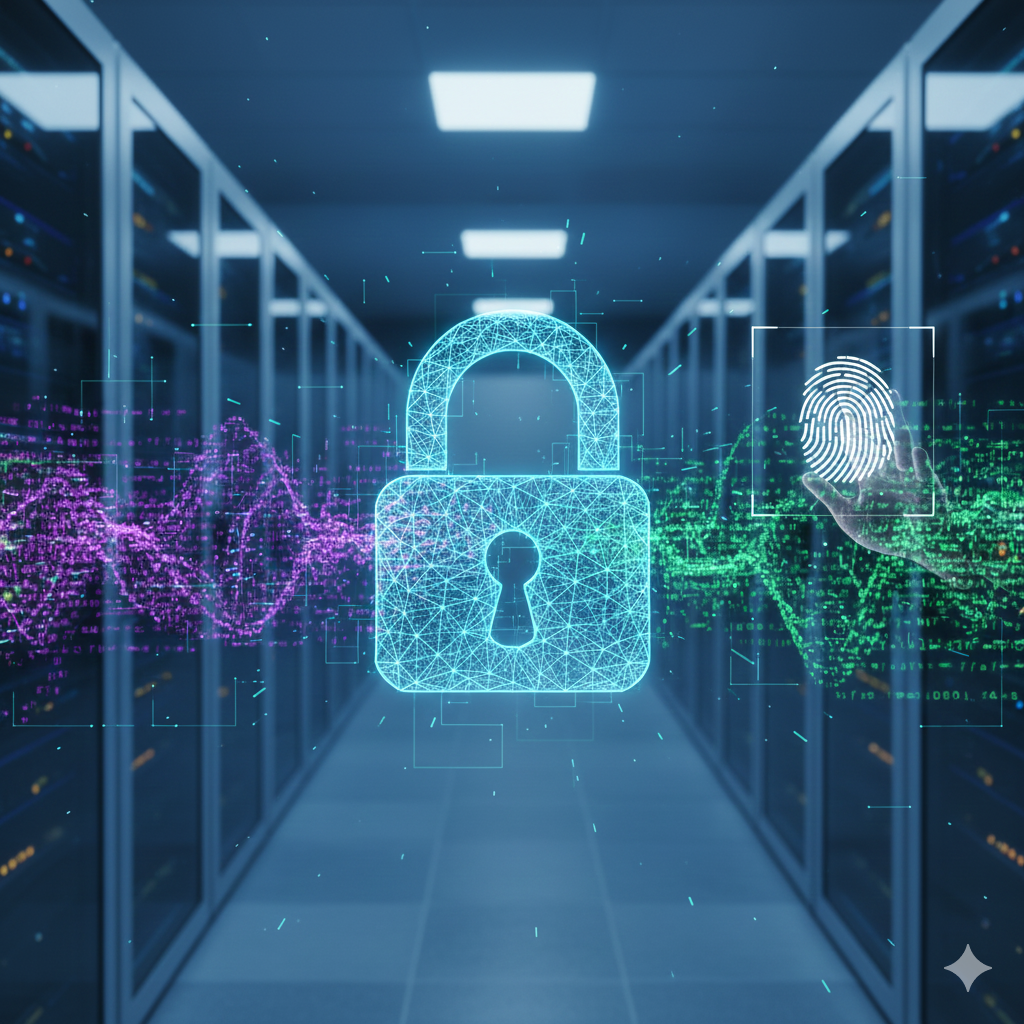

In today’s digital-first world, data has become one of the most valuable assets for businesses, governments, and individuals alike. From personal emails and financial transactions to confidential business strategies and healthcare records, sensitive information is constantly being created, shared, and stored online. However, with the rise of cybercrime, data breaches, and unauthorized access, protecting this information has never been more critical.
This is where data encryption plays a vital role. Encryption acts as a powerful shield, ensuring that even if sensitive data falls into the wrong hands, it remains unreadable and unusable. In this in-depth guide, we’ll explore how data encryption protects sensitive information, why it’s essential, how it works, and how organizations can implement it effectively to strengthen their cybersecurity posture.
What Is Data Encryption and Why Does It Matter?
Data encryption is the process of converting readable information (plaintext) into an unreadable format (ciphertext) using mathematical algorithms and encryption keys. Only authorized parties with the correct decryption key can access and interpret the original data.
In simple terms, encryption ensures that data remains confidential, even when intercepted, stolen, or accessed without permission.
Why Data Encryption Is Critical in the Digital Age
- Cyberattacks and data breaches are increasing year after year
- Remote work and cloud storage have expanded the attack surface
- Regulatory requirements demand stronger data protection
- Consumers expect businesses to safeguard their personal data
Without encryption, sensitive information is vulnerable at every stage—from storage to transmission.
How Data Encryption Works: A Simple Explanation
At its core, data encryption relies on algorithms and encryption keys.
- Plaintext Data – Original readable information
- Encryption Algorithm – A mathematical formula that scrambles the data
- Encryption Key – A unique code used to encrypt and decrypt the data
- Ciphertext – Encrypted, unreadable data
When data is encrypted, it becomes useless to anyone who does not possess the correct key, making encryption a fundamental security mechanism.
Need Help With Your Marketing or Website?
Not getting enough leads or sales? Get a free consultation and discover how to improve your website and marketing.
- Find out what may be stopping visitors from contacting you
- Discover where your website or marketing could perform better
- Get clear recommendations to improve leads, calls, and conversions
Types of Data Encryption Used to Protect Sensitive Information
Understanding different encryption methods helps organizations choose the right approach based on their needs.
Symmetric Encryption: Fast and Efficient Data Protection
Symmetric encryption uses a single shared key for both encryption and decryption.
Key Characteristics:
- Faster than other encryption methods
- Ideal for encrypting large volumes of data
- Requires secure key management
Common Symmetric Encryption Algorithms:
- AES (Advanced Encryption Standard)
- DES (Data Encryption Standard – now outdated)
AES is widely considered the gold standard for protecting sensitive data.
Asymmetric Encryption: Secure Data Exchange and Authentication
Asymmetric encryption uses two keys:
- A public key for encryption
- A private key for decryption
Benefits of Asymmetric Encryption:
- More secure key distribution
- Ideal for secure communication and authentication
- Commonly used in SSL/TLS protocols
Popular algorithms include RSA and ECC (Elliptic Curve Cryptography).
Encryption at Rest: Protecting Stored Data from Unauthorized Access
Encryption at rest safeguards data stored on devices, servers, databases, and cloud platforms.
Why Encryption at Rest Is Essential:
- Protects data if systems are hacked or stolen
- Prevents insider threats from accessing raw data
- Ensures compliance with data protection regulations
Examples include encrypted hard drives, databases, and cloud storage services.
Encryption in Transit: Securing Data During Transmission
Encryption in transit protects data as it moves between systems, devices, or networks.
Common Use Cases:
- Secure websites using HTTPS
- Email encryption
- Secure file transfers
Protocols like SSL/TLS ensure that data cannot be intercepted or altered during transmission.
How Data Encryption Protects Sensitive Information from Cyber Threats
Encryption provides multiple layers of protection against modern cyber risks.
Preventing Data Breaches and Unauthorized Access
Even if attackers gain access to encrypted databases, they cannot read or use the data without the decryption keys. This dramatically reduces the impact of breaches.
Protecting Personal and Financial Information
Sensitive data such as:
- Credit card numbers
- Banking credentials
- Social Security numbers
- Login passwords
remain protected through strong encryption methods, preventing identity theft and financial fraud.
Securing Cloud Data and Remote Work Environments
With cloud computing and remote work becoming standard, encryption ensures data remains protected across multiple devices, locations, and networks.
Meeting Compliance and Regulatory Requirements
Encryption helps organizations comply with major data protection laws such as:
- GDPR (General Data Protection Regulation)
- HIPAA (Health Insurance Portability and Accountability Act)
- PCI DSS (Payment Card Industry Data Security Standard)
Failure to encrypt sensitive data can lead to legal penalties and reputational damage.
Real-World Applications of Data Encryption
Encryption is not just a theoretical concept—it’s actively used across industries.
Data Encryption in Healthcare Systems
Medical records contain highly sensitive personal information. Encryption ensures patient confidentiality and compliance with healthcare regulations.
Encryption in Financial Institutions and Banking
Banks rely on encryption to protect:
- Online transactions
- Customer accounts
- Payment systems
Without encryption, modern digital banking would not be possible.
Encryption in E-Commerce and Online Transactions
Secure payment gateways use encryption to protect customer data during checkout and payment processing.
Encryption in Government and Defense Systems
Governments use advanced encryption to protect classified information and national security data from cyber espionage.
Challenges and Limitations of Data Encryption
While encryption is powerful, it’s not without challenges.
Key Management Complexity
Encryption is only as strong as its key management. Poor handling of encryption keys can lead to data loss or unauthorized access.
Performance and Processing Overhead
Encrypting and decrypting large amounts of data can impact system performance, especially without proper infrastructure.
Human Error and Misconfiguration Risks
Incorrect encryption implementation or misconfigured systems can weaken security and expose sensitive data.
Best Practices for Implementing Strong Data Encryption
To maximize protection, organizations should follow proven encryption best practices.
Use Strong and Modern Encryption Algorithms
Always use industry-approved algorithms such as AES-256 or RSA-2048 for sensitive data protection.
Implement Robust Key Management Policies
- Rotate encryption keys regularly
- Store keys securely
- Restrict access to authorized users only
Encrypt Data Everywhere: At Rest and In Transit
A comprehensive encryption strategy protects data across its entire lifecycle.
Regularly Audit and Update Encryption Systems
Continuous monitoring and regular audits help identify vulnerabilities and ensure encryption remains effective against evolving threats.
The Future of Data Encryption and Information Security
As technology evolves, encryption continues to advance.
Emerging Trends:
- Quantum-resistant encryption
- Zero-trust security models
- End-to-end encryption across platforms
These innovations aim to address future cyber threats and maintain data privacy in an increasingly connected world.
Conclusion: Why Data Encryption Is Essential for Protecting Sensitive Information
Data encryption is no longer optional—it is a foundational element of modern cybersecurity. By converting sensitive information into unreadable data, encryption protects against breaches, unauthorized access, and data misuse. Whether you’re an individual, a small business, or a large enterprise, implementing strong encryption practices is critical to safeguarding trust, compliance, and long-term security.
In a world where data is constantly under threat, encryption remains one of the most effective and reliable tools for protecting what matters most.