
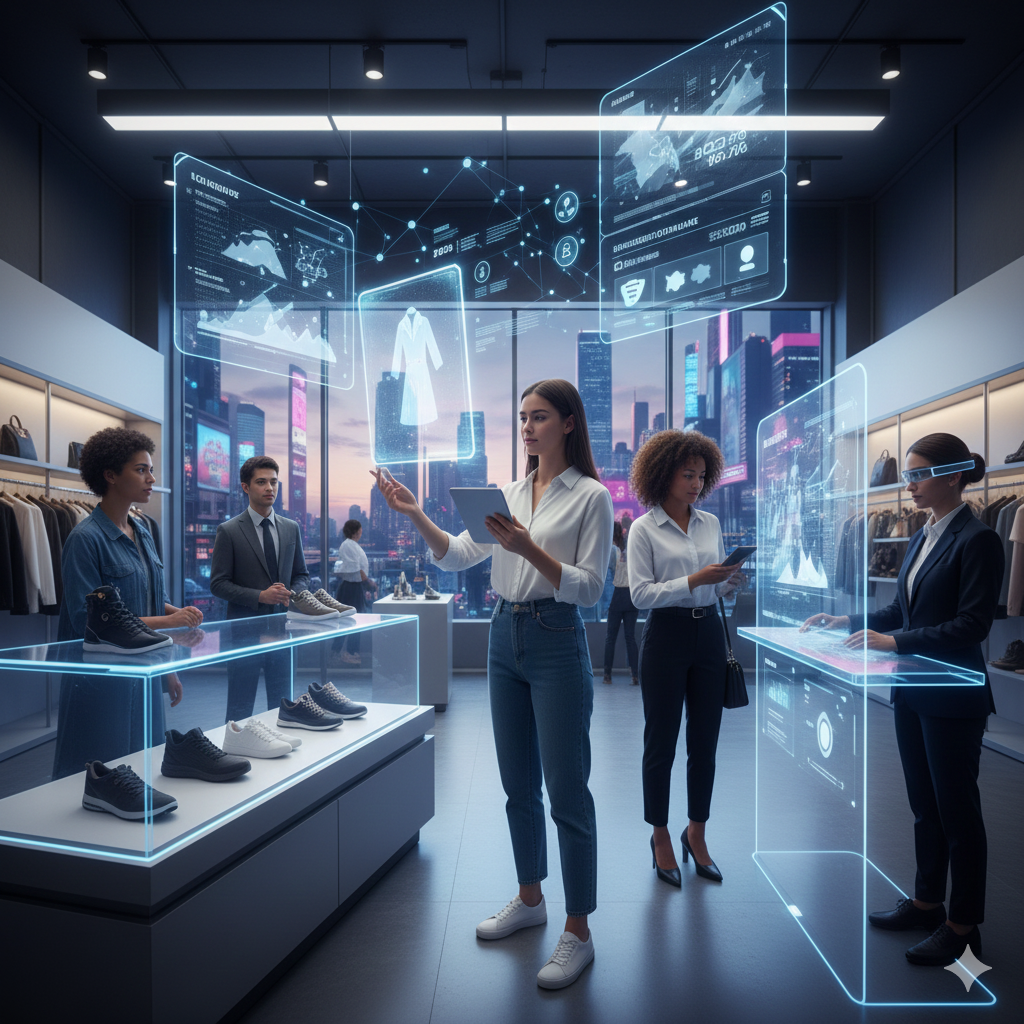

In today’s hyper-competitive retail landscape, businesses must continually innovate to stay ahead. One of the most significant advancements reshaping the industry is the adoption of custom mobile applications. Unlike generic off-the-shelf solutions, custom apps are specifically designed to cater to the unique needs of a business, offering unmatched flexibility, enhanced customer experience, and streamlined operations.
In this blog, we’ll dive deep into how custom apps are transforming retail businesses and why investing in one can be a game-changer.
1. Enhanced Customer Engagement Through Personalized Experiences
Retailers are no longer just selling products—they’re selling experiences. Custom apps allow businesses to offer personalized recommendations, exclusive deals, and loyalty programs directly to their customers’ smartphones. By analyzing customer behavior and purchase patterns, apps can push targeted notifications that increase engagement and repeat purchases.
For example, a fashion retailer can send personalized suggestions based on previous purchases, while a grocery app can remind users of items they frequently buy.
2. Streamlined Operations and Inventory Management
Custom apps don’t just improve customer interaction—they also optimize backend operations. Retailers can track inventory in real time, manage stock levels across multiple locations, and automate order processing. This minimizes human errors and ensures that shelves are always stocked with high-demand items.
The integration of real-time analytics also allows managers to forecast trends, making inventory management smarter and more efficient.
Need Help With Your Marketing or Website?
Not getting enough leads or sales? Get a free consultation and discover how to improve your website and marketing.
- Find out what may be stopping visitors from contacting you
- Discover where your website or marketing could perform better
- Get clear recommendations to improve leads, calls, and conversions
3. Omnichannel Integration for a Seamless Shopping Experience
Customers expect a seamless experience whether they shop online or in-store. Custom apps can bridge this gap through omnichannel integration, syncing online orders, in-store purchases, and loyalty points in one system.
This creates a unified shopping journey, allowing users to check product availability, place orders online, and pick them up in-store—a convenience that boosts satisfaction and sales.
4. Boosting Sales with Targeted Marketing Campaigns
Generic marketing campaigns often fail to resonate with the right audience. Custom apps enable retailers to run data-driven marketing campaigns directly on users’ devices. Push notifications, in-app banners, and personalized offers can significantly increase conversion rates.
A well-designed app also facilitates easy upselling and cross-selling, promoting related products to the right customers at the right time.
5. Building Brand Loyalty and Customer Retention
Loyalty programs are one of the most effective ways to retain customers. With a custom app, retailers can create digital loyalty cards, reward points systems, and referral programs that incentivize repeat purchases.
Unlike traditional loyalty cards that can be lost or forgotten, mobile-based programs remain accessible and engaging, strengthening customer loyalty over time.
6. Improving Data Collection and Insights
A custom retail app is not just a tool for sales—it’s a powerful source of business intelligence. By tracking customer behavior, purchase history, and engagement metrics, retailers can gain actionable insights to improve products, optimize pricing, and create personalized campaigns.
This data-driven approach allows retailers to make informed decisions and stay ahead of competitors.
7. Cost-Effective Solution in the Long Run
While the initial investment in a custom app may seem high, it often proves to be cost-effective over time. Apps reduce manual tasks, minimize human error, and cut down on marketing costs through targeted promotions.
Additionally, apps can automate customer support with AI chatbots, freeing staff for more strategic tasks and increasing operational efficiency.
8. Facilitating Mobile Commerce and Online Sales
Mobile commerce is growing exponentially, with more consumers preferring to shop directly from their smartphones. Custom apps allow retailers to create a smooth, mobile-friendly shopping experience, complete with secure payment gateways, easy navigation, and fast checkout options.
This not only increases sales but also expands the reach of the business beyond physical stores.
9. Enabling Real-Time Feedback and Customer Support
Customer feedback is invaluable for retail success. Custom apps make it easier for users to share reviews, report issues, and communicate directly with customer service teams. Real-time support improves satisfaction, builds trust, and encourages repeat business.
For example, in-app chat or AI-powered help desks can provide instant assistance, resolving issues before they escalate.
10. Future-Proofing Your Retail Business
Technology trends are evolving rapidly, and retailers who adopt custom apps gain a competitive edge. Custom solutions can be continuously updated to incorporate new features, emerging technologies, or changing customer expectations.
Investing in a custom app ensures that your retail business remains adaptable and resilient in an ever-changing market.
Conclusion
Custom apps are no longer a luxury—they are a necessity for retail businesses aiming to thrive in the digital age. From enhancing customer engagement and streamlining operations to boosting sales and building loyalty, the benefits are undeniable.
By investing in a tailored mobile solution, retailers can stay ahead of the competition, deliver exceptional experiences, and drive sustainable growth.
If you’re looking to transform your retail business, a custom app is the ultimate tool to connect, engage, and convert customers like never before.