
In today’s fast-paced world, local businesses face stiff competition and the ever-present challenge of standing out in a crowded marketplace. A solid digital marketing strategy is no longer optional—it's essential for local business growth. In fact, with the rise of mobile search, social media influence, and online reviews, it’s the key to reaching customers right where they are: online.
Need Help With Your Marketing or Website?
Not getting enough leads or sales? Get a free consultation and discover how to improve your website and marketing.
- Find out what may be stopping visitors from contacting you
- Discover where your website or marketing could perform better
- Get clear recommendations to improve leads, calls, and conversions
For many local businesses, developing an effective digital marketing strategy can seem overwhelming, but it doesn’t have to be. In this comprehensive blueprint, we’ll break down the critical components of a digital marketing strategy designed specifically for local businesses that want to grow, attract new customers, and drive long-term success.
Why Digital Marketing is Crucial for Local Business Growth
Before diving into strategies, it’s important to understand why digital marketing for local businesses is more vital than ever:
- Increased Online Search Behavior
According to recent statistics, near me searches have surged. For example, Google reported that 46% of all searches have local intent. This means people are actively looking for services and products near them, and if your business isn’t showing up online, you’re missing out on a huge market. - Cost-Effective Advertising
Traditional marketing methods like billboards, print ads, and TV commercials can drain a local business’s budget quickly. Digital marketing, on the other hand, allows you to target your audience with precision, ensuring that every dollar spent yields a measurable return on investment (ROI). - Engagement and Customer Loyalty
The ability to engage with customers through social media platforms, email campaigns, and content marketing builds relationships and boosts customer retention. Digital marketing offers tools for ongoing engagement that were previously unavailable through traditional methods.
The Digital Marketing Strategy Blueprint for Local Business Growth
Now that we understand the "why" behind digital marketing for local businesses, let’s dive into the actual blueprint for success. A well-rounded strategy will incorporate several key components, each designed to target a specific aspect of your local audience and drive results.
1. Optimize Your Website for Local SEO
Local Search Engine Optimization (SEO) is the cornerstone of any effective digital marketing strategy for local businesses. When potential customers search for products or services online, you want your business to appear at the top of their search results. Here’s how to optimize your website:
- Google My Business (GMB): Make sure your business is listed on Google My Business. This is a critical step for local businesses, as it helps Google recognize your business’s location and relevancy. Include your name, address, phone number (NAP), and business hours. Don’t forget to regularly update your listing and encourage customers to leave reviews.
- Keyword Research: Use tools like Google Keyword Planner or Ahrefs to identify long-tail keywords that people in your local area are searching for. For example, instead of just “plumber,” target “emergency plumber in [your city].”
- Local Landing Pages: If you serve multiple neighborhoods or regions, create dedicated landing pages for each. These pages should be optimized with local keywords, local customer testimonials, and localized content to improve visibility in search results.
- Mobile Optimization: With mobile usage on the rise, ensure your website is mobile-friendly. Google uses mobile-first indexing, meaning your mobile site quality affects your rankings.
2. Leverage Social Media for Local Engagement
Social media is a powerful tool for local businesses to build a community, engage with customers, and drive foot traffic. Here’s how to use social media strategically:
- Target Local Audiences on Facebook: Facebook’s robust targeting options allow you to create highly localized ads. You can target users based on geography, interests, behaviors, and more. Post regular updates, special promotions, and local events that resonate with your community.
- Instagram for Visual Appeal: Instagram is ideal for businesses that can showcase their products or services visually. Post high-quality photos, videos, and stories that highlight your business’s personality, products, or behind-the-scenes action. Use relevant local hashtags (#YourCityEats, #YourCityShopping) to reach a broader local audience.
- Use Google Ads for Local Targeting: Google Ads allows you to set location-specific targeting so your ads only appear to users in your geographic area. Use location extensions to display your address, phone number, and a map directly in the ad.
- Encourage User-Generated Content (UGC): Create a hashtag for your business and encourage customers to share photos of their experiences with your product or service. UGC is not only a form of social proof, but it also fosters community engagement and increases your reach.
3. Create High-Quality Content Marketing
Content marketing is a long-term strategy that can have a profound impact on your local business growth. Here’s how to get started:
- Blogging for Local SEO: Writing blogs about topics relevant to your business and community can boost your local SEO and provide value to potential customers. For example, a local restaurant might write a blog post titled “Top 10 Things to Do in [Your City] After Dining at [Your Restaurant Name].” This helps capture search traffic from people looking for local information.
- Video Marketing: Video is one of the most engaging forms of content on the internet. Create videos that showcase your products, services, customer testimonials, or even tutorials. Local businesses can also benefit from creating location-based content like “A Day in [Your City]” or “How to Get the Best [Service] in [Your City].”
- Educational Content and FAQs: Write informative content that answers common questions your customers have. For example, if you run a local auto repair shop, blog posts like “What to Do If Your Car Overheats in the Summer” can position your business as an authority in your field.
- Local News and Events Coverage: Partner with other local businesses or organizations to sponsor events or share community news on your blog or social media. This creates goodwill and positions your business as a key player in the local community.
4. Email Marketing for Local Business Growth
While email marketing might seem old-fashioned, it remains one of the most powerful tools for keeping customers engaged and driving repeat business. Here's how to make it work for you:
- Build an Email List: Offer discounts, exclusive deals, or free content in exchange for email sign-ups. Place sign-up forms on your website, social media pages, and during checkout.
- Personalized Campaigns: Use segmentation to send tailored messages to different groups of customers. For instance, send special offers for customers who haven’t visited in a while, or promote local events for people who live in the area.
- Follow-Up Emails: After a customer makes a purchase, send a follow-up email asking for feedback or offering an incentive to come back. This helps build a relationship and keeps your business top of mind.
- Local Event Invitations: Use email marketing to invite your local customers to special events, sales, or promotions. Highlight what makes your event unique to the local community.
5. Harness the Power of Reviews and Reputation Management
Local businesses depend heavily on reviews to build trust and credibility. In fact, 90% of consumers read online reviews before visiting a business. Here’s how to manage and leverage reviews:
- Claim Your Profiles: Make sure your business is listed on popular review sites like Google My Business, Yelp, and Facebook. Encourage customers to leave reviews, and always respond to them—whether positive or negative.
- Customer Testimonials: Display positive customer testimonials on your website and social media. These act as social proof, encouraging others to trust your business.
- Incentivize Reviews: Offer small incentives like discounts or freebies to customers who leave reviews. Just make sure you are following the review platform’s guidelines.
- Monitor Your Reputation: Use reputation management tools like Brand24 or Reputation.com to keep track of mentions of your business online and quickly address any issues that arise.
6. Track, Analyze, and Optimize
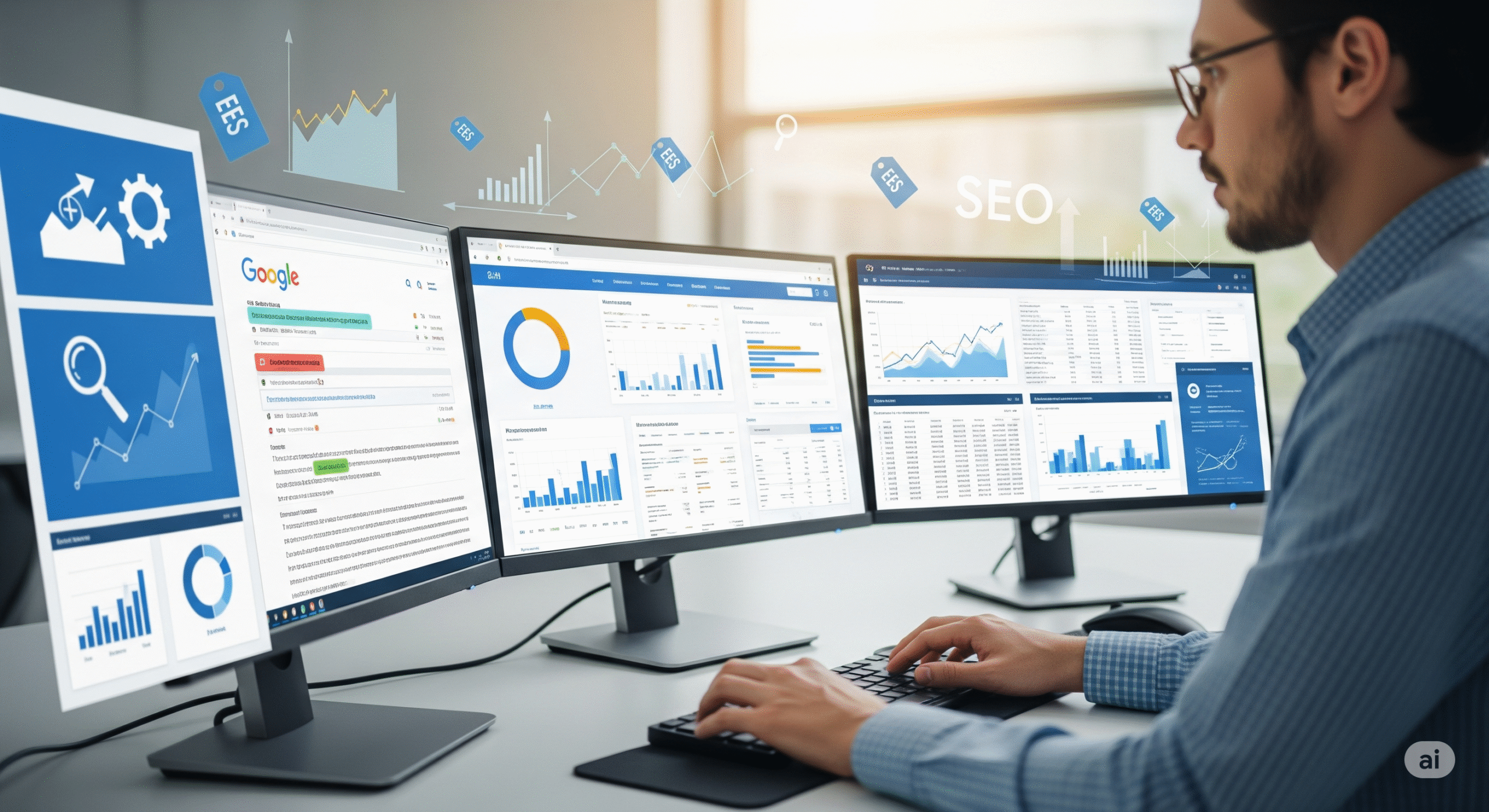
A crucial component of any digital marketing strategy is ongoing analysis. This allows you to track performance, understand what’s working, and optimize your efforts. Here’s how to stay on top:
- Google Analytics: Use Google Analytics to monitor your website traffic, conversion rates, and visitor behavior. Look for patterns that indicate which marketing tactics are most effective.
- Social Media Insights: Every social platform provides analytics tools to measure engagement, reach, and growth. Use these to fine-tune your social media strategy and create content that resonates with your audience.
- A/B Testing: Regularly test different ad creatives, landing pages, or email subject lines to see what yields the best results. Small tweaks can lead to big improvements in performance.
Conclusion: Scaling Your Local Business with Digital Marketing
In 2025, digital marketing for local businesses is not just a strategy—it’s an ongoing journey. By implementing the tactics outlined in this blueprint, your local business can tap into the immense power of the digital world, attract more customers, and sustain long-term growth.
From local SEO optimization to content marketing, social media engagement, and email campaigns, the steps to success are clear. However, the key to real success lies in consistent execution and a willingness to adapt as new digital trends emerge. Keep refining your strategies, track your progress, and never stop learning. The future