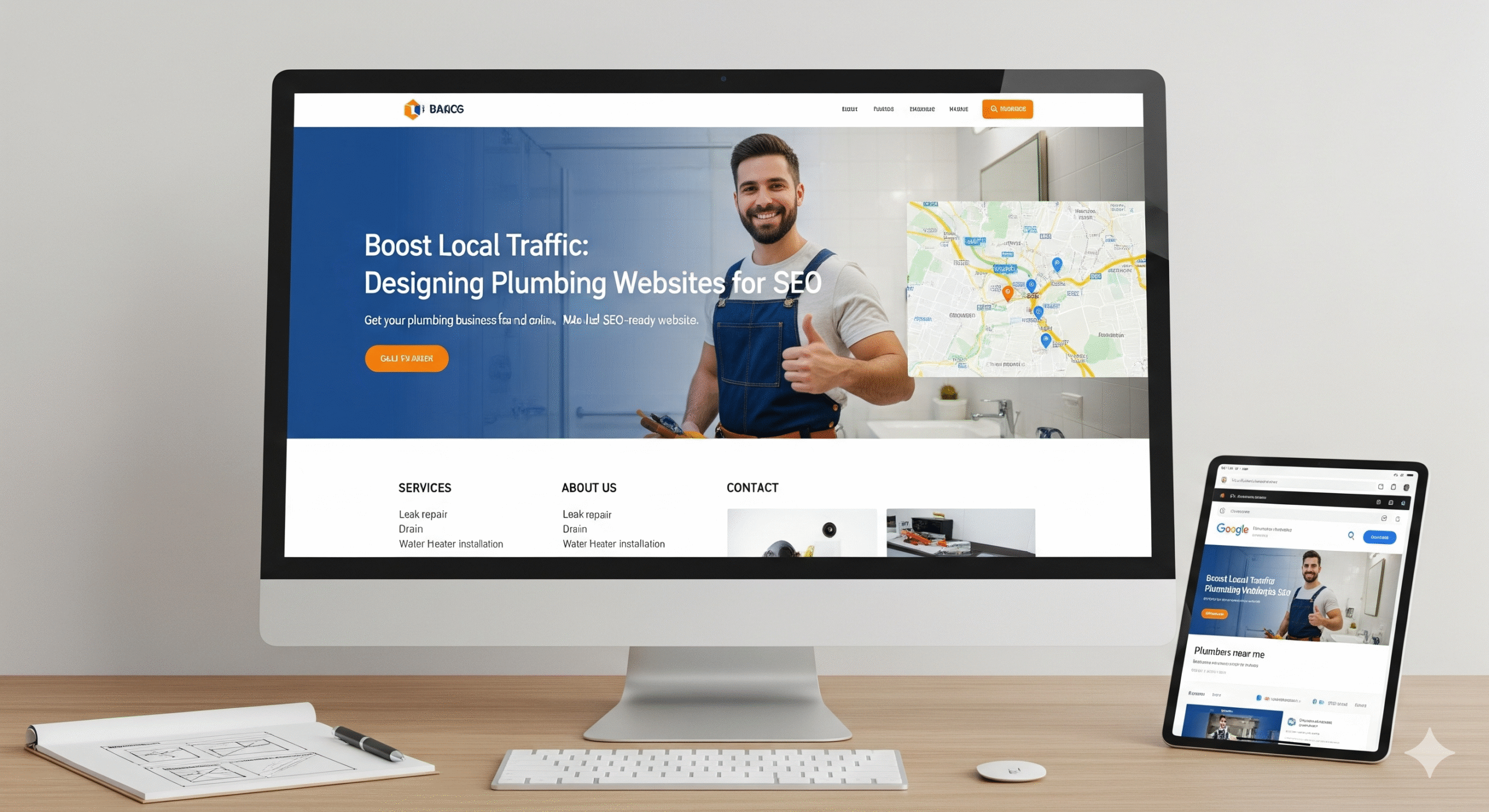

When it comes to plumbing services, local customers are your lifeblood. They need fast, reliable solutions for everything from a leaky faucet to a full bathroom renovation. But how do you make sure your plumbing business gets noticed in the crowded online marketplace? The answer lies in designing a plumbing website specifically optimized for SEO — especially local SEO.
In this comprehensive guide, we’ll explore the key strategies to boost local traffic through effective website design and SEO techniques tailored for plumbing businesses. Whether you’re a plumber starting fresh online or a seasoned business looking to improve your digital footprint, these insights will help you attract more local leads and convert visitors into loyal customers.
Why Local SEO Matters for Plumbing Businesses
Before diving into website design specifics, it’s important to understand why local SEO is crucial for plumbers. Plumbing services are inherently local—people typically search for “plumbers near me” or “emergency plumber in [city].” Without a strong local SEO presence, your business risks being invisible to the very customers you want to attract.
Key reasons local SEO is essential for plumbers:
Targeted Traffic: Local SEO ensures your site shows up in front of people actively searching for plumbing services in your area.
Higher Conversion Rates: Local leads are more likely to convert since they’re looking for immediate solutions nearby.
Competitive Advantage: Many small plumbing businesses overlook SEO, so investing in it gives you an edge over local competitors.
Mobile Optimization: Most local searches happen on mobile devices, making mobile-friendly design critical.
How to Design a Plumbing Website That Attracts Local Customers
Designing your website for SEO isn’t just about aesthetics. It’s about combining user-friendly design with technical SEO and content strategies that help search engines understand and rank your site.
- Build a Mobile-Friendly and Fast Website
Since local customers often search on their smartphones, your website must be fully responsive and load quickly. A slow or clunky site will frustrate users and increase bounce rates, hurting your SEO rankings.
Best practices:
Use a clean, responsive theme.
Optimize images without sacrificing quality.
Minimize heavy scripts and plugins.
Use tools like Google PageSpeed Insights to test and improve speed.
- Use Localized Keyword Research for Content
Don’t just target generic keywords like “plumber” or “plumbing services.” Focus on long-tail, localized keywords that match how customers search.
Examples include:
“Emergency plumber in [City]”
“Water heater repair near me”
“Affordable drain cleaning in [Neighborhood]”
Use Google’s Keyword Planner or tools like Ahrefs and SEMrush to discover high-volume local search terms. Then naturally incorporate them into your website’s pages, blog posts, and meta tags.
- Create Dedicated Service Pages for Each Local Area You Serve
If you cover multiple neighborhoods or nearby towns, make separate pages for each location. This strategy, known as “local landing pages,” signals to search engines that your business operates in those areas.
For example:
Plumbing Services in Downtown [City]
Water Leak Repair in [Suburb Name]
Emergency Plumbing in [Nearby Town]
Each page should have unique content tailored to that location, including local landmarks, testimonials from customers there, and relevant keywords.
- Optimize Your Google My Business Listing
Your Google My Business (GMB) profile is critical for local SEO. Make sure it’s completely filled out and regularly updated with:
Your business name, address, and phone number (NAP)
Operating hours
Photos of your work and team
Customer reviews and responses
Posts about special offers or service updates
A well-maintained GMB listing boosts your chances of appearing in the coveted “Local Pack” at the top of search results.
Creating SEO-Friendly Content for Plumbing Websites
Content is king, even for plumbing businesses. Google rewards websites that provide valuable, relevant, and original information to users.
- Publish Educational and Problem-Solving Blog Posts
Write blog posts that answer common plumbing questions and solve local problems. This builds trust and positions you as an expert in your field.
Examples of effective blog topics:
“How to Prevent Frozen Pipes This Winter in [City]”
“Signs You Need Emergency Drain Cleaning”
“Top 5 Plumbing Maintenance Tips for Homeowners in [Neighborhood]”
Use long-tail keywords naturally within the content and include local references to improve relevance.
- Use Schema Markup to Help Search Engines Understand Your Site
Schema markup is a type of structured data that helps search engines understand your business details, reviews, services, and more. Adding schema improves your chance of rich snippets — those eye-catching listings with ratings and business info in search results.
For plumbing websites, use:
Local Business schema
Service schema
Review schema
There are many plugins and tools available to simplify adding schema to your site.
Technical SEO Tips to Improve Local Rankings
- Ensure NAP Consistency Across the Web
Your Name, Address, and Phone number (NAP) must be exactly the same on your website, Google My Business, social profiles, and all online directories. Inconsistent info confuses search engines and weakens your local rankings.
- Use Local Backlinks to Build Authority
Getting backlinks from other local businesses, chambers of commerce, suppliers, and community websites strengthens your site’s authority and local SEO.
Reach out for partnerships, sponsorships, or guest posting opportunities that earn you these valuable backlinks.
Designing for User Experience: Keep Visitors Engaged and Convert Leads
Great SEO brings visitors to your site, but a poor user experience drives them away. Make sure your plumbing website converts traffic into customers with the following design tips:
- Clear Calls to Action (CTAs) Everywhere
Use prominent CTAs like:
“Request a Free Quote”
“Call Now for Emergency Service”
“Schedule Your Plumbing Inspection Today”
Place CTAs on every page, especially the homepage, service pages, and blog posts.
- Easy-to-Find Contact Information
Your phone number, email, and physical address should be visible on every page—preferably in the header or footer. Include a click-to-call button for mobile users.
- Showcase Testimonials and Reviews
Featuring real customer reviews builds trust and social proof. Include a dedicated testimonials page and sprinkle quotes throughout the site.
Monitoring and Improving Your Plumbing Website SEO Over Time
SEO isn’t a one-time project — it’s an ongoing effort. Here’s how to keep your site performing well:
- Use Analytics to Track Local Traffic and Conversions
Set up Google Analytics and Google Search Console to monitor where your visitors come from and which pages drive the most leads. Adjust your content and keywords based on data insights.
- Regularly Update Content and Add New Blog Posts
Keep your site fresh with regular updates and new posts. This signals to Google that your business is active and authoritative.
- Ask for Customer Reviews and Respond Quickly
Encourage happy customers to leave reviews on Google and other platforms. Always respond professionally, whether the review is positive or negative.
Need Help With Your Marketing or Website?
Not getting enough leads or sales? Get a free consultation and discover how to improve your website and marketing.
- Find out what may be stopping visitors from contacting you
- Discover where your website or marketing could perform better
- Get clear recommendations to improve leads, calls, and conversions
Final Thoughts: Invest in SEO-Optimized Plumbing Website Design for Long-Term Growth
A well-designed, SEO-optimized plumbing website is your most powerful marketing asset for attracting local customers. It not only drives traffic but also builds credibility, establishes your expertise, and converts visitors into paying clients.
By focusing on mobile-friendly design, localized keywords, quality content, and strong technical SEO, you’ll position your plumbing business to dominate local search results and grow sustainably over time.
Ready to boost your local traffic and get more plumbing leads? Start optimizing your website today!