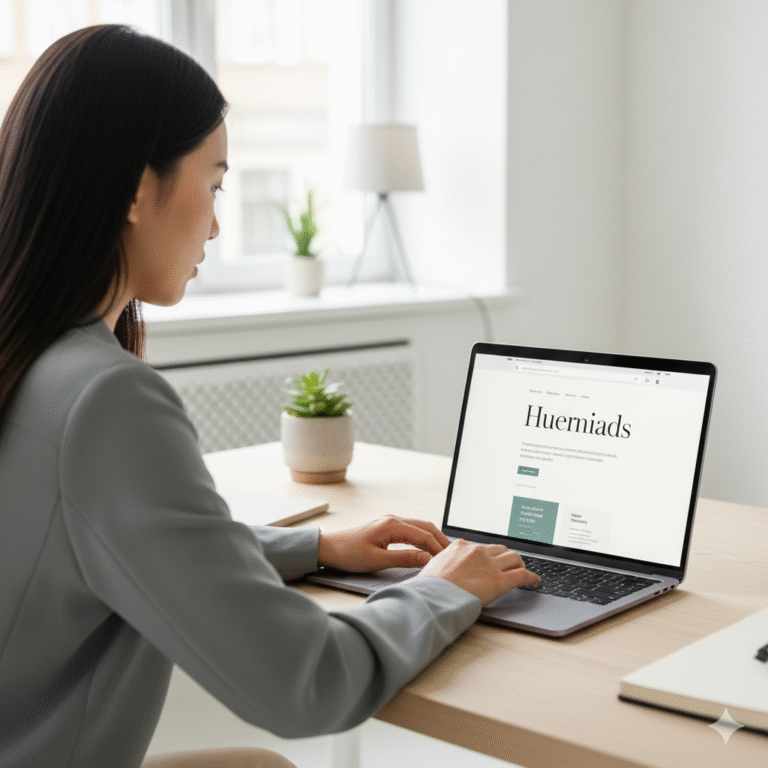

In today’s digital age, websites are more than just an online presence—they’re the face of businesses, organizations, and individuals. But have you ever considered whether your website is accessible to everyone, including people with disabilities? Accessibility in web design is no longer a nice-to-have; it’s essential for creating inclusive, functional, and successful websites.
In this article, we’ll explore why accessibility matters, its benefits, and actionable strategies for making your web design more inclusive.
What is Web Accessibility?
Web accessibility refers to designing and developing websites that can be used by all people, regardless of disabilities or limitations. Disabilities can include:
- Visual impairments (blindness, low vision, color blindness)
- Hearing impairments (deafness, partial hearing loss)
- Cognitive disabilities (learning disorders, memory issues)
- Motor impairments (difficulty using a mouse or keyboard)
Accessible web design ensures that every user can interact with content, navigate efficiently, and complete tasks without barriers.
Why Accessibility in Web Design Matters
1. Inclusivity and Social Responsibility
Creating an accessible website shows your commitment to inclusivity. It ensures that everyone—regardless of physical or cognitive abilities—can access your content. Accessibility is not only a moral imperative but also a reflection of your brand values.
2. Legal Compliance
Many countries have regulations mandating web accessibility, such as:
- Americans with Disabilities Act (ADA) in the U.S.
- Web Content Accessibility Guidelines (WCAG) worldwide
- European Accessibility Act (EAA) in the EU
Failing to comply with these regulations can result in legal consequences, fines, and reputational damage.
3. Improved User Experience
Accessible websites aren’t just for people with disabilities—they benefit all users. Features like clear navigation, readable fonts, and properly structured content make your site easier to use, faster to navigate, and more enjoyable for everyone.
4. SEO Benefits
Search engines favor websites with accessible features. For example, alt text for images, proper heading structure, and descriptive links improve your SEO performance. Accessibility and search engine optimization go hand-in-hand.
5. Expanding Audience Reach
Approximately 1 billion people worldwide live with some form of disability. Ignoring accessibility means excluding a significant portion of potential visitors, customers, or clients. Inclusive design helps reach a wider audience and fosters brand loyalty.
Need Help With Your Marketing or Website?
Not getting enough leads or sales? Get a free consultation and discover how to improve your website and marketing.
- Find out what may be stopping visitors from contacting you
- Discover where your website or marketing could perform better
- Get clear recommendations to improve leads, calls, and conversions
Key Principles of Accessible Web Design
The WCAG 2.1 guidelines provide a framework for creating accessible websites, based on four principles: Perceivable, Operable, Understandable, and Robust (POUR).
1. Perceivable
Content must be presented in ways users can perceive. Examples include:
- Providing alt text for images
- Using high-contrast colors
- Offering captions for videos
- Ensuring text is resizable
2. Operable
Users should be able to navigate and interact with all website features. Best practices include:
- Keyboard-friendly navigation
- Clear menus and links
- Avoiding time-limited tasks without options
- Avoiding flashing content that can trigger seizures
3. Understandable
Content and navigation should be clear and predictable. Strategies include:
- Using simple language and concise sentences
- Consistent navigation layout
- Clear instructions for forms and tasks
4. Robust
Web content should work across multiple devices, browsers, and assistive technologies. Examples include:
- Using semantic HTML elements
- Testing with screen readers
- Ensuring compatibility with mobile devices
Practical Tips for Implementing Accessibility in Web Design
Here are actionable steps you can take to make your website accessible:
- Use descriptive alt text for all images.
- Ensure sufficient color contrast between text and background.
- Provide captions and transcripts for audio and video content.
- Use clear, readable fonts and scalable text.
- Make all forms accessible with labels and instructions.
- Ensure keyboard navigability for all interactive elements.
- Avoid using color alone to convey information.
- Provide skip navigation links for screen readers.
- Create meaningful link text (avoid “click here”).
- Test your website with assistive technologies.
- Use ARIA (Accessible Rich Internet Applications) attributes correctly.
- Ensure tables have headers and are easy to read.
- Avoid automatic content updates without notifying users.
- Make error messages clear and easy to understand.
- Use a logical heading hierarchy (H1, H2, H3).
- Optimize your website for mobile accessibility.
- Provide options to adjust text size and contrast.
- Avoid flashing animations and pop-ups.
- Test with real users with disabilities.
- Regularly audit your website for accessibility issues.
Common Accessibility Mistakes to Avoid
- Missing alt text on images
- Poor color contrast
- Non-descriptive links (“click here”)
- Forms without labels
- Inaccessible multimedia
- Overreliance on JavaScript without fallback
- Ignoring keyboard-only navigation
- Complex language without explanation
- Lack of error handling for forms
- Inconsistent layout and navigation
Tools and Resources for Accessible Web Design
- WAVE Accessibility Tool – Checks accessibility issues visually
- Lighthouse (Google Chrome) – Audits accessibility and performance
- axe Accessibility Checker – Browser extension for testing
- WCAG Guidelines – Official standards for accessibility
- Screen Readers (NVDA, JAWS) – Test real-world usability
The Business Case for Accessibility
Beyond ethics and compliance, accessibility has tangible business benefits:
- Increased reach – Attract more users, including those with disabilities.
- Better SEO – Optimized structure boosts search rankings.
- Brand reputation – Inclusive practices enhance brand image.
- Higher conversion rates – Accessible websites improve usability for all users, reducing bounce rates.
Conclusion
Accessibility in web design is no longer optional—it’s essential. Inclusive websites not only serve people with disabilities but also improve user experience, SEO, and brand credibility. By following WCAG principles, avoiding common mistakes, and implementing practical accessibility strategies, businesses can create websites that are functional, ethical, and successful.
Investing in accessibility is investing in your audience, your reputation, and the long-term success of your website. Make accessibility a priority today and ensure your digital presence is welcoming to all.