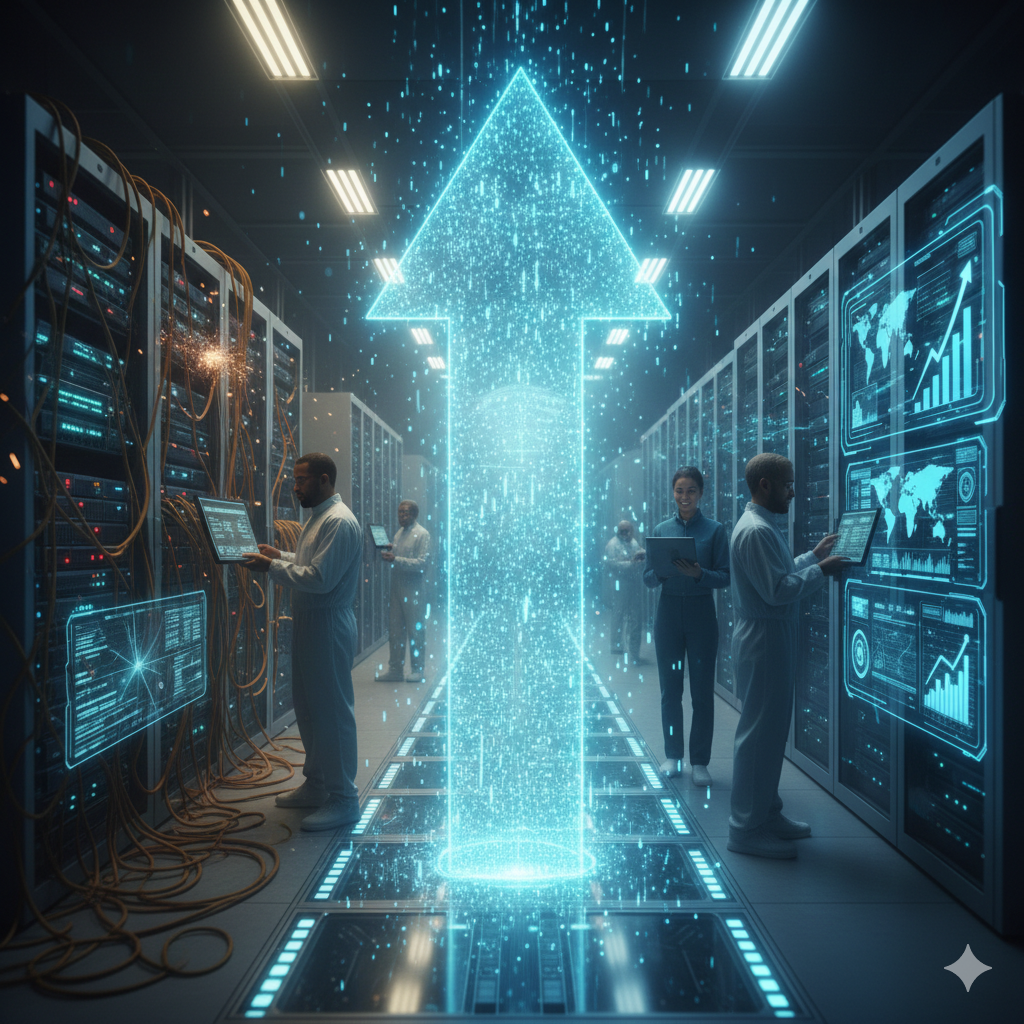

In today’s fast-paced digital economy, technology is no longer just a support function—it is the backbone of nearly every successful business. From daily operations and employee collaboration to customer engagement and data security, your IT infrastructure plays a critical role in how efficiently and competitively your company operates.
Yet, many organizations continue to rely on outdated systems, aging hardware, and legacy software, often because “it still works.” While this approach may seem cost-effective in the short term, it can quietly limit growth, increase risks, and lead to higher expenses over time.
Upgrading your company’s IT infrastructure is not simply an IT decision—it is a strategic business investment. Below, we explore why modernizing your IT environment is essential, what risks come with delaying upgrades, and how a modern infrastructure can future-proof your organization.
Understanding What IT Infrastructure Really Means for Businesses
IT infrastructure refers to the combined set of hardware, software, networks, data centers, and cloud services that enable your business to function. This includes:
- Servers and storage systems
- Networking equipment (routers, switches, firewalls)
- Operating systems and business software
- Cloud platforms and virtualization tools
- Cybersecurity systems and backup solutions
When these components are outdated or poorly integrated, they create inefficiencies that affect productivity, security, and customer satisfaction.
The Hidden Costs of Running on Outdated IT Systems
Many companies underestimate how much legacy IT systems truly cost them. While older infrastructure may appear cheaper because it is already paid for, the hidden expenses add up quickly.
Outdated systems often require frequent maintenance, manual workarounds, and specialized support. Downtime becomes more common, productivity slows, and employees waste valuable time dealing with technical issues rather than focusing on strategic tasks.
In addition, legacy systems typically lack compatibility with modern applications, limiting your ability to adopt new tools that competitors may already be using.
Need Help With Your Marketing or Website?
Not getting enough leads or sales? Get a free consultation and discover how to improve your website and marketing.
- Find out what may be stopping visitors from contacting you
- Discover where your website or marketing could perform better
- Get clear recommendations to improve leads, calls, and conversions
How Upgrading IT Infrastructure Improves Business Productivity
Modern IT infrastructure is designed for speed, automation, and collaboration. Faster servers, cloud-based platforms, and optimized networks allow employees to work more efficiently—whether in the office or remotely.
With upgraded systems, businesses benefit from:
- Faster application performance
- Seamless file sharing and collaboration
- Reduced downtime and system crashes
- Better integration between departments
When technology works smoothly in the background, employees can focus on innovation, customer service, and growth rather than troubleshooting.
Strengthening Cybersecurity Through Modern IT Infrastructure
Cybersecurity threats are evolving rapidly, and outdated infrastructure is one of the biggest vulnerabilities businesses face today. Older systems often lack the latest security patches, encryption standards, and monitoring tools, making them easy targets for cybercriminals.
Upgrading your IT infrastructure allows you to implement modern security frameworks such as:
- Advanced firewalls and intrusion detection systems
- Multi-factor authentication
- Encrypted data storage and transmission
- Automated threat monitoring and response
In a world where data breaches can damage reputation and lead to regulatory penalties, investing in secure infrastructure is no longer optional—it is essential.
Why Scalable IT Infrastructure Is Critical for Business Growth
As your company grows, your technology needs change. Adding employees, expanding to new locations, or launching new digital services requires an IT environment that can scale quickly and efficiently.
Modern IT infrastructure—especially cloud-based solutions—allows businesses to scale resources up or down based on demand. This flexibility prevents overinvestment while ensuring your systems can handle growth without disruption.
Scalable infrastructure supports long-term planning and enables businesses to respond faster to market opportunities.
Supporting Remote and Hybrid Work With Modern IT Systems
The modern workplace is no longer limited to a physical office. Remote and hybrid work models are now standard across many industries, and outdated IT systems struggle to support this shift.
Upgraded infrastructure enables:
- Secure remote access to business systems
- Cloud-based collaboration tools
- Reliable virtual private networks (VPNs)
- Consistent performance across devices and locations
Providing employees with reliable technology improves satisfaction, retention, and overall productivity.
Reducing Downtime and Business Disruptions
System downtime can be extremely costly. Even short outages can result in lost revenue, missed opportunities, and frustrated customers.
Modern IT infrastructure is built with redundancy, failover systems, and proactive monitoring. This means potential issues are identified and resolved before they cause major disruptions.
By upgrading your infrastructure, you minimize unexpected downtime and ensure business continuity even during technical failures or cyber incidents.
Gaining Better Data Insights Through Upgraded IT Systems
Data-driven decision-making is a major competitive advantage. However, outdated IT systems often struggle to collect, process, and analyze data effectively.
Modern infrastructure supports advanced analytics, real-time reporting, and integration with business intelligence tools. This allows leadership teams to gain clearer insights into operations, customer behavior, and financial performance.
With better data visibility, companies can make smarter decisions faster.
Improving Customer Experience With Faster and More Reliable Technology
Customers expect fast, seamless, and secure digital interactions. Whether it’s an online transaction, customer support request, or service delivery, your IT infrastructure directly impacts the customer experience.
Upgraded systems improve website performance, reduce service delays, and ensure reliable access to customer data. This leads to higher satisfaction, stronger trust, and increased customer loyalty.
In competitive markets, superior technology often becomes a key differentiator.
Long-Term Cost Savings of Modern IT Infrastructure
While upgrading IT infrastructure requires upfront investment, it often leads to significant long-term savings. Modern systems are more energy-efficient, require less maintenance, and reduce the need for emergency repairs.
Cloud solutions also allow businesses to move from large capital expenditures to predictable operating costs. This financial flexibility makes budgeting easier and improves overall cost control.
In the long run, modern IT infrastructure is often more affordable than maintaining outdated systems.
Staying Competitive in a Technology-Driven Market
Technology is evolving rapidly, and businesses that fail to keep up risk falling behind. Competitors with modern IT environments can innovate faster, launch new services, and respond more effectively to customer needs.
Upgrading your IT infrastructure ensures your company remains agile and competitive in an increasingly digital marketplace.
Planning a Successful IT Infrastructure Upgrade
A successful upgrade starts with a clear assessment of your current systems and business goals. It is important to identify bottlenecks, security gaps, and scalability limitations before implementing new solutions.
Working with experienced IT professionals can help ensure a smooth transition with minimal disruption. A phased upgrade approach often allows businesses to modernize without interrupting daily operations.
Final Thoughts: Upgrading IT Infrastructure Is a Strategic Business Move
Upgrading your company’s IT infrastructure is not just about replacing old equipment—it is about building a foundation for future success. From improved security and productivity to scalability and cost efficiency, modern IT systems empower businesses to grow confidently in a digital world.
Companies that invest in their technology today position themselves to adapt, innovate, and compete tomorrow. In contrast, those that delay upgrades may find themselves struggling to keep up with evolving demands and rising risks.