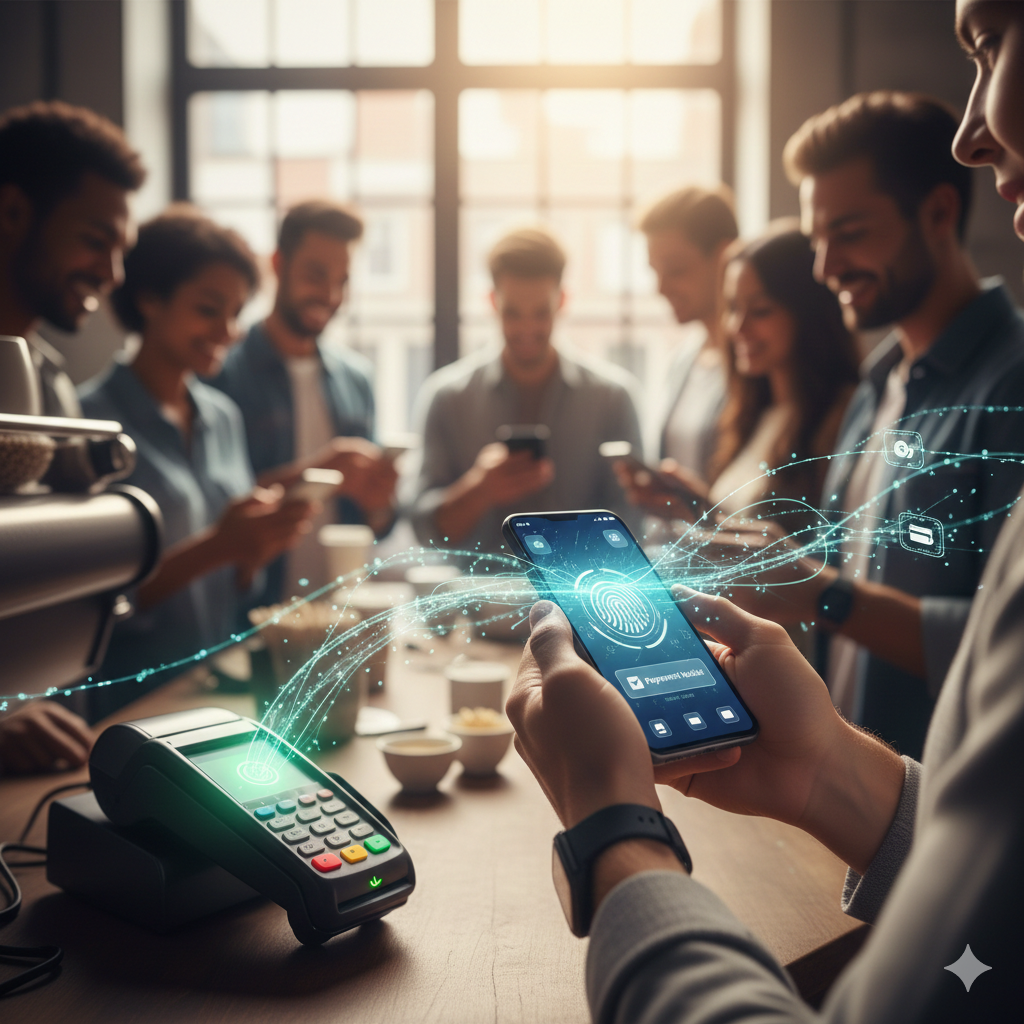

Convenience has become the defining factor in how consumers choose to pay. From ordering groceries online to splitting a dinner bill with friends, people expect payments to be instant, secure, and effortless. This shift has fueled the rapid adoption of digital wallets, transforming them from optional tools into everyday necessities.
Digital wallet integrations are no longer just a “nice-to-have” feature for businesses. They are now a strategic advantage that enhances customer experience, reduces friction, and builds trust. As mobile usage continues to dominate global internet traffic, digital wallets are reshaping how payments are initiated, authorized, and completed.
This article explores how digital wallet integrations improve convenience, why they matter for businesses and consumers alike, and how they are redefining the future of digital transactions.
Understanding Digital Wallet Integrations and How They Work
What Is a Digital Wallet?
A digital wallet is a software-based payment solution that securely stores payment credentials such as debit cards, credit cards, bank account details, and even cryptocurrencies. Popular examples include Apple Pay, Google Wallet, Samsung Pay, PayPal, and regional wallets like PhonePe or Alipay.
Instead of entering payment information manually for every transaction, users can complete purchases with a single tap, click, or biometric authentication.
What Does Digital Wallet Integration Mean?
Digital wallet integration refers to the process of embedding wallet payment options directly into websites, mobile apps, and point-of-sale (POS) systems. Once integrated, customers can pay using their preferred wallet without leaving the checkout flow.
This seamless connection between platforms, payment gateways, and wallets is what drives convenience at scale.
Why Convenience Matters More Than Ever in Digital Payments
Changing Consumer Expectations
Modern consumers value speed. Long checkout processes, forced account creation, or repeated card entries often lead to abandoned carts. Studies consistently show that payment friction directly impacts conversion rates.
Digital wallets eliminate many of these barriers by offering:
- One-click payments
- Automatic form filling
- Fast authorization
Mobile-First Purchasing Behavior
With smartphones becoming the primary shopping device, traditional card-based checkout experiences feel outdated. Digital wallets are optimized for mobile environments, making them a natural fit for today’s on-the-go consumers.
Need Help With Your Marketing or Website?
Not getting enough leads or sales? Get a free consultation and discover how to improve your website and marketing.
- Find out what may be stopping visitors from contacting you
- Discover where your website or marketing could perform better
- Get clear recommendations to improve leads, calls, and conversions
How Digital Wallet Integrations Improve Checkout Speed and Ease
One-Tap and One-Click Payments
One of the biggest advantages of digital wallet integrations is the ability to complete transactions in seconds. Once a wallet is set up, users no longer need to:
- Enter card numbers
- Type billing addresses
- Remember CVV codes
A single tap or biometric scan is often enough to finalize payment.
Reduced Cart Abandonment Rates
Slow or complicated checkout processes are among the top reasons for cart abandonment. Digital wallet integrations streamline the final step of the buyer journey, making it easier for customers to complete purchases without hesitation.
Businesses that integrate popular wallets often see measurable improvements in checkout completion rates.
Enhanced Security Without Sacrificing Convenience
Tokenization and Encrypted Transactions
Digital wallets use advanced security technologies such as tokenization. Instead of sharing actual card details, wallets transmit encrypted tokens during transactions. This significantly reduces the risk of data breaches.
Biometric Authentication for Safer Payments
Many digital wallets rely on fingerprint scans, facial recognition, or device-level authentication. This not only enhances security but also removes the need for passwords or PINs, making payments both safer and faster.
Convenience and security no longer compete—they reinforce each other.
Cross-Platform Compatibility and Omnichannel Convenience
Seamless Payments Across Devices
Digital wallet integrations allow users to start a transaction on one device and complete it on another. Whether shopping on a smartphone, tablet, or desktop, the payment experience remains consistent.
In-Store and Online Payment Unification
Wallets bridge the gap between physical and digital commerce. Customers can use the same wallet:
- Online
- In mobile apps
- At contactless POS terminals
This unified experience increases familiarity and trust.
Improving User Experience Through Personalized Payment Journeys
Faster Repeat Purchases
Returning customers benefit the most from digital wallet integrations. Their payment information is already stored, allowing them to complete purchases almost instantly.
Localization and Currency Convenience
Many digital wallets automatically adjust for:
- Local currencies
- Regional payment preferences
- Language settings
This is particularly valuable for global businesses serving international customers.
Business Benefits of Digital Wallet Integrations
Higher Conversion Rates
A smoother checkout experience translates directly into higher conversions. Customers are more likely to complete purchases when payment feels effortless.
Reduced Operational Complexity
Wallets reduce the need to manage multiple payment forms and manual data handling. Automated processes lead to:
- Fewer payment errors
- Faster settlements
- Lower customer support requests
Competitive Advantage in Crowded Markets
Offering popular digital wallets signals modernity and customer-centric thinking. Businesses that fail to adopt wallet integrations risk appearing outdated.
Digital Wallet Integrations in Subscription and Recurring Payments
Simplified Recurring Billing
Digital wallets are ideal for subscription-based services. Once authorized, recurring payments can be processed automatically without requiring repeated user action.
Fewer Failed Transactions
Because wallets stay updated with the latest card details, businesses experience fewer failed payments due to expired or replaced cards.
The Role of Digital Wallets in Contactless and Cashless Economies
Accelerating Cashless Adoption
Digital wallets support contactless payments, reducing reliance on physical cash. This shift is especially relevant in urban environments and post-pandemic economies.
Faster Transactions in High-Traffic Environments
Retailers, transit systems, and event venues benefit from quicker transaction times, improving customer flow and satisfaction.
Future Trends Shaping Digital Wallet Convenience
Integration With Wearables and IoT Devices
Smartwatches, fitness bands, and even connected cars are becoming payment-enabled. Digital wallet integrations will extend beyond phones and laptops.
AI-Driven Smart Payments
Future wallets may offer predictive payment suggestions, spending insights, and automated budgeting features—further enhancing convenience.
Expansion Into Digital Identity and Loyalty Programs
Wallets are evolving into all-in-one platforms that store IDs, tickets, coupons, and loyalty cards, reducing the need for multiple apps.
Best Practices for Businesses Implementing Digital Wallet Integrations
Choose the Right Wallets for Your Audience
Not all wallets are equally popular in every region. Understanding your target market is key.
Ensure Seamless UX Design
Wallet options should be clearly visible but not overwhelming. A clean, intuitive checkout interface enhances adoption.
Monitor Performance and Optimize Regularly
Track metrics such as:
- Checkout completion rates
- Wallet usage percentages
- Transaction success rates
Use this data to continuously improve the payment experience.
Conclusion: Convenience as a Strategic Payment Advantage
Digital wallet integrations have fundamentally changed how people pay. By removing friction, enhancing security, and supporting mobile-first behavior, they deliver the convenience modern consumers expect.
For businesses, integrating digital wallets is not just about keeping up with trends—it’s about creating faster, safer, and more satisfying customer journeys. As payment technologies continue to evolve, convenience will remain the cornerstone of successful digital commerce.