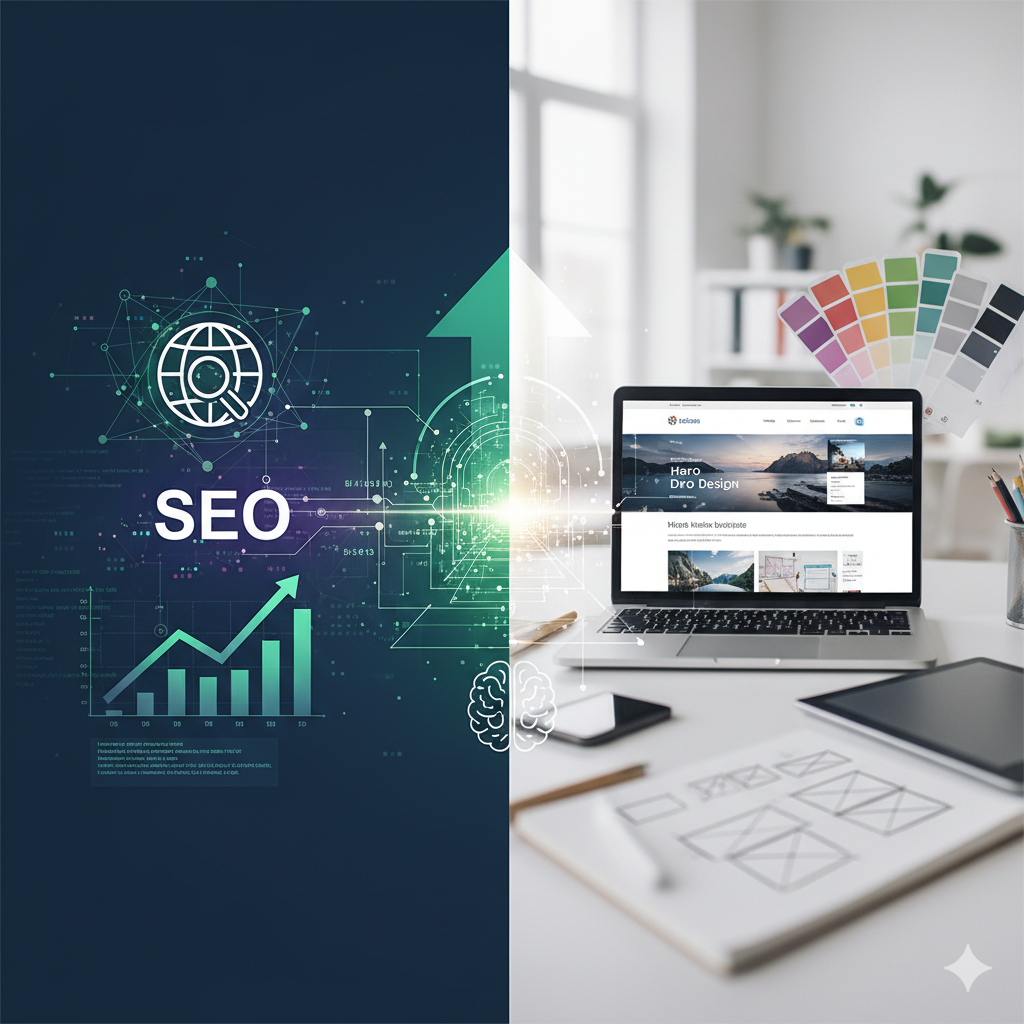

In the digital world, creating a visually appealing website is no longer enough. If your website looks fantastic but fails to attract traffic or convert visitors, it’s not fulfilling its purpose. That’s where the synergy between SEO (Search Engine Optimization) and web design comes into play. When done correctly, integrating SEO principles with web design can significantly enhance your online visibility, user experience, and overall business growth.
In this guide, we will explore the ways SEO and web design work together, why this integration is critical, and how you can leverage it to create a high-performing website.
The Connection Between SEO and Web Design
At first glance, SEO and web design might seem like two separate entities. SEO focuses on improving your website’s visibility on search engines, while web design focuses on creating an attractive and user-friendly interface. However, these two elements are intrinsically linked.
For example:
- A well-structured website improves crawlability for search engines.
- Fast-loading, mobile-friendly websites improve user engagement metrics, which directly impact SEO rankings.
- Clear navigation and optimized page layouts make it easier for both users and search engines to find valuable content.
When SEO and web design work hand-in-hand, your website becomes not just visually appealing but also strategically built for performance.
Why Integrating SEO and Web Design is Essential
1. Enhances User Experience (UX)
Search engines prioritize user experience. A website that is visually attractive but confusing to navigate will have high bounce rates. By integrating SEO-friendly design elements—such as intuitive navigation, internal linking, and clear call-to-actions—you can keep users engaged and improve rankings.
2. Improves Website Loading Speed
Web design elements like high-resolution images, animations, or complex scripts can slow down your website. Slow websites hurt both UX and SEO rankings. Optimizing images, using lightweight frameworks, and minimizing unnecessary scripts ensures a faster, SEO-friendly website.
3. Mobile Optimization Matters
Over 60% of web traffic comes from mobile devices. Mobile-responsive web design not only improves user experience but also aligns with Google’s mobile-first indexing. A seamless mobile experience is critical for higher search rankings.
4. Boosts Conversion Rates
Good web design guides users toward desired actions. When combined with SEO strategies like targeting the right keywords and creating optimized landing pages, this increases lead generation and conversions.
Need Help With Your Marketing or Website?
Not getting enough leads or sales? Get a free consultation and discover how to improve your website and marketing.
- Find out what may be stopping visitors from contacting you
- Discover where your website or marketing could perform better
- Get clear recommendations to improve leads, calls, and conversions
Key SEO Elements Influenced by Web Design
Web design decisions have a direct impact on various SEO components. Understanding these elements can help you create a website that ranks well and engages visitors.
1. Site Architecture and URL Structure
A clean and organized site architecture makes it easier for search engines to crawl your website. Avoid cluttered menus, deep page hierarchies, and confusing URLs. Clear URLs with targeted keywords also improve your SEO.
2. Header Tags and Content Layout
Web design affects how content is displayed. Proper use of H1, H2, and H3 tags ensures search engines can understand your content hierarchy. This also improves readability for users, increasing time spent on site.
3. Image Optimization
Images enhance design, but large, unoptimized files can slow down your site. Optimize images by compressing files, using descriptive alt text, and implementing responsive image sizes.
4. Mobile Responsiveness
Designing a mobile-friendly site is a core SEO requirement. Responsive design ensures that your website adjusts to various screen sizes, enhancing usability and search rankings.
5. Internal Linking
Strategic internal linking guides users and search engines to your most important pages. Web designers can place internal links contextually within menus, footers, and body content to enhance SEO.
6. Page Speed Optimization
Design choices affect loading time. Lightweight designs, minimal use of animations, and optimized coding practices contribute to faster page speed—a crucial ranking factor.
Best Practices to Merge SEO and Web Design
To maximize the benefits of integrating SEO with web design, follow these professional tips:
1. Prioritize User-Centric Design
Your website should focus on what users want and need. Easy navigation, readable fonts, intuitive layouts, and clear CTAs help retain visitors while boosting SEO performance.
2. Conduct Keyword Research Early
Incorporate keyword research into the design phase. Ensure that headings, menus, URLs, and meta tags reflect relevant long-tail keywords.
3. Optimize Navigation for Both Users and Search Engines
Design a logical menu structure and internal linking system. This not only improves UX but also helps search engines crawl your site efficiently.
4. Make Your Website Mobile-First
Design for mobile devices first, then scale up for desktop. Mobile-first design ensures a smooth experience on all devices while complying with SEO best practices.
5. Use Schema Markup
Incorporating structured data in your web design helps search engines understand your content better, potentially leading to rich snippets in search results.
6. Optimize for Speed
Minimize large images, leverage caching, and reduce JavaScript-heavy elements. Fast-loading websites improve user engagement and SEO rankings.
7. Focus on Content Readability
Design content sections with proper headings, bullet points, and spacing. This improves readability, reduces bounce rates, and enhances SEO.
8. Test and Iterate
Regularly test your website’s performance using tools like Google PageSpeed Insights, Lighthouse, and GTmetrix. Continuous improvements keep your site optimized.
Examples of SEO-Friendly Web Design
- Minimalist Layouts: Clean layouts improve readability and speed.
- Sticky Navigation: Helps users explore multiple pages easily.
- Responsive Images: Ensure optimal display on all devices.
- Fast-Loading Animations: Subtle effects that do not affect performance.
- Readable Typography: Clear fonts increase engagement and SEO metrics.
These examples illustrate how design and SEO are not opposing forces but complementary components that together drive website success.
Measuring the Impact of SEO and Web Design Integration
To ensure your efforts are paying off, track the following metrics:
- Organic Traffic: Measures the effectiveness of your SEO strategy.
- Bounce Rate: Indicates if users find your design and content engaging.
- Page Load Time: Directly affects user satisfaction and search ranking.
- Conversion Rate: Demonstrates how well your design encourages user actions.
- Mobile Usability: Evaluates mobile-friendliness and responsiveness.
Regular monitoring allows you to identify areas for improvement, keeping your website competitive in search results.
Conclusion
The days of prioritizing either SEO or web design independently are over. For a website to truly succeed, it must combine SEO best practices with intuitive web design. Together, they improve user experience, increase search engine visibility, and boost conversions.
Businesses that understand this integration gain a competitive advantage, as their websites are not only visually appealing but also strategically optimized for performance. By focusing on user-centric design, mobile responsiveness, fast loading speeds, and optimized content, you can create a website that delights visitors and dominates search rankings.
Invest in the synergy of SEO and web design today, and your website will become a powerful asset that drives growth and delivers measurable results.