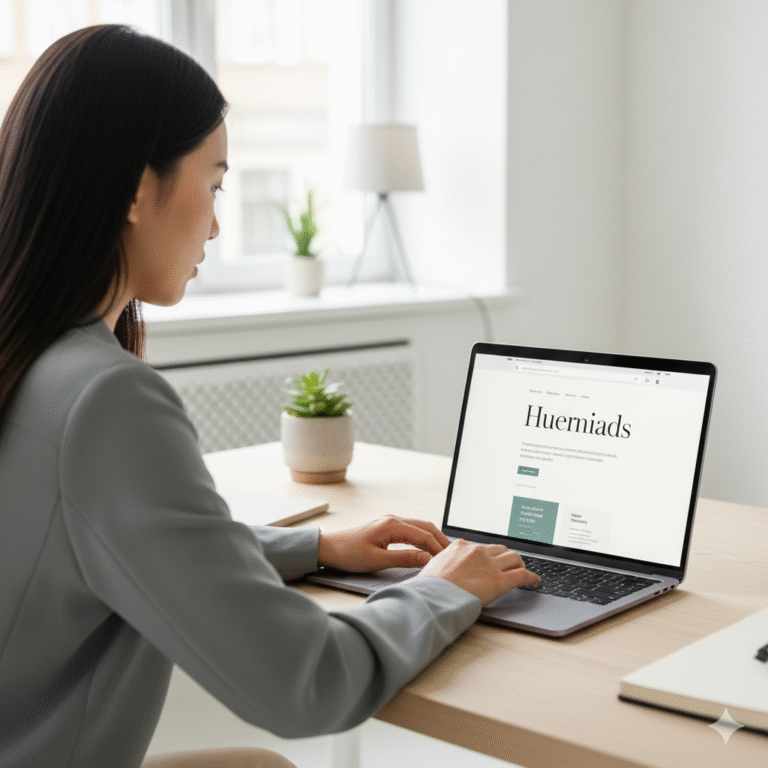


In the fast-paced digital world, a website isn’t just a collection of pages—it’s a carefully crafted experience designed to influence human behavior. Behind every button clicked, every scroll, and every conversion, there’s psychology at play. Understanding how users perceive, interpret, and interact with web design is crucial for businesses, designers, and marketers alike. In this blog, we’ll explore the psychology of web design, uncovering the principles that make people click, stay, and convert.
1. The Science Behind User Behavior
Humans are inherently visual creatures. Our brains process images 60,000 times faster than text, which means design decisions can profoundly affect how a user engages with your website. Web design psychology focuses on cognitive principles like attention, memory, perception, and decision-making, leveraging them to optimize user experience (UX) and conversions.
Key Points:
- Users scan websites rather than read every word.
- Colors, shapes, and layout guide attention.
- Emotional triggers can enhance engagement.
2. First Impressions Matter: The 50-Millisecond Rule
Studies suggest that users form an opinion about your website in as little as 50 milliseconds. That’s faster than a blink of an eye. This rapid judgment is influenced by design elements such as color schemes, typography, and layout balance. If your site doesn’t make a positive impact instantly, users are likely to leave—even before reading your content.
Practical Tips:
- Use clean, modern design with whitespace for readability.
- Highlight your brand identity visually.
- Ensure fast-loading pages to retain attention.
Need Help With Your Marketing or Website?
Not getting enough leads or sales? Get a free consultation and discover how to improve your website and marketing.
- Find out what may be stopping visitors from contacting you
- Discover where your website or marketing could perform better
- Get clear recommendations to improve leads, calls, and conversions
3. Color Psychology in Web Design
Color is more than aesthetics—it triggers emotions and actions. For instance, red can create urgency, making it effective for call-to-action (CTA) buttons, while blue conveys trustworthiness, ideal for professional services.
Tips for Using Color:
- Limit primary colors to 2-3 to avoid overwhelming users.
- Use contrast to make CTAs stand out.
- Test color schemes for different audience segments.
4. The Power of Visual Hierarchy
Visual hierarchy guides the eye to important elements first. By strategically arranging elements, designers can direct attention, increase readability, and influence clicks. Larger, bolder, or brightly colored elements naturally draw the eye, while subtle designs indicate secondary information.
Example:
- Headlines should be prominent and readable.
- CTAs must be noticeable without being intrusive.
- Important content should appear above the fold.
5. Cognitive Load and Simplicity
A cluttered website overwhelms users, leading to decision fatigue and high bounce rates. Cognitive load theory explains that humans can only process a limited amount of information at once. Simplifying navigation, reducing choices, and focusing on essential content enhances usability and encourages clicks.
Strategies:
- Use clear navigation menus.
- Break content into digestible chunks.
- Avoid unnecessary pop-ups or distractions.
6. Trust Signals and Credibility
Users make snap judgments about your credibility online. Trust signals—like reviews, testimonials, secure badges, and professional design—can drastically improve engagement and conversions.
Important Elements:
- Customer reviews and case studies.
- Clear contact information and transparent policies.
- Secure payment or SSL certificates.
7. The Role of Typography
Typography influences readability and user perception. Fonts that are too small, ornate, or inconsistent can frustrate users, reducing engagement. Legible fonts, consistent styles, and strategic use of bolding or italics guide attention and create a professional impression.
Tips:
- Stick to 2-3 complementary fonts.
- Ensure font sizes are readable across devices.
- Use typographic hierarchy for headings and subheadings.
8. The Psychology of Clickable Elements
CTAs are the lifeblood of conversions. Users are more likely to click buttons that are visually distinct, action-oriented, and placed strategically. Words matter too—verbs like “Get,” “Download,” “Start,” and “Discover” can increase engagement.
Best Practices:
- Use high-contrast colors for CTAs.
- Place buttons above the fold and at natural pauses in content.
- Use microcopy to reduce hesitation, e.g., “No credit card required.”
9. The Impact of Images and Videos
Humans are wired to respond to visuals. High-quality images and videos increase retention, enhance trust, and boost engagement. Faces in images can foster emotional connections, while explainer videos can simplify complex concepts.
Tips for Visual Content:
- Use authentic, relatable images rather than stock clichés.
- Incorporate videos for product demos or tutorials.
- Optimize media for fast loading to prevent abandonment.
10. White Space and Minimalism
White space is a powerful tool that improves readability, reduces cognitive load, and emphasizes key elements. Minimalistic design doesn’t mean empty—it means strategically uncluttered.
Benefits:
- Highlights CTAs and important content.
- Improves overall aesthetics.
- Reduces user distraction and encourages engagement.
11. F-Shaped Reading Pattern
Eye-tracking studies reveal that users often read in an F-shaped pattern, scanning the top and left side of the page more heavily. Placing critical content along these paths can increase visibility and clicks.
Implementation:
- Headlines and bullet points on the left.
- Important CTAs near the top.
- Images on the right to complement text scanning.
12. The Scarcity Principle
Humans value things that are scarce or time-limited. Implementing scarcity tactics like limited-time offers or low-stock alerts can trigger fear of missing out (FOMO) and increase clicks.
Examples:
- Countdown timers on promotions.
- “Only 3 items left in stock” messages.
- Limited enrollment for courses or events.
13. Personalization Increases Engagement
Tailoring experiences to individual users can dramatically improve engagement. Personalized content, recommendations, and offers make users feel understood and valued, increasing the likelihood of clicks and conversions.
Methods:
- Personalized product recommendations.
- Dynamic content based on user behavior.
- Personalized email campaigns linking to tailored pages.
14. Consistency Builds Trust
Consistency in design—colors, fonts, button styles, and tone of voice—reduces friction and builds credibility. When users know what to expect, they are more likely to engage and click through your site confidently.
15. Emotional Triggers in Web Design
Emotions drive decisions. Using emotional triggers like excitement, urgency, curiosity, or trust can significantly influence user behavior. Storytelling, authentic visuals, and persuasive copy can evoke these emotions.
Example:
- Use relatable user stories or testimonials.
- Highlight problem-solution scenarios in visuals.
- Create a sense of belonging or community.
16. Microinteractions Enhance UX
Small interactive elements like hover effects, animations, or feedback after clicks make the experience engaging and intuitive. These subtle cues guide users and encourage continued interaction.
Tips:
- Use hover effects on buttons to indicate clickability.
- Provide visual feedback after form submissions.
- Animate elements to draw attention subtly.
17. Mobile-First Design Psychology
With the majority of users accessing websites via mobile, mobile-first design isn’t optional—it’s essential. Mobile-friendly sites require simplified layouts, prominent CTAs, and fast-loading pages.
Key Considerations:
- Touch-friendly buttons.
- Minimal scrolling for essential content.
- Optimized images and media for mobile speed.
18. The Role of Social Proof
Humans follow the herd. Social proof like reviews, testimonials, and user counts instills confidence and encourages action. Displaying real feedback can significantly increase clicks and conversions.
19. Speed and Cognitive Friction
Slow websites frustrate users and increase abandonment. Even a 1-second delay can reduce conversions by 7%. Optimizing site speed reduces cognitive friction and encourages clicks.
Optimization Tips:
- Compress images and media.
- Use browser caching.
- Minimize unnecessary scripts.
20. Testing and Continuous Improvement
The psychology of web design is not one-size-fits-all. Continuous testing through A/B experiments, heatmaps, and analytics ensures that your design aligns with user behavior and maximizes clicks.
Testing Examples:
- Test CTA colors, positions, and copy.
- Experiment with different layouts and visuals.
- Monitor user behavior using heatmaps and analytics.
Conclusion
Web design is much more than aesthetics. It’s a blend of art, science, and psychology aimed at guiding human behavior. By understanding how users perceive, process, and interact with your website, you can create experiences that not only attract attention but also drive action. From color psychology and visual hierarchy to trust signals and emotional triggers, every design choice matters. Implement these principles thoughtfully, and you’ll see higher engagement, more clicks, and improved conversions.